
Loading, please wait...
LOT 2030
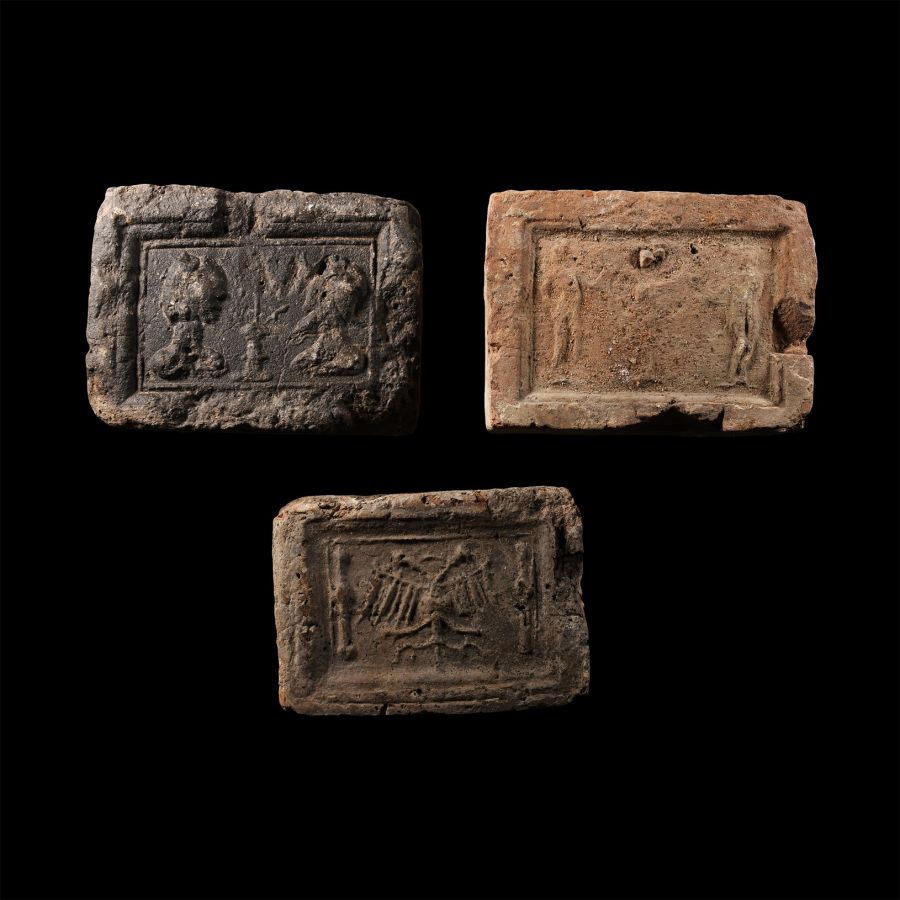
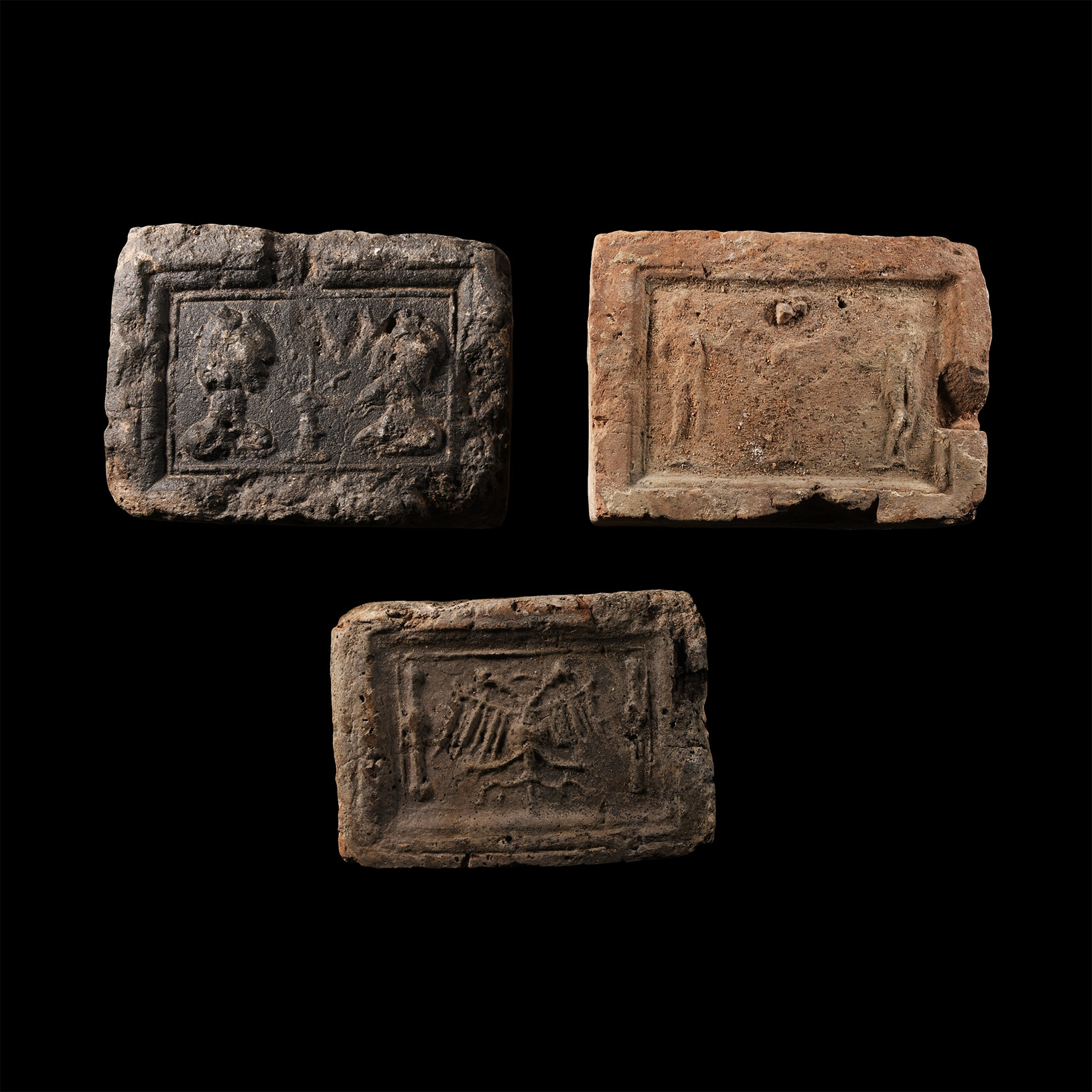
Elizabethan Period Ceramic Fire Brick Group
CIRCA 16TH CENTURY A.D.
5 1/4 - 5 1/2 in. (5.2 kg total, 13.5-14 cm).
Each differently sized and displaying a design in relief, including a double-headed eagle with spread wings (a charge associated with Empire), facing busts and a second worn, figural scene. [3]
ProvenanceAcquired 1990s-early 2000s.
East Anglian private collection.
TimeLine Auctions follows a vetting process to ensure the authenticity and legality of all items, reinforcing our commitment to integrity and responsible trading. Each antiquity, antique, and coin lot undergoes thorough examination by a vetting committee of at least ten external specialists, professional trade association members, scientists, and archaeologists: Our Vetting Process
AUCTIONS:
TimeLine is a leading auction house specialising in antiquities, ancient art, collectables, natural history, coins, medals, and books. Our auctions offer museums, collectors, historians, and enthusiasts the opportunity to acquire unique and historically significant pieces.
LOT 2030
Elizabethan Period Ceramic Fire Brick Group
Estimate £120 - 170€140 - 200 (for guidance only)$160 - 230 (for guidance only)
-
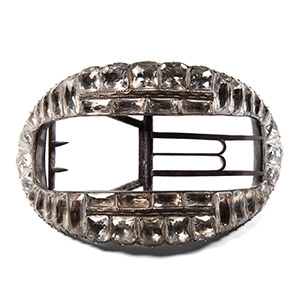
Georgian Jewelled White Metal Shoe Buckle
18th-early 19th century A.D.Sold for (Inc. bp): £4
Composed of a domed elliptical body, likely silver plate, displaying cut paste. 49.6 grams, 73 mm
Acquired 1960s-1990s. From the late Alison Barker collection, a retired London barrister. -
Post Medieval Glazed Ceramic Tile Group
17th-18th century A.D.Estimate: £100 - 140 (+bp*)
Opening Bid: £40
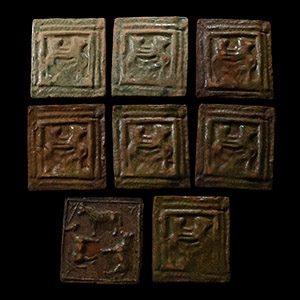
Comprising two designs in relief including three horses in an enclosure and two animals, likely cats, fighting; coloured glazes. 1.34 kg total, 9 x 10 - 9.5 x 10.5 cm
Acquired 1990s-early 2000s. East Anglian private collection. -
Copper-Alloy Finds Group in Trade Case
20th century A.D. and earlierSold for (Inc. bp): £208
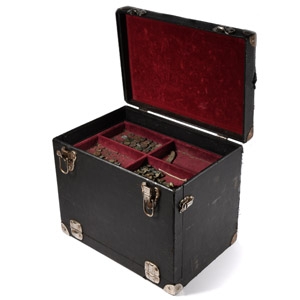
Abafil trade box with seven velvet trays, five including lead spindle whorls and weights and other metal detecting finds, fire strikers, shark’s teeth, Bronze Age bracelet, various coins, and some reproductions. 8.5 kg total, 35 x 29 x 24 cm including case
Acquired 1990s-early 2000s. East Anglian private collection.
