
Loading, please wait...
LOT 0302
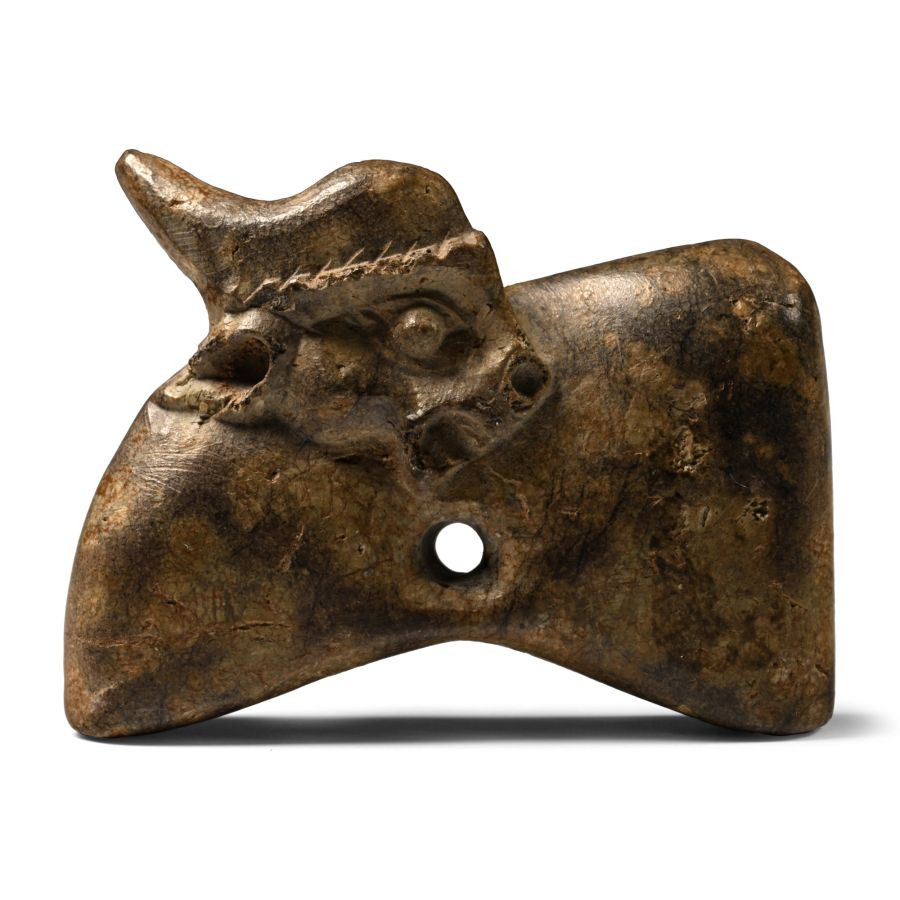
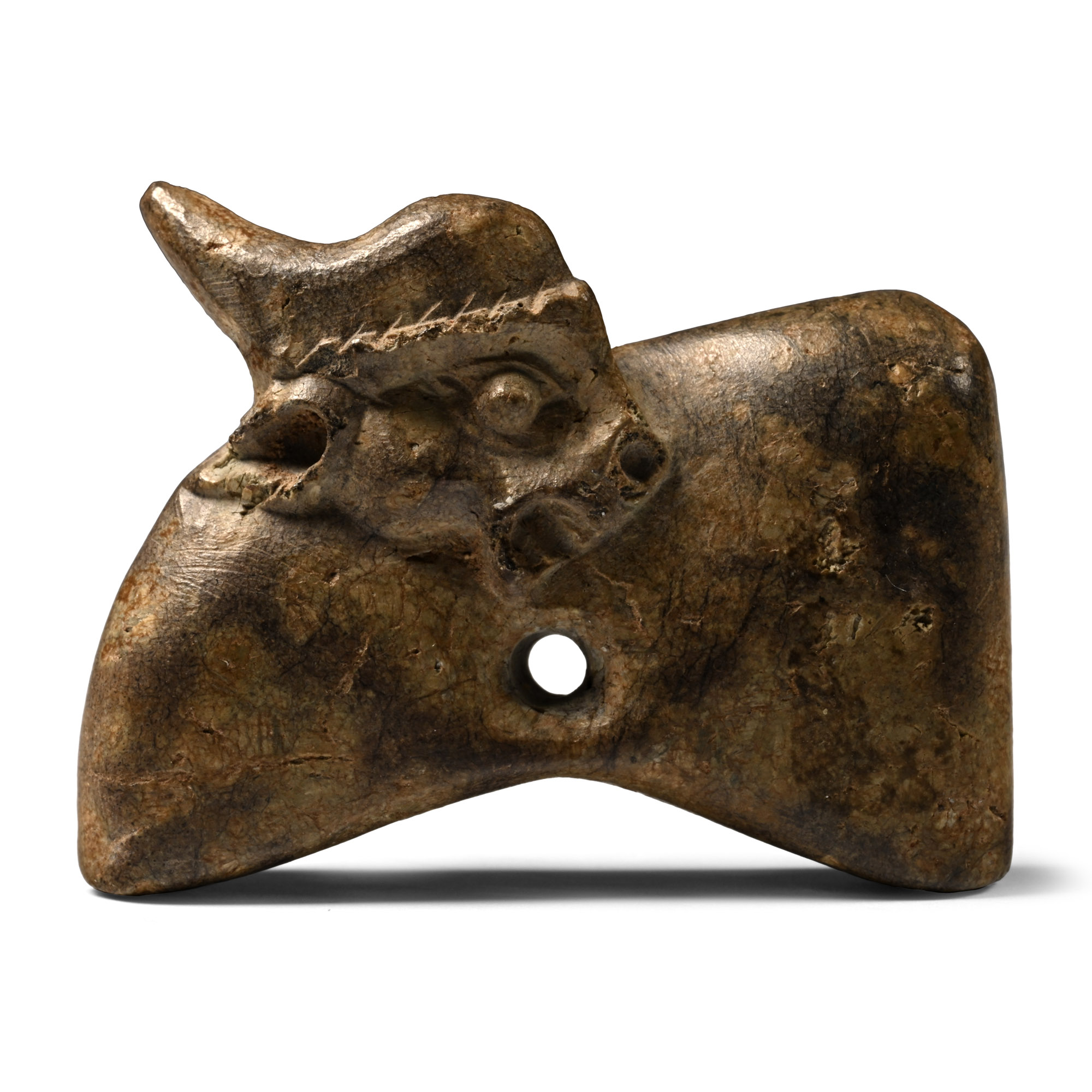
Elamite Stone Recumbent Bull Pendant
2ND-1ST MILLENNIUM B.C.
2 in. (37.3 grams, 50 mm).
Carved with detailed regardant head; pierced for suspension.
Provenancewith a London, UK gallery 1971-early 2000s.
Private collection, London, UK.
This lot has been cleared against the Art Loss Register database, and is accompanied by an illustrated lot declaration signed by the Head of the Antiquities Department, Dr Raffaele D'Amato.
TimeLine Auctions follows a vetting process to ensure the authenticity and legality of all items, reinforcing our commitment to integrity and responsible trading. Each antiquity, antique, and coin lot undergoes thorough examination by a vetting committee of at least ten external specialists, professional trade association members, scientists, and archaeologists: Our Vetting Process
AUCTIONS:
TimeLine is a leading auction house specialising in antiquities, ancient art, collectables, natural history, coins, medals, and books. Our auctions offer museums, collectors, historians, and enthusiasts the opportunity to acquire unique and historically significant pieces.
-
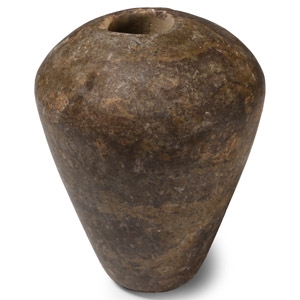
Western Asiatic Stone Macehead
3rd-2nd millennium B.C.Estimate: £100 - 140 (+bp*)
Opening Bid: £50
Piriform with vertical socket expanding towards the narrower end. 385 grams, 84 mm
From a West London, UK, collection, 1980-1990s. This lot has been cleared against the Art Loss Register database, and is accompanied by an illustrated lot declaration signed by the Head of the Antiquities Department, Dr Raffaele D'Amato. -
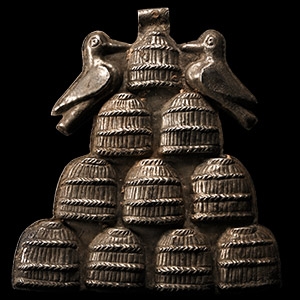
Large Elamite Silver Pendant with Birds
2nd millennium B.C.Estimate: £1,000 - 1,400 (+bp*)
Opening Bid: £500
Sheet-silver triangular plaque formed as a stack of containers with securing ropes, two oppose birds at the shoulder, loop to reverse. 35 grams, 11 cm
UK private collection before 2000. Acquired on the UK art market. Private collection, London. This lot has been cleared against the Art Loss Register database, and is accompanied by an illustrated lot declaration signed by the Head of the Antiquities Department, Dr Raffaele D'Amato. -
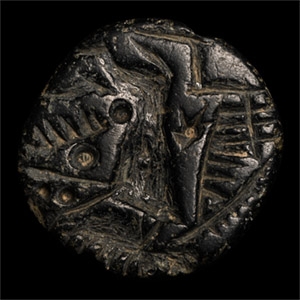
Anatolian Steatite Seal with Bird
3rd millennium B.C.Estimate: £300 - 400 (‡+bp*)
Opening Bid: £135
Plano-convex in profile with a lightly inscribed antique legend to domed face (including Arabic name and numeral '1298'); underside with reserved figure of a bird with wings spread. 28.7 grams, 36.5 mm
With Artemis Gallery, Munich, 1980s. Acquired from Artemis Gallery, November 1992. European private collection. This lot has been cleared against the Art Loss Register database, and is accompanied by an illustrated lot declaration signed by the Head of the Antiquities Department, Dr Raffaele D'Amato.
