
Loading, please wait...
LOT 1271
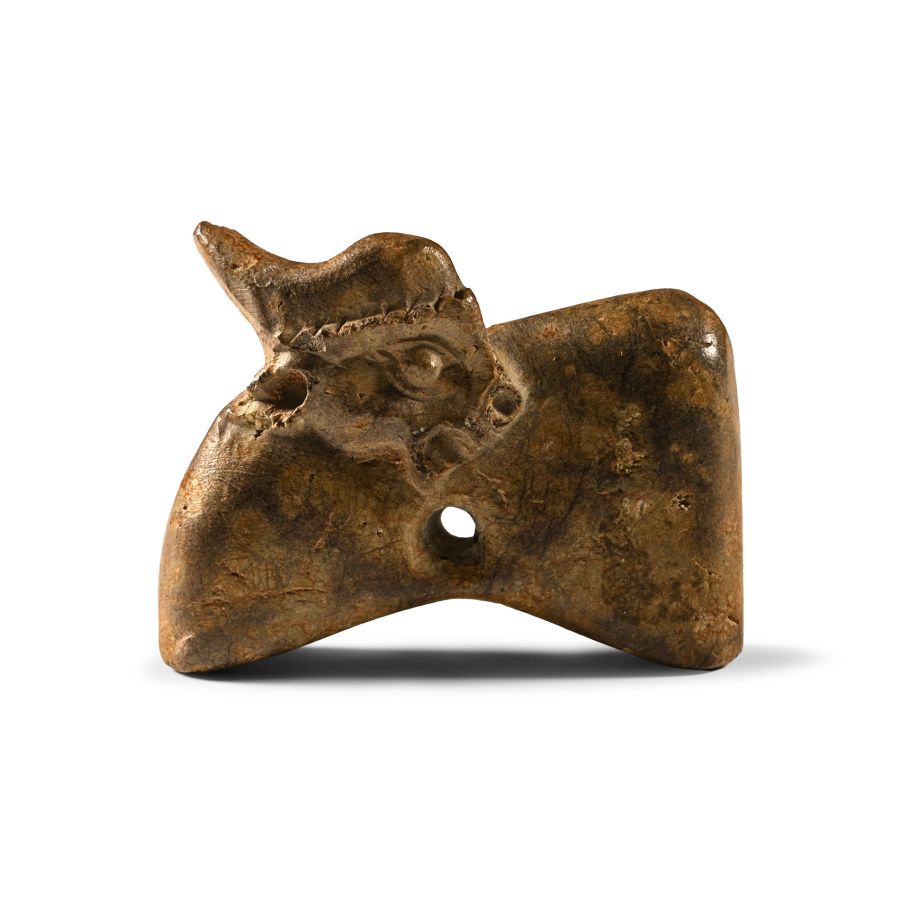
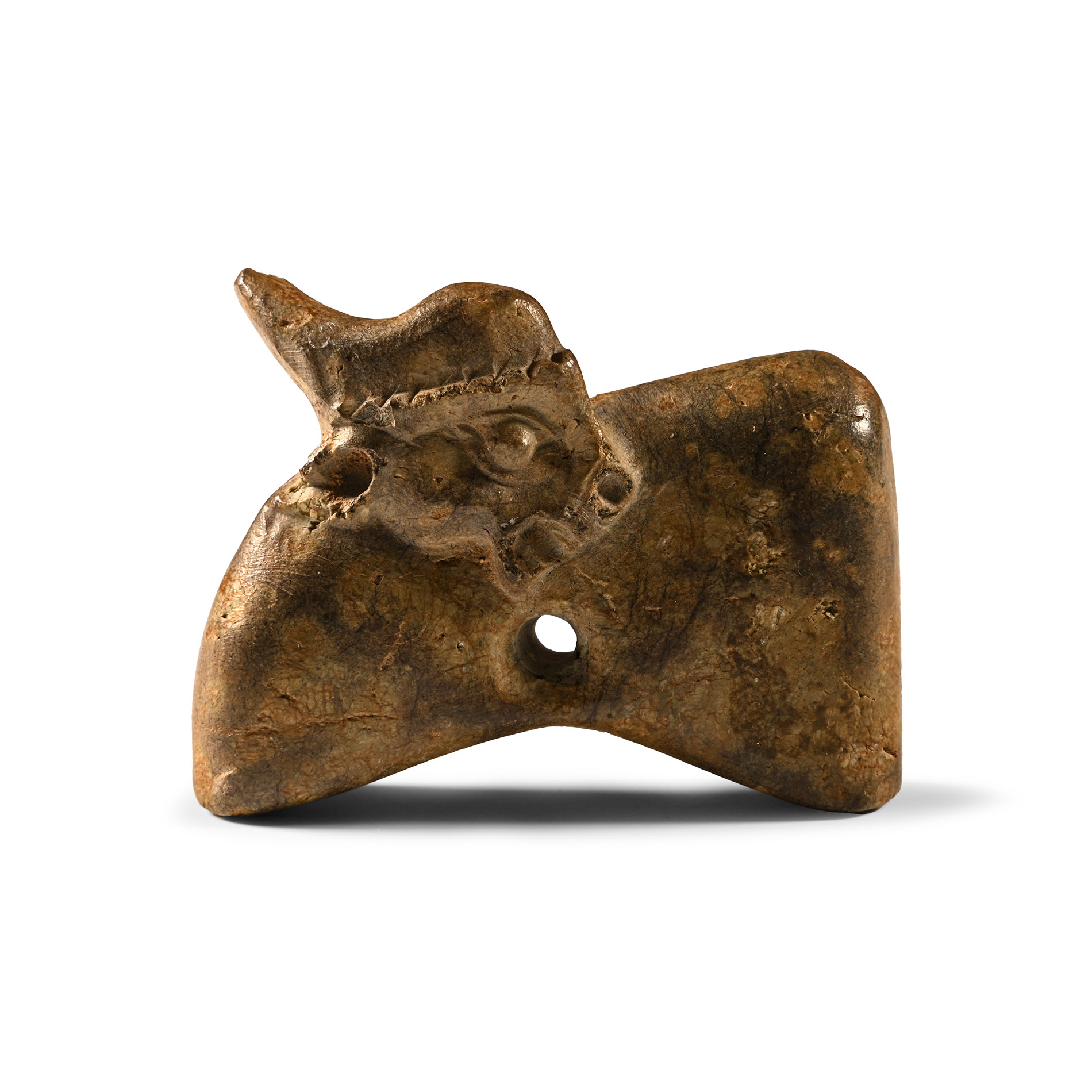
Elamite Recumbent Bull Pendant
1ST MILLENNIUM B.C.
2 in. (38 grams, 50 mm).
Carved in the round with D-shaped body, head reversed with open mouth and domed eye, pierced at the chest.
Provenancewith a London, UK gallery, 1971-early 2000s.
CONDITIONTimeLine Auctions follows a vetting process to ensure the authenticity and legality of all items, reinforcing our commitment to integrity and responsible trading. Each antiquity, antique, and coin lot undergoes thorough examination by a vetting committee of at least ten external specialists, professional trade association members, scientists, and archaeologists: Our Vetting Process
AUCTIONS:
TimeLine is a leading auction house specialising in antiquities, ancient art, collectables, natural history, coins, medals, and books. Our auctions offer museums, collectors, historians, and enthusiasts the opportunity to acquire unique and historically significant pieces.
LOT 1271
Elamite Recumbent Bull Pendant
Estimate £400 - 600€460 - 700 (for guidance only)$540 - 810 (for guidance only)
-
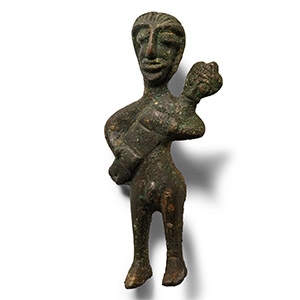
Amlash Bronze Mother and Child Amulet
1st millennium B.C.Sold for (Inc. bp): £312
Figurine with large piriform head, standing nude holding a baby across her chest; with keeled nose and bulbous eyes, exaggerated lentoid mouth; the baby wrapped in covering, with pellet eyes; loop to rear of head. 29.9 grams, 61 mm
UK private collection before 2000. Acquired on the UK art market. Property of a London gentleman. -
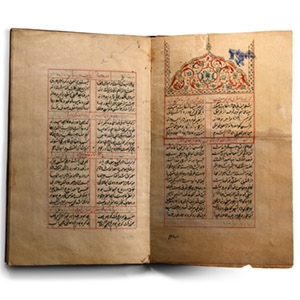
Islamic Leather Bound Manuscript, Allibab al Maenari by the Philosopher Hussain bin Ali Al-Kashif Al-Baihaqi
18th century A.D.Estimate: £1,000 - 1,400 (+bp*)
Opening Bid: £500
Rebound as a hardback with full leather binding, central arabesque foliage panel to covers; 16 laid-paper page; title page with rectangular-red-ink frame and title blocks and panels of naskh text below a triangular panel of scrolled foliage ornament; text pages with red-framed rectangular blocks of black-ink text with red headers, occasional marginal notation, disc stamps to first and last pages. 171 grams, 14 x 23 cm
From an important family collection started in the late 1950s. Property of a West London, UK, gentleman.
The text is the Book of Allibab al Maenari on Philosophy by the Philosopher Hussain bin Ali Al-Kashif Al-Baihaqi; once the property of Judge Ahmed Nazif in Belgrade in the 18th century A.D. -
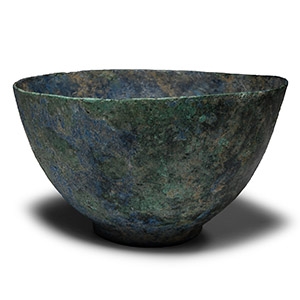
Luristan Bronze Cup
13th-7th century B.C.Sold for (Inc. bp): £247
Hemispherical in profile with broad discoid foot; raised from a single bronze sheet. 184 grams, 12 cm diameter
Ex London, UK, gallery, 1971-early 2000s. Property of a London gentleman.
