
Loading, please wait...
LOT 0245
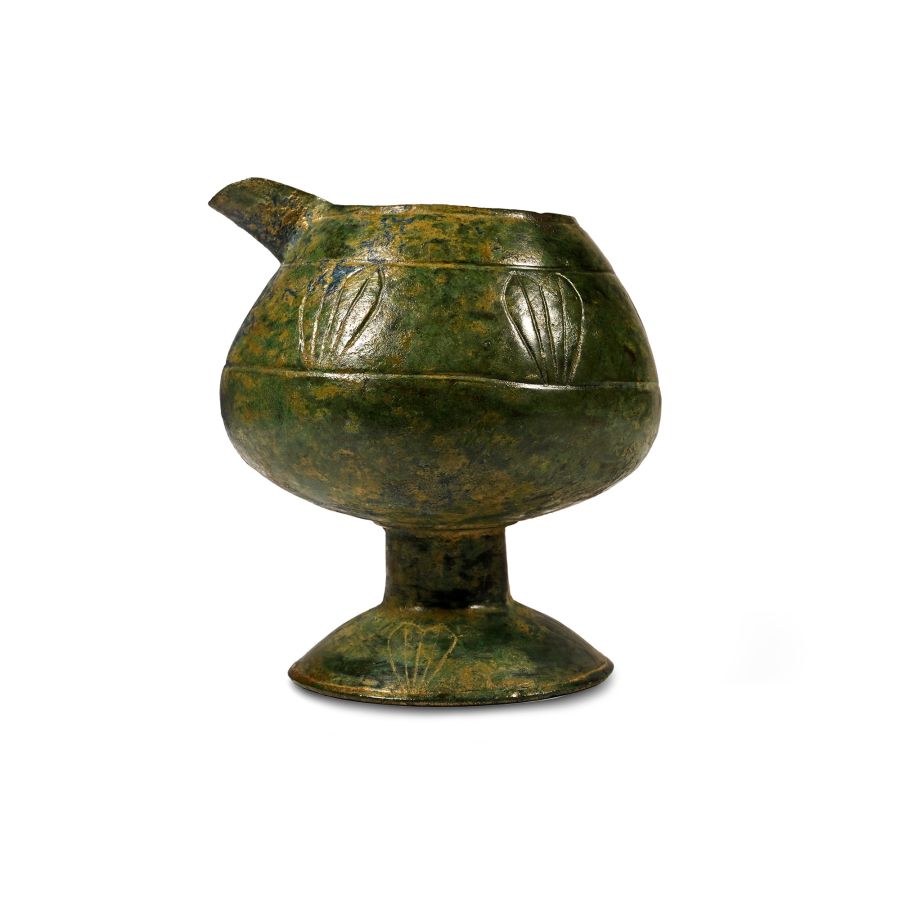
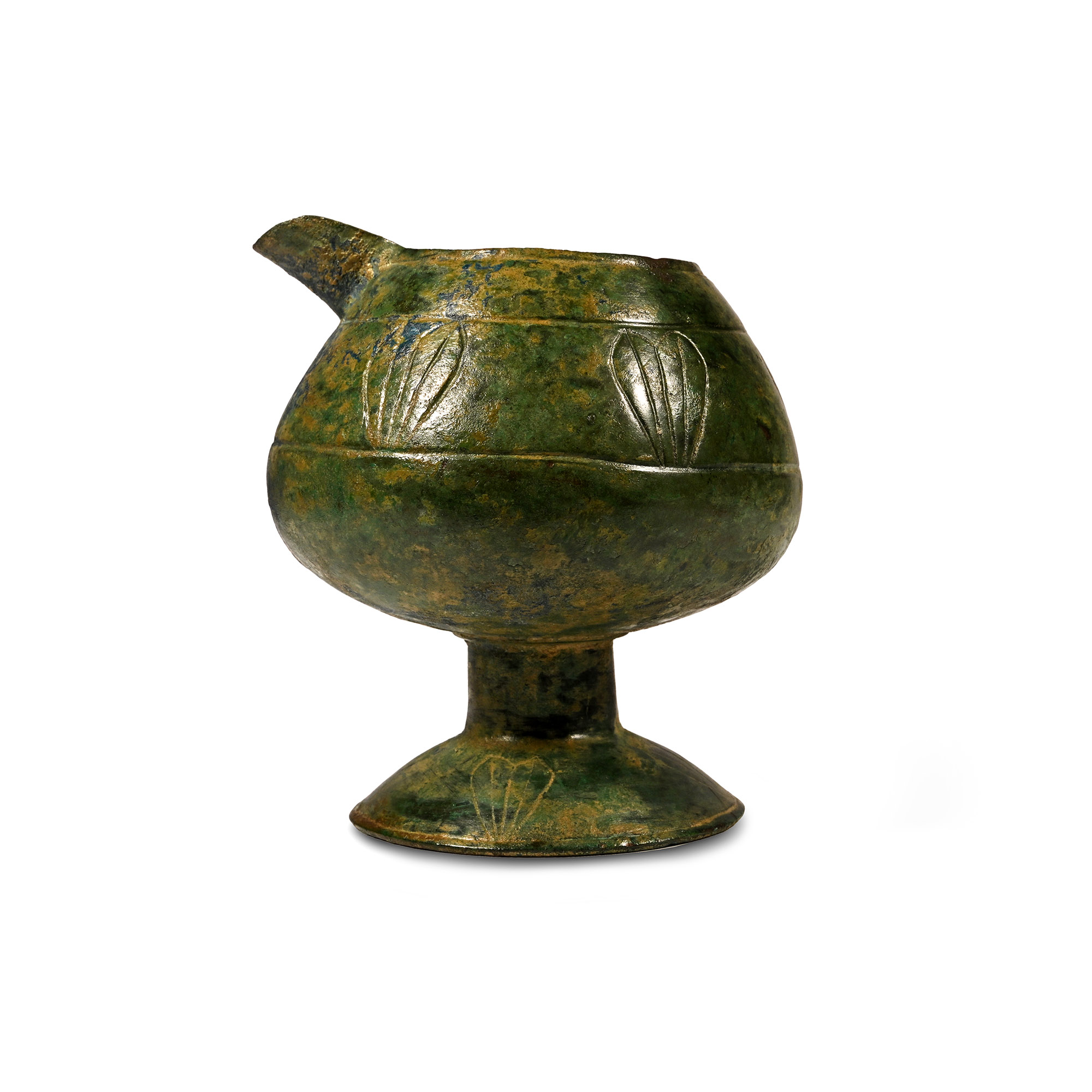
Elamite Bronze Vessel with Spout
LATE 2ND-EARLY 1ST MILLENNIUM B.C.
5 1/2 in. (369 grams, 14 cm high).
With squat bowl, narrow stem and flared base, incised band to the shoulder with tulip motifs; narrow spout to the rim.
ProvenanceAcquired before 1983.
Ex London gallery, 1990s.
This lot has been checked against the Interpol Database of stolen works of art and is accompanied by a search certificate number no.12694-236253.
This lot has been cleared against the Art Loss Register database, and is accompanied by an illustrated lot declaration signed by the Head of the Antiquities Department, Dr Raffaele D'Amato.
TimeLine Auctions follows a vetting process to ensure the authenticity and legality of all items, reinforcing our commitment to integrity and responsible trading. Each antiquity, antique, and coin lot undergoes thorough examination by a vetting committee of at least ten external specialists, professional trade association members, scientists, and archaeologists: Our Vetting Process
AUCTIONS:
TimeLine is a leading auction house specialising in antiquities, ancient art, collectables, natural history, coins, medals, and books. Our auctions offer museums, collectors, historians, and enthusiasts the opportunity to acquire unique and historically significant pieces.
LOT 0245
Elamite Bronze Vessel with Spout
Estimate £2,000 - 3,000€2,320 - 3,480 (for guidance only)$2,700 - 4,050 (for guidance only)
-
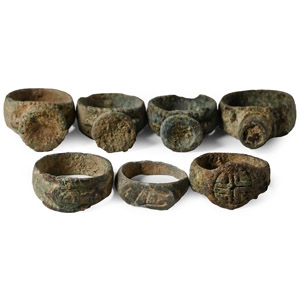
Western Asiatic Bronze Ring Group
Late 1st millennium B.C.Sold for (Inc. bp): £104
Including barrel-shaped and other types with flat bezel, trumpet-bezel and other types. 47 grams total, 22 - 24 mm
Acquired in the 1990s. Ex Abelita family collection. This lot has been cleared against the Art Loss Register database, and is accompanied by an illustrated lot declaration signed by the Head of the Antiquities Department, Dr Raffaele D'Amato. -
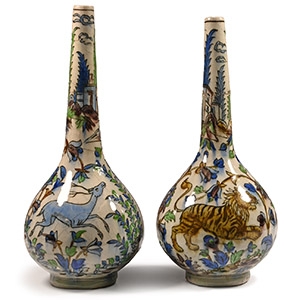
Persian Glazed Vase Pair
20th century A.D.Sold for (Inc. bp): £85
Each with a bulbous body and tall, narrow neck, both showing a scene of a lion chasing deer, flowers and other vegetation on the field, buildings on the neck; repaired. 1.3 kg total, 28.7-30 cm
From the family collection of a Hampstead gentleman; formerly acquired in the 1980s. This lot has been cleared against the Art Loss Register database, and is accompanied by an illustrated lot declaration signed by the Head of the Antiquities Department, Dr Raffaele D'Amato. -
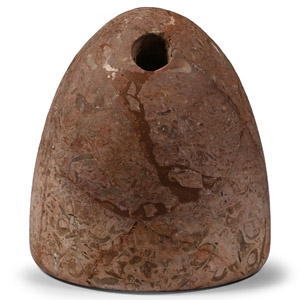
Bactrian Stone Weight
2nd millennium B.C. or laterSold for (Inc. bp): £416
Conical in profile with flat base and U-shaped channel through the apex. 7.25 kg, 17 cm
Ex Mayfair gallery, London, UK, 1990s. This lot has been cleared against the Art Loss Register database, and is accompanied by an illustrated lot declaration signed by the Head of the Antiquities Department, Dr Raffaele D'Amato.
