
Loading, please wait...
LOT 0007
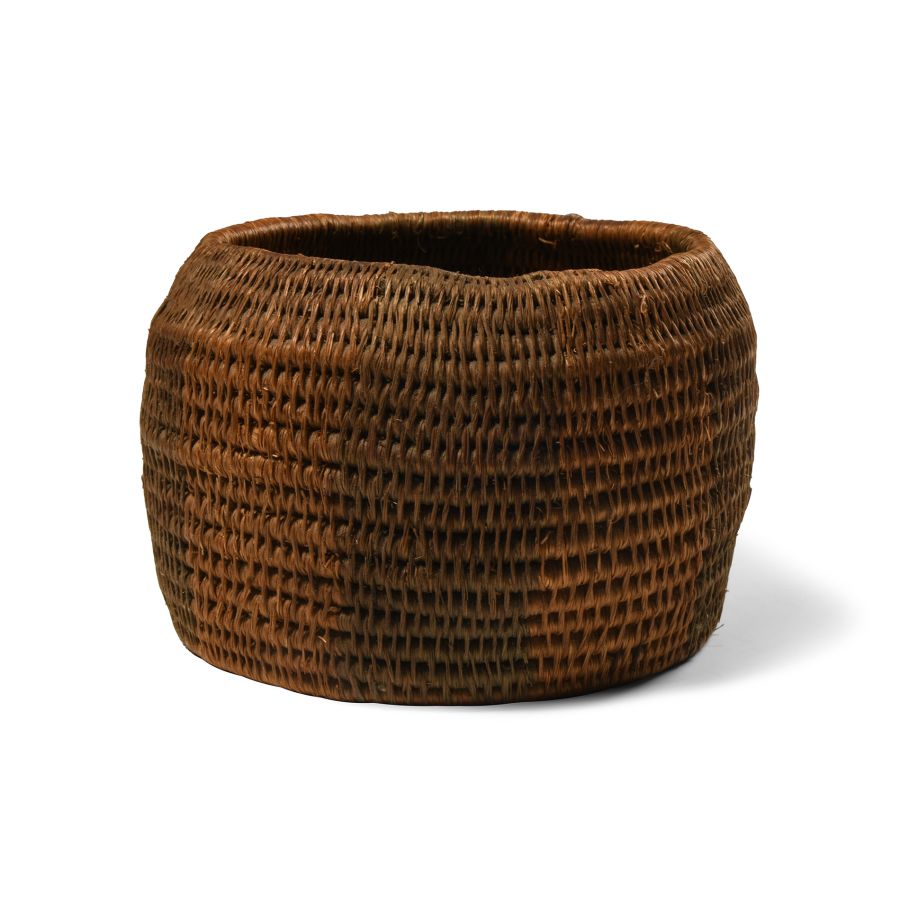
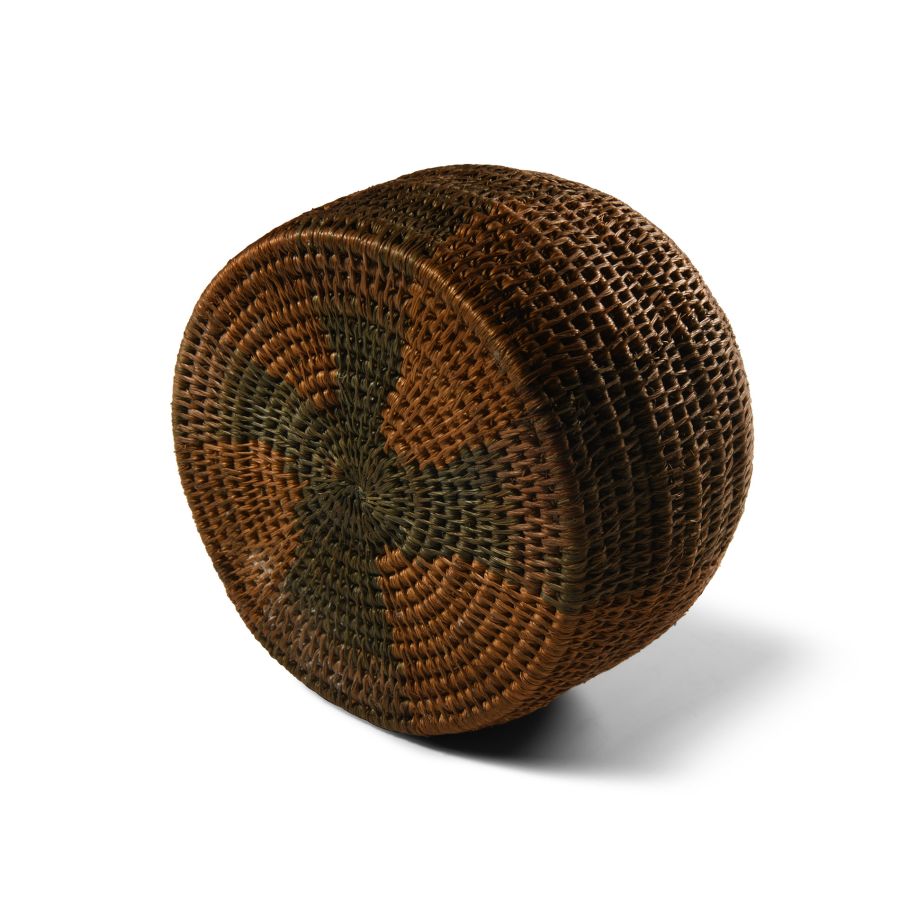
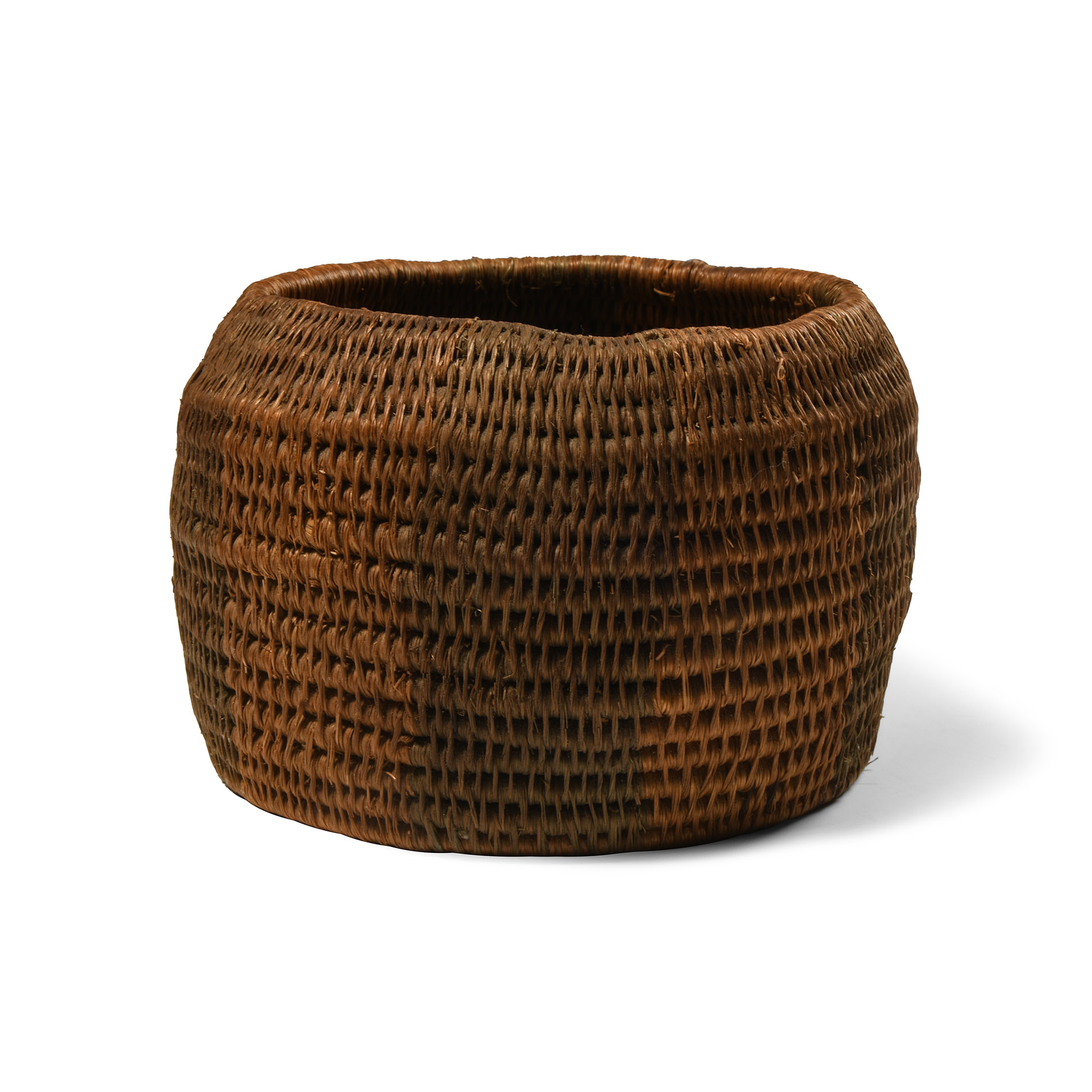
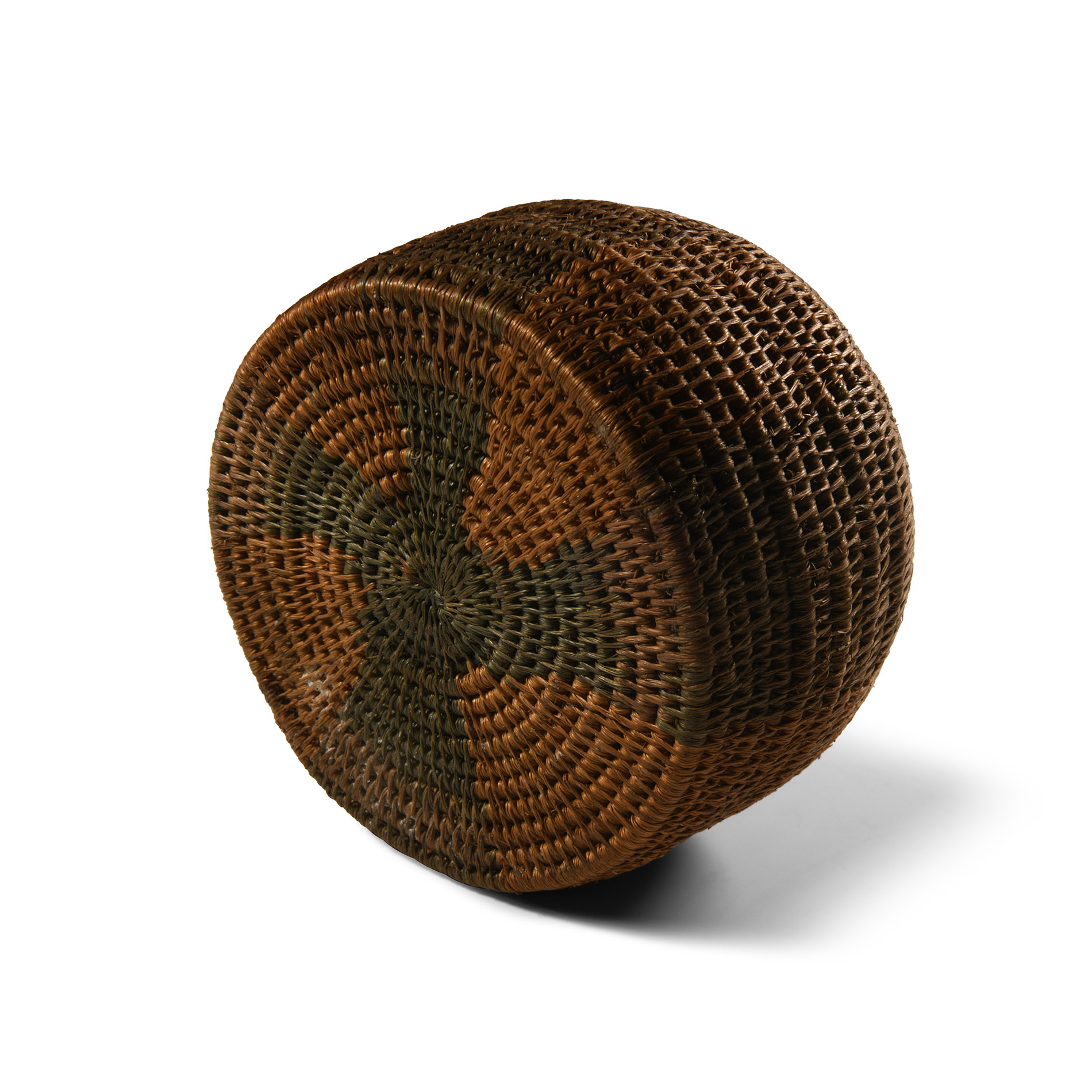
Egyptian Woven Reed Basket
NEW KINGDOM, 1539-1075 B.C.
4 1/2 in. (119 grams, 11.3 cm).
Squat in profile with wide mouth, tinted cross to the underside; old collector's label '1766' inside. [No Reserve]
ProvenanceEx Bretagne Encheres, Hotel des Ventes de Rennes, France, 2005-2006.
Property of a French collector.
Cf. Brovarski, E., Freed, R.E., Doll, S.K., Egypt’s Golden Age: The Art of Living in the New Kingdom 1558-1085 B.C., Boston, 1982, p.136, no.132, for a patterned basket.
CONDITIONTimeLine Auctions follows a vetting process to ensure the authenticity and legality of all items, reinforcing our commitment to integrity and responsible trading. Each antiquity, antique, and coin lot undergoes thorough examination by a vetting committee of at least ten external specialists, professional trade association members, scientists, and archaeologists: Our Vetting Process
AUCTIONS:
TimeLine is a leading auction house specialising in antiquities, ancient art, collectables, natural history, coins, medals, and books. Our auctions offer museums, collectors, historians, and enthusiasts the opportunity to acquire unique and historically significant pieces.
-
Egyptian Blue Glazed Hieroglyphic Shabti for Akhet
27th-30th Dynasty 525-343 B.C.Sold for (Inc. bp): £494
Olive-green with dorsal pillar, false beard and agricultural tools; vertical band of hieroglyphic text to the lower body and another to the dorsal pillar. 48 grams total, 11.4 cm including stand
Acquired in Egypt by Lieutenant James Alexander Goodman in the 1920s. Thence by descent to his grandson.
Lieutenant Goodman served in the 4th Battalion Welsh Regiment during World War I and saw action in Palestine during the capture of Bethlehem, (for which he won an MC). After the war, he setup a business selling Fordson trucks and tractors in Alexandria, Egypt. A keen antiquarian, he collected ancient objects during his time in Alexandria and when he visited the pyramids at Giza. After his first marriage failed, he returned to the UK in the early 1930s. On his death in 1959 he passed his small collection of Egyptian objects on to his second wife, Ruby Goodman. On Ruby’s death in 1994, they were left to their second daughter, Rosemary Johnson, (née Goodman), and are currently in the possession of her son. -
Egyptian Alabaster Bowl
1st Dynasty, circa 3000 B.C.Estimate: £1,800 - 2,400 (‡+bp*)
Opening Bid: £1,000
Of conical profile with flattened base, carinated shoulder and stepped rounded rim, possibly for accepting a lid. 380 grams, 11.6 cm wide
Property from an American deceased estate, acquired between 19770-1989. with Bonhams, London, 28 October 2009, no.16 (Part). Private European collection. Accompanied by copies of the relevant Bonhams catalogue pages. This lot has been checked against the Interpol Database of stolen works of art and is accompanied by a search certificate number no.12071-215259. -
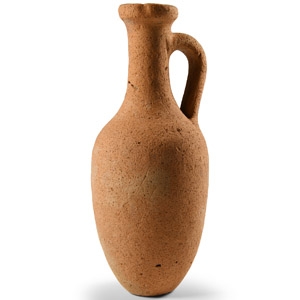
Phoenician Terracotta Jug
1st millennium B.C.Sold for (Inc. bp): £65
Ovoid body with narrow base, tall columnar neck and flared mouth. single strap handle to the shoulder. 249 grams, 15 cm
From the H.N. collection, Milton Keynes, Berkshire, UK, 1990s.
