
Loading, please wait...
LOT 0021
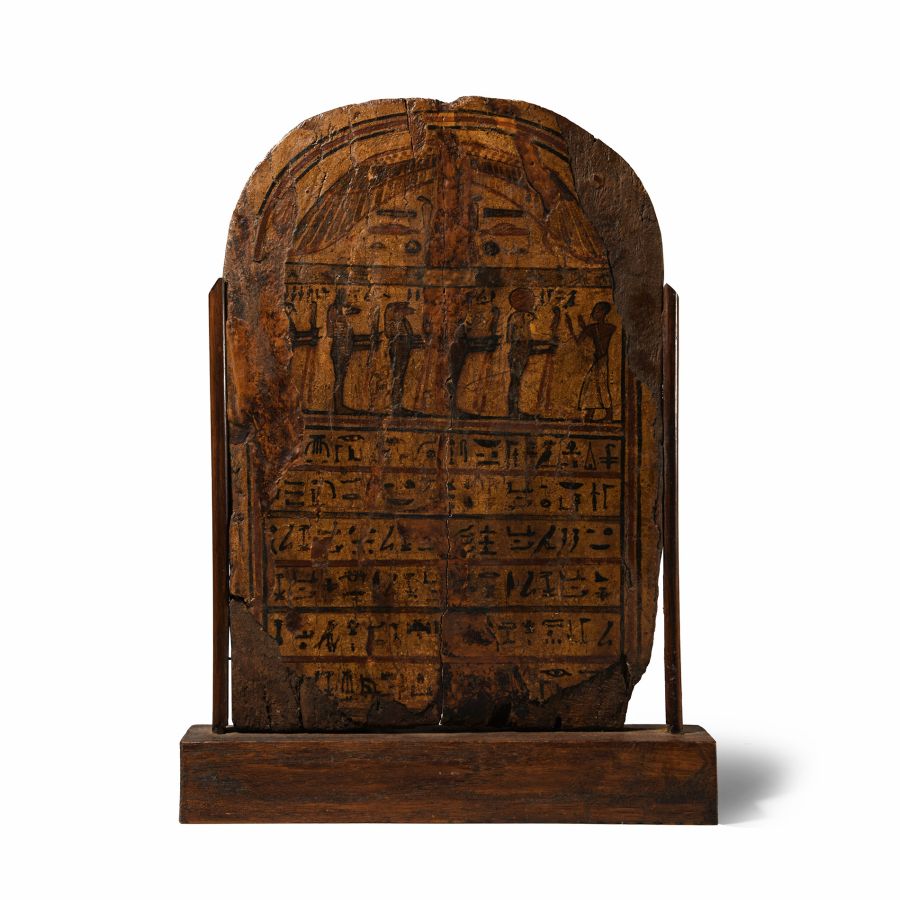
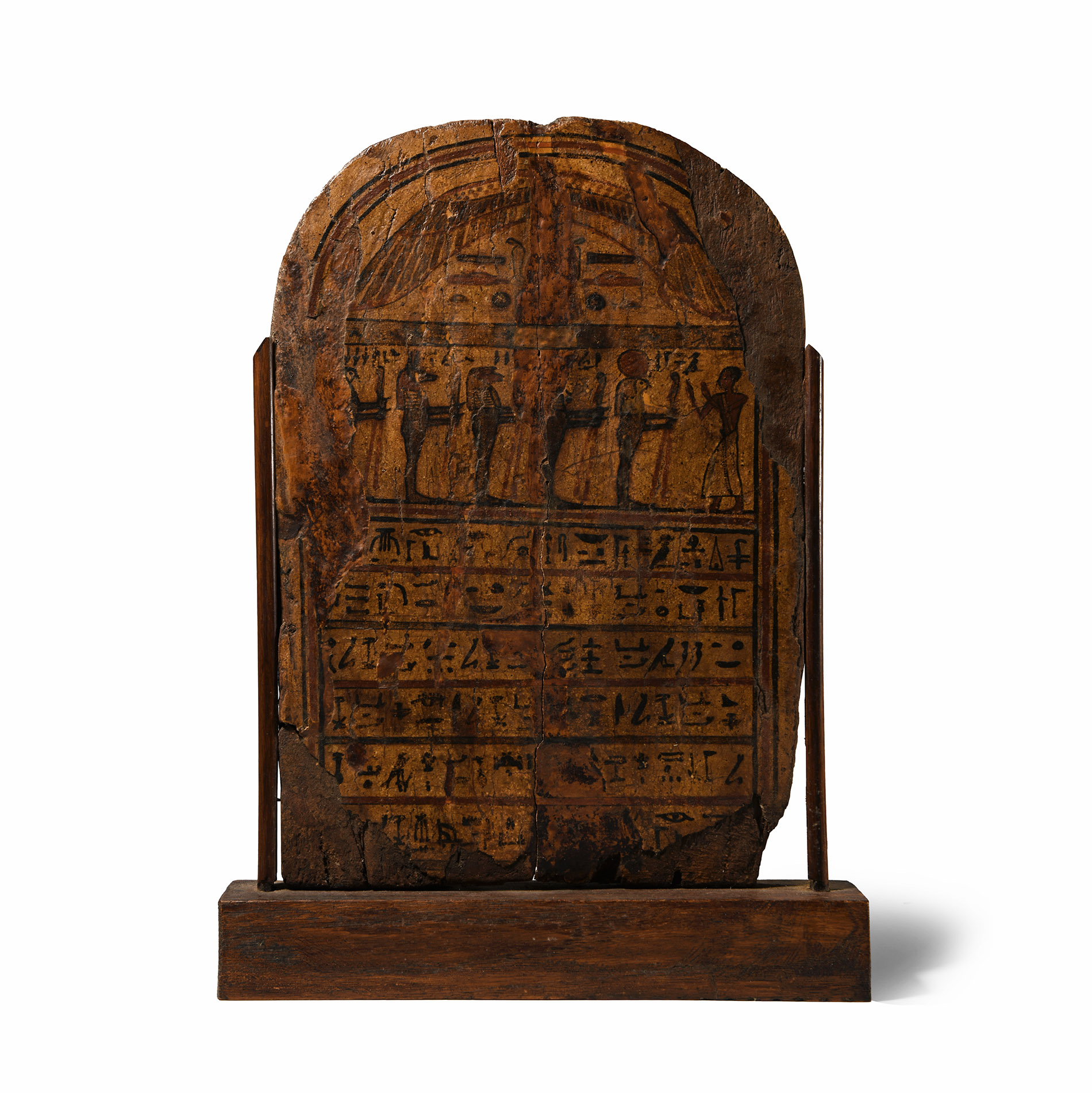
Egyptian Wooden Stela for Pa-di-Amun-(em)-ipat with Ra-Horakhty
LATE PERIOD-PTOLEMAIC PERIOD, 664-30 B.C.
17 3/4 in. (1.96 kg, 45 cm high).
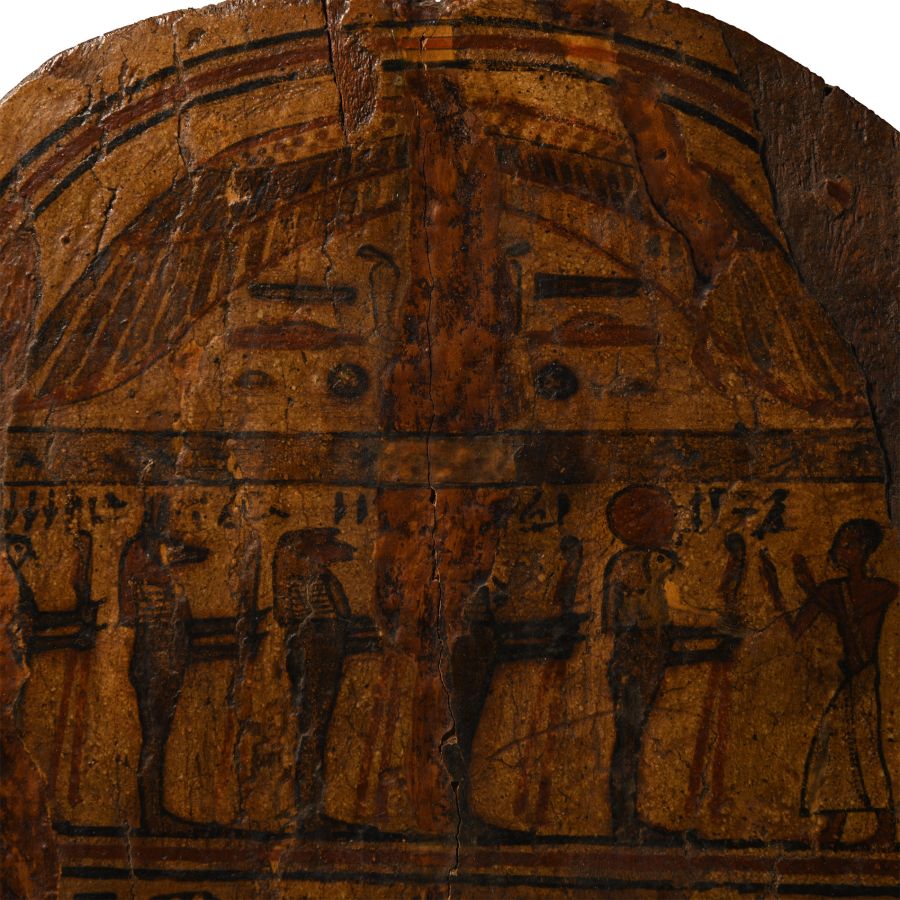
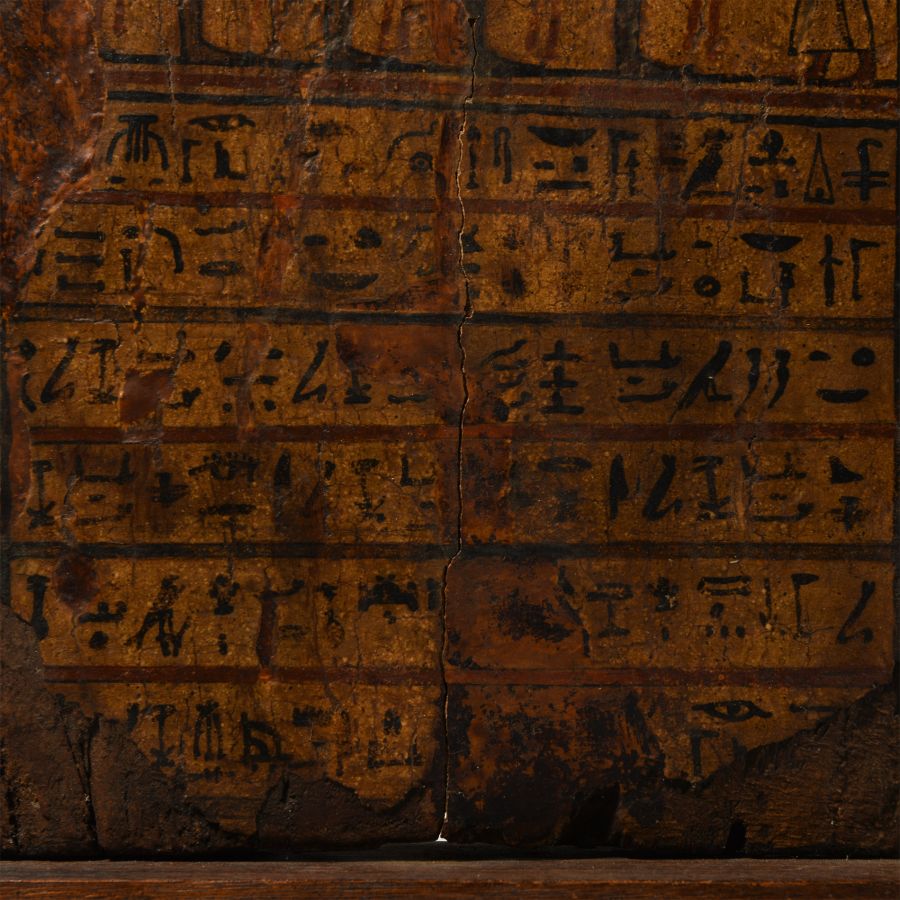
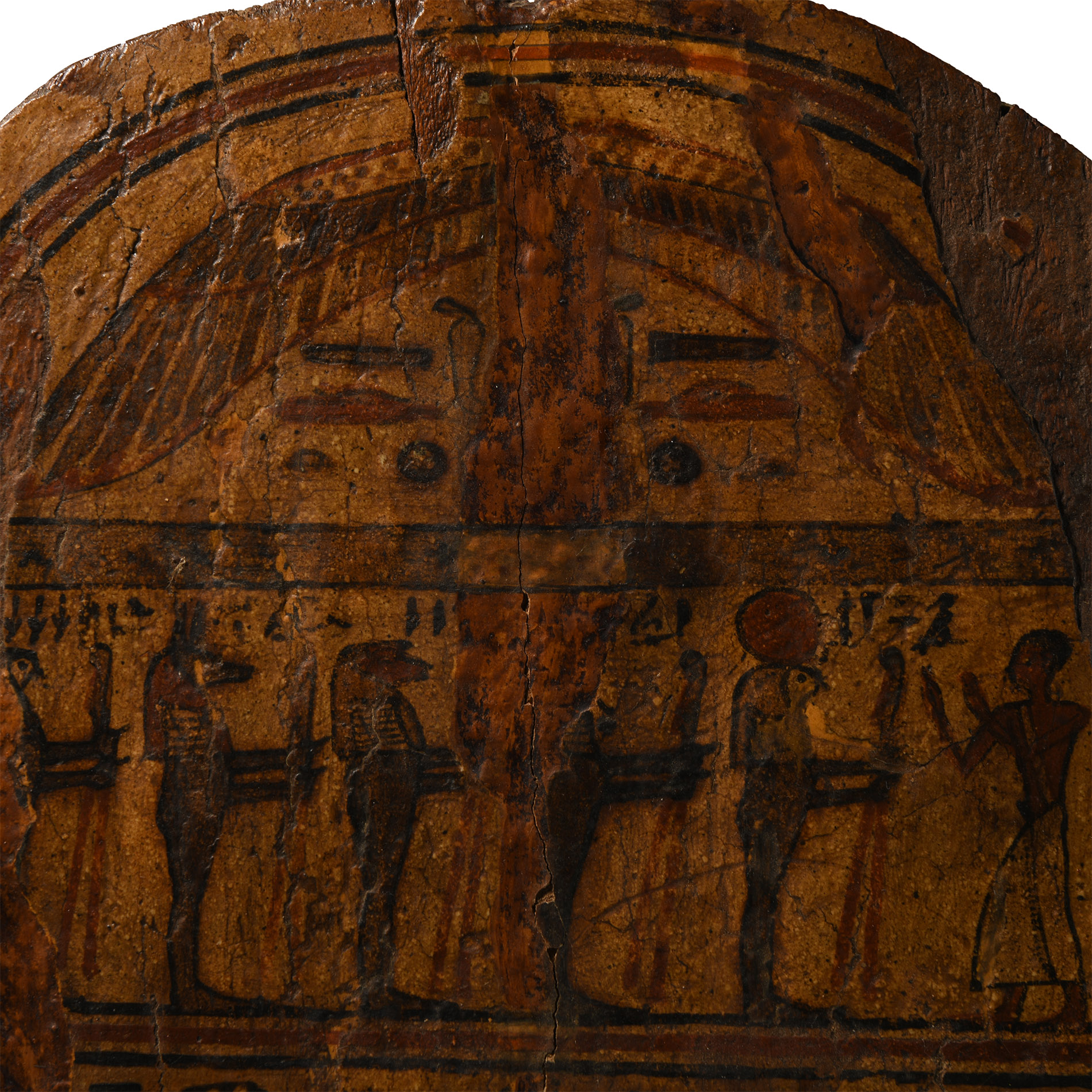
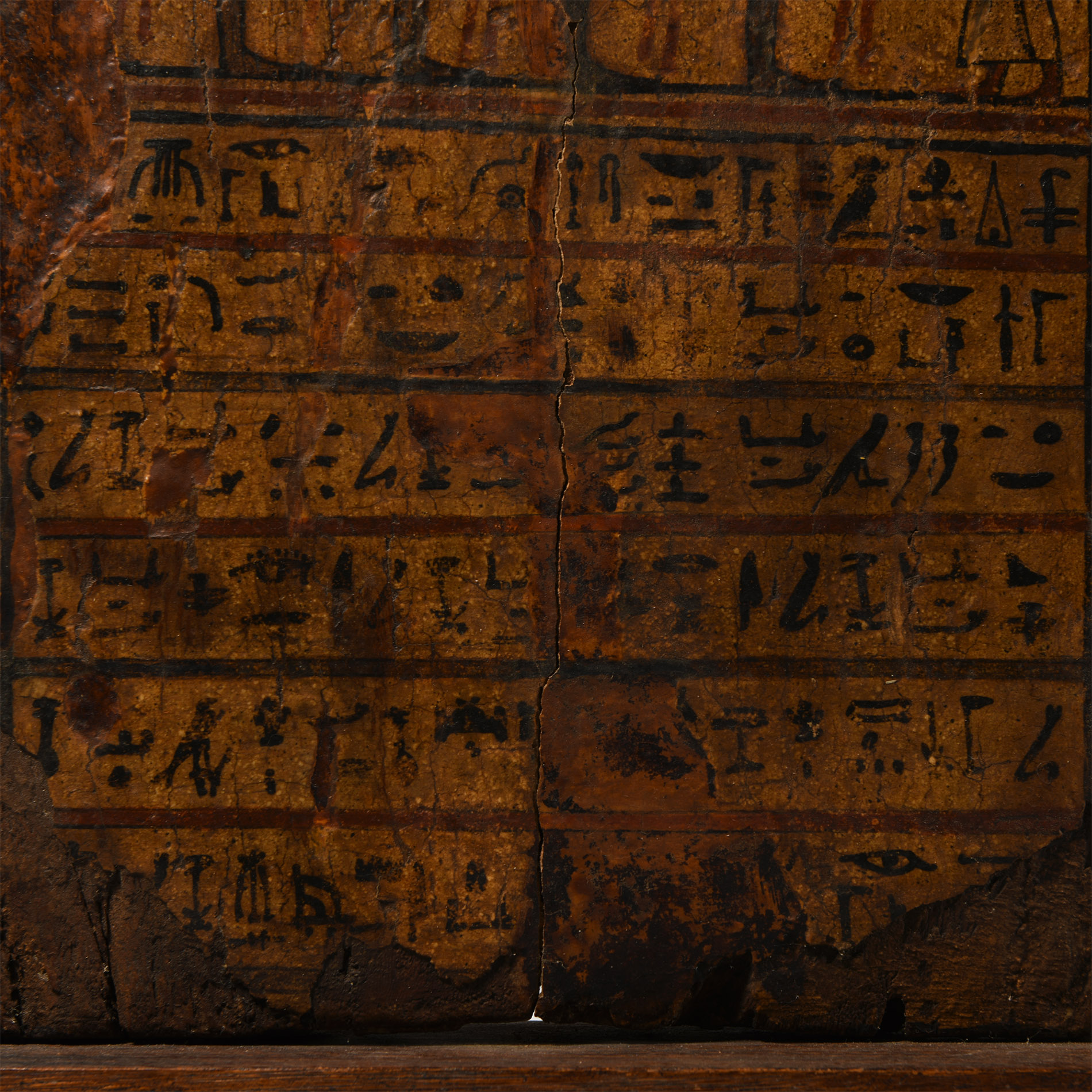
Arch-topped and composed of two vertical boards, coated with gesso and skilfully painted on one side; the lunette decorated with a winged sun-disc and two pendant uraei; the central vignette depicting the deceased worshipping the falcon-headed god Ra-Horakhty with the Four Sons of Horus standing behind, each with their name written above; the lower register with six lines of hieroglyphic text providing an offering formula for the benefit of the deceased:
Transliteration of the hieroglyphs:
1) ḥtp-dı-͗nsw rꜤ-ḥr-Ꜣḫtı͗nṯr Ꜥ nb pt
sḥḏ [.....] wsır͗ ẖntt [ım͗ntt?]
2) nṯr Ꜥ nb Ꜣbḏw dı⸗͗f pr.t-ḫrw t ḥnḳt
kꜢ Ꜣpd [....] ḫt nb(t) (n) fr(t) wꜢbt […]
3) ḫt nbt nḏm dı⸗͗f ḥtpw ḏfꜢw [...]f ḫꜢ
m t dı⸗͗f ḫꜢ m
4) ḥnḳt dı⸗͗f ẖꜢ ır͗p [...] dı⸗͗f ḫꜢ m ı͗[...]
dı⸗͗f ḫꜢ ı(͗Ꜣ)r(r)t dı⸗͗f
5) m snṯr ḥr ḫꜢwt [...] ḳrs nfr ḥr ım͗nt
nfr
6) n [..] wsır͗ [......] pꜢ-dı-͗ım͗n(m) ıp͗ Ꜣ.t
ms (n) ḫꜢ [....]
Translation:
1) An offering that the king and Ra-Horakhty, Great God, Lord of Heaven, the illuminated [...] Osiris Foremost [of the West?]
2) Great God, Lord of Abydos (that) he may give a voice-offering (of) bread, beer, oxen, and fowl […] everything good and pure […]
3) everything sweet, he gives offerings of provisions […] a thousand of bread, he gives a thousand of
4) beer, he gives a thousand of wine […], he gives a thousand of vines, he gives a thousand of
5) incense on the altar […] a good burial in the beautiful West
6) for […] the Osiris[…] Pa-di-Amun-(em)-ipat born (to) Kha[…];
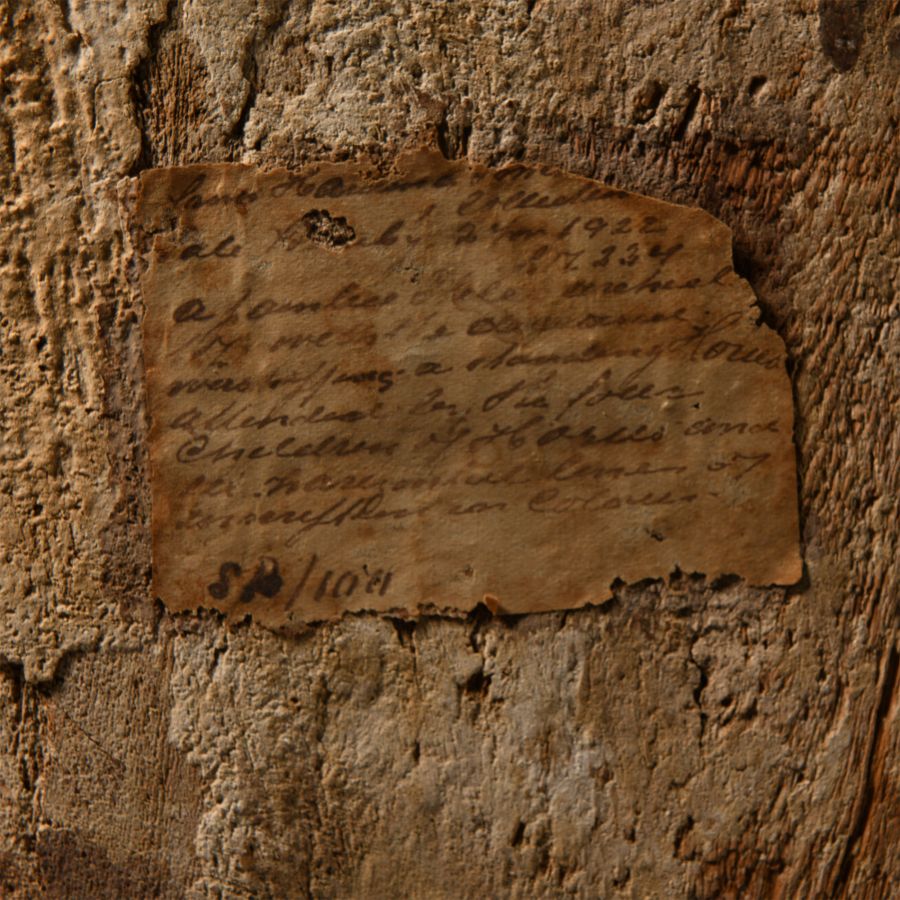
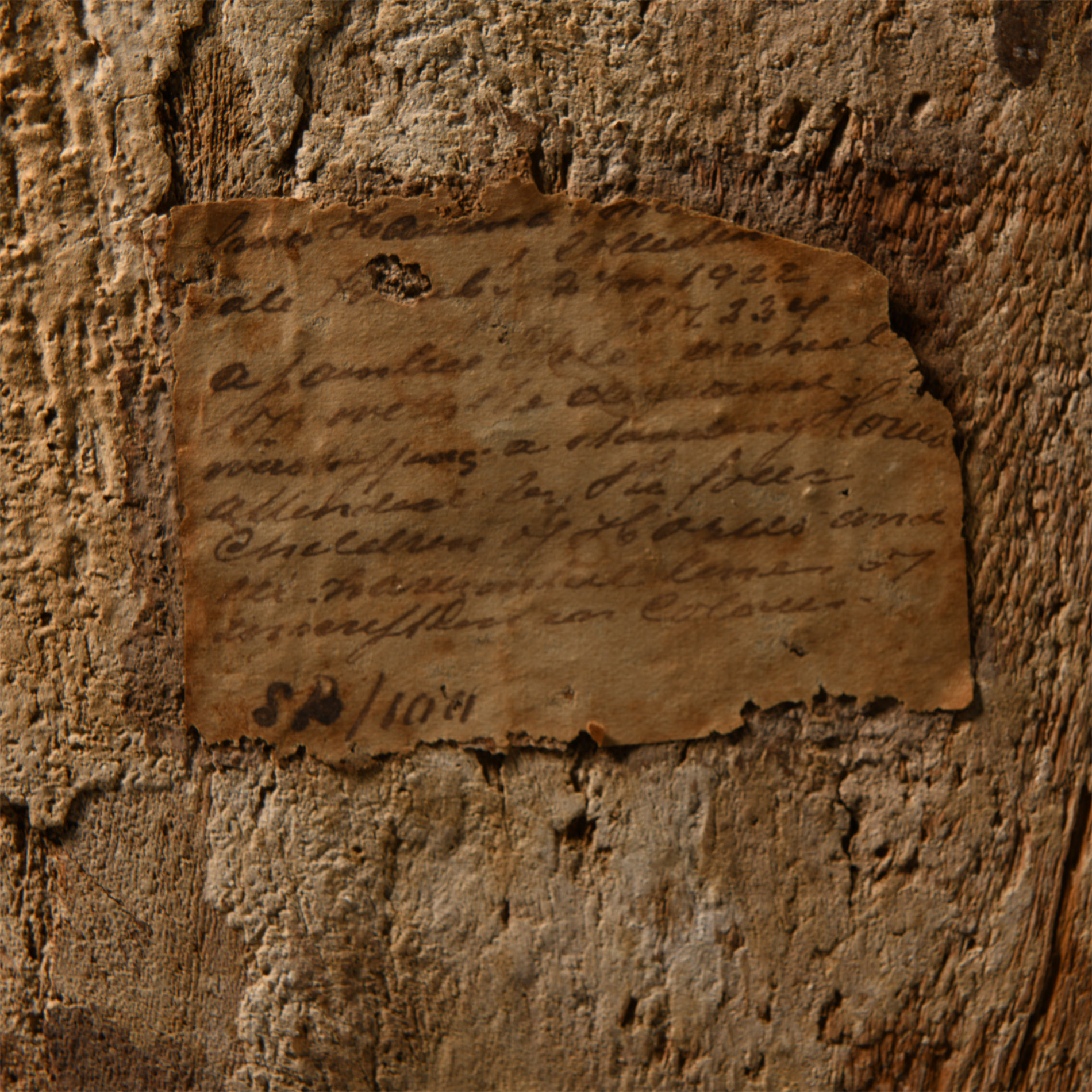
on the verso, an old handwritten collection label reading: 'From Harding & Sm[ith] Collection Sale Sotheby 2 Nov 1922 L.N. 234. A families[sic] stele, arched top, with the deceased worshipping a standing Horus attended by the four Children of Horus and six horizontal lines of inscription in colour. SP/10a'; mounted in a custom-made wooden frame.
From the collection of the late W. Harding Smith (1848-1922).
with Sotheby, Wilkinson & Hodge, 34 & 35 New Bond Street, 2 November 1922, no.234.
Old handwritten label to verso reading 'From ‘....’ ‘....’ collection Sale Sotheby 2 Nov 1922 L.N.234...'
Accompanied by an academic report by Egyptologist Paul Whelan.
Accompanied by a copy of the 1922 Sotheby, Wilkinson & Hodge catalogue pages.
Cf. Munro, P., Die spätägyptischen Totenstelen, 2 vols., Ägyptologische Forschungen 52, Glückstadt, 1973, vol.2, pl.3, fig.12, for a stela with similar format; for an example with a three-line border see British Museum EA22919; or with a plain, single-coloured band with thin outer and inner delimiting lines see Cairo Museum A9444.
CONDITIONTimeLine Auctions follows a vetting process to ensure the authenticity and legality of all items, reinforcing our commitment to integrity and responsible trading. Each antiquity, antique, and coin lot undergoes thorough examination by a vetting committee of at least ten external specialists, professional trade association members, scientists, and archaeologists: Our Vetting Process
AUCTIONS:
TimeLine is a leading auction house specialising in antiquities, ancient art, collectables, natural history, coins, medals, and books. Our auctions offer museums, collectors, historians, and enthusiasts the opportunity to acquire unique and historically significant pieces.
LOT 0021
Egyptian Wooden Stela for Pa-di-Amun-(em)-ipat with Ra-Horakhty
Sold for (Inc. bp): £15,600
-
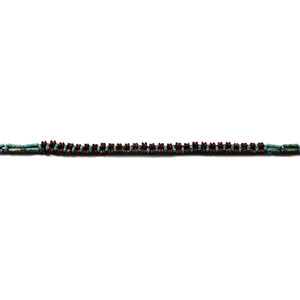
Egyptian Faience Mummy Bead Necklace
Late New Kingdom, 1295-1069 B.C.Estimate: £600 - 800 (+bp*)
Opening Bid: £300
Restrung designer necklace using tubular green-glazed beads in a double row, interspersed with small two-holed beads; the central feature a net-like composition of small brown and blue-glazed ring-shaped beads. 9.54 grams, 46 cm long
By repute, 'Excavated at Gurob by Prof. Flinders Petrie. From a quantity of beadwork taken from the neck of a mummy'. Ex 1920s UK collection. -
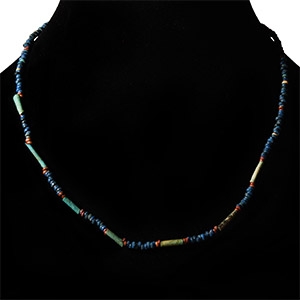
Egyptian Bright Blue and Turquoise Faience Bead Necklace
New Kingdom, 1550-1070 B.C.Sold for (Inc. bp): £117
Restrung with mainly dark blue annular beads with interspersing annular beads in contrasting colours; central feature composed of similar annular beads and of seven tubular turquoise beads; modern clasp. 5.17 grams, 47 cm
From an early 20th century UK collection. -
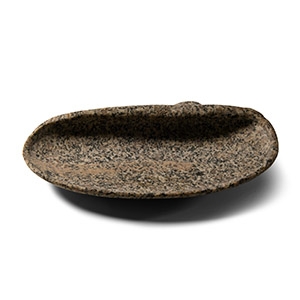
Egyptian Diorite Shell-Shaped Bowl
Early Dynastic-Old Kingdom, circa 3100-2181 B.C.Sold for (Inc. bp): £2,210
Sculpted as one half of a bivalve shell with thin lip to outer edge; repaired; mounted on a custom-made stand. 713 grams total, 19.5 cm wide
Ex Mayfair gallery collection, London, UK, pre 1999.
