
Loading, please wait...
LOT 0003
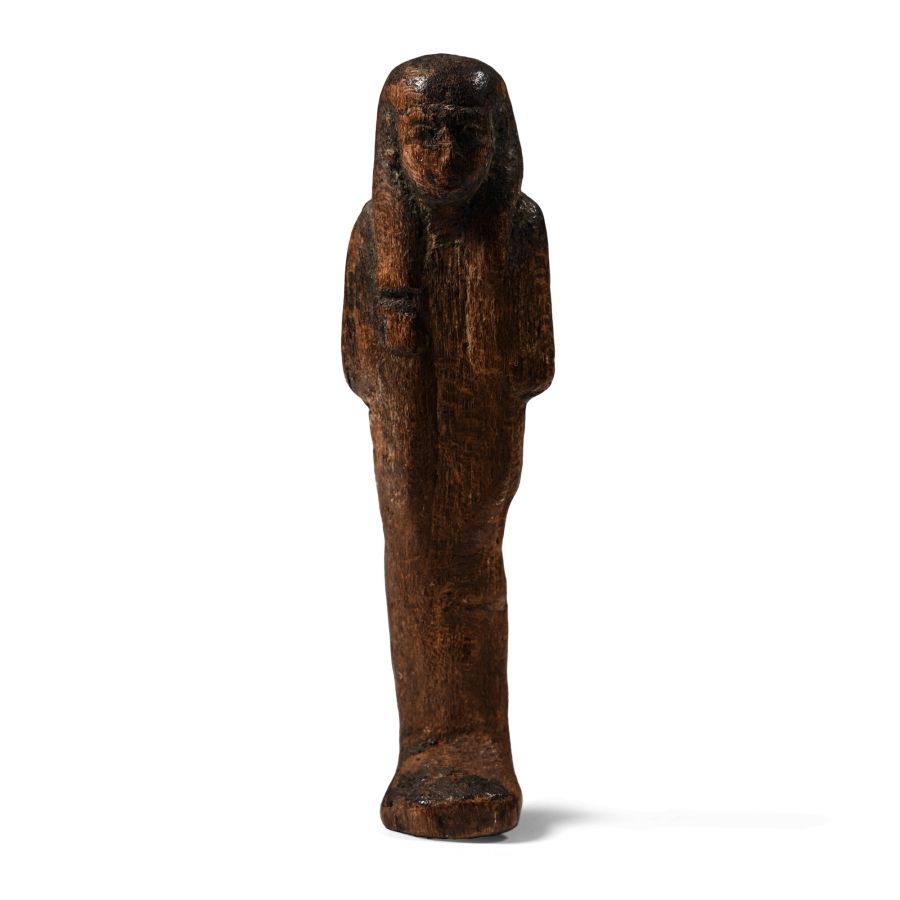
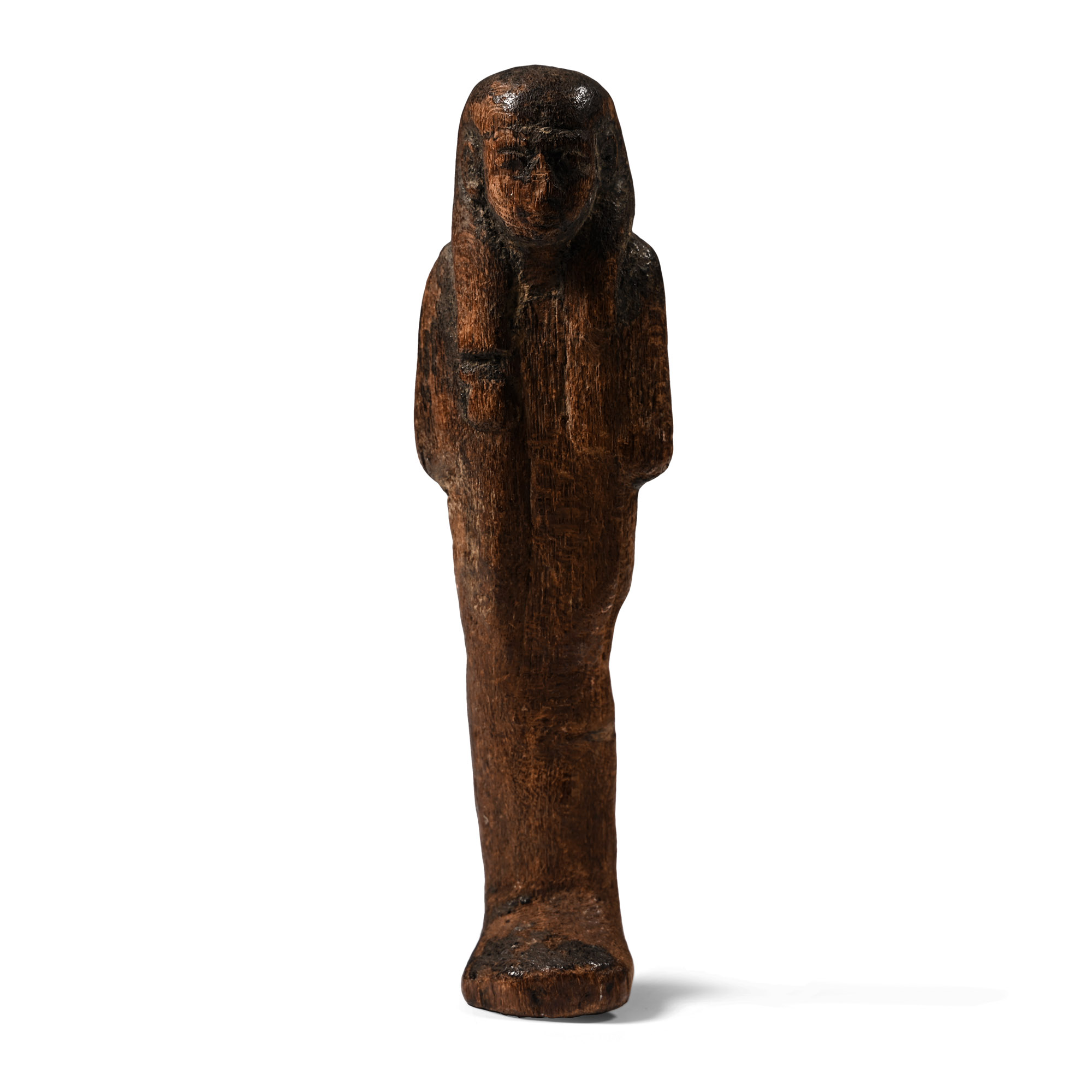
Egyptian Wooden Funerary Shabti Figurine
NEW KINGDOM, CIRCA 1570-1070 B.C.
5 3/4 in. (39 grams, 14.5 cm).
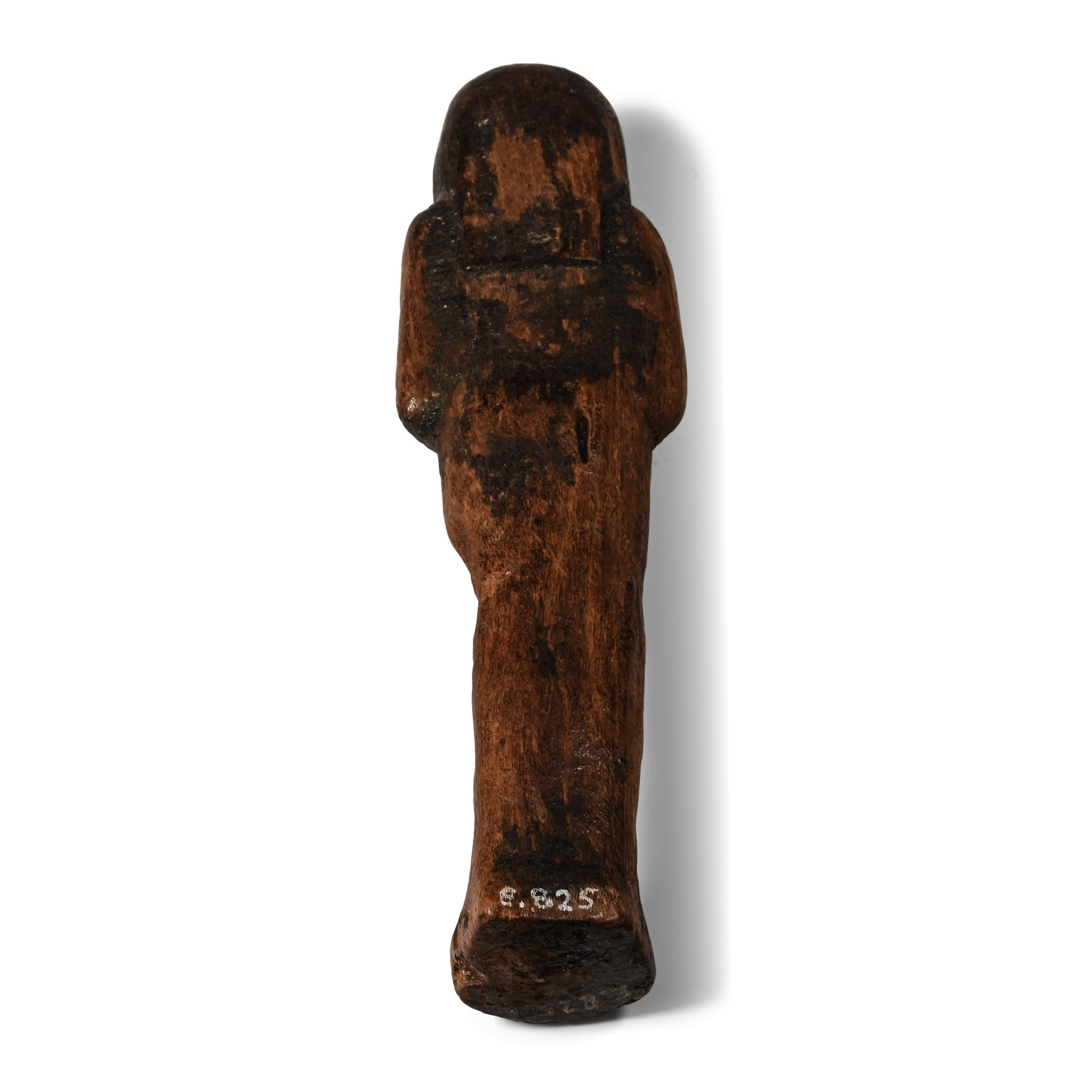
Carved in the round as a mummiform figure, with a carefully modelled tripartite wig, a rounded face, large eyes, and a subtly simpering expression.
ProvenanceEx R. Liechti (1934-2010) Geneva, Switzerland, formed between 1950-1990s.
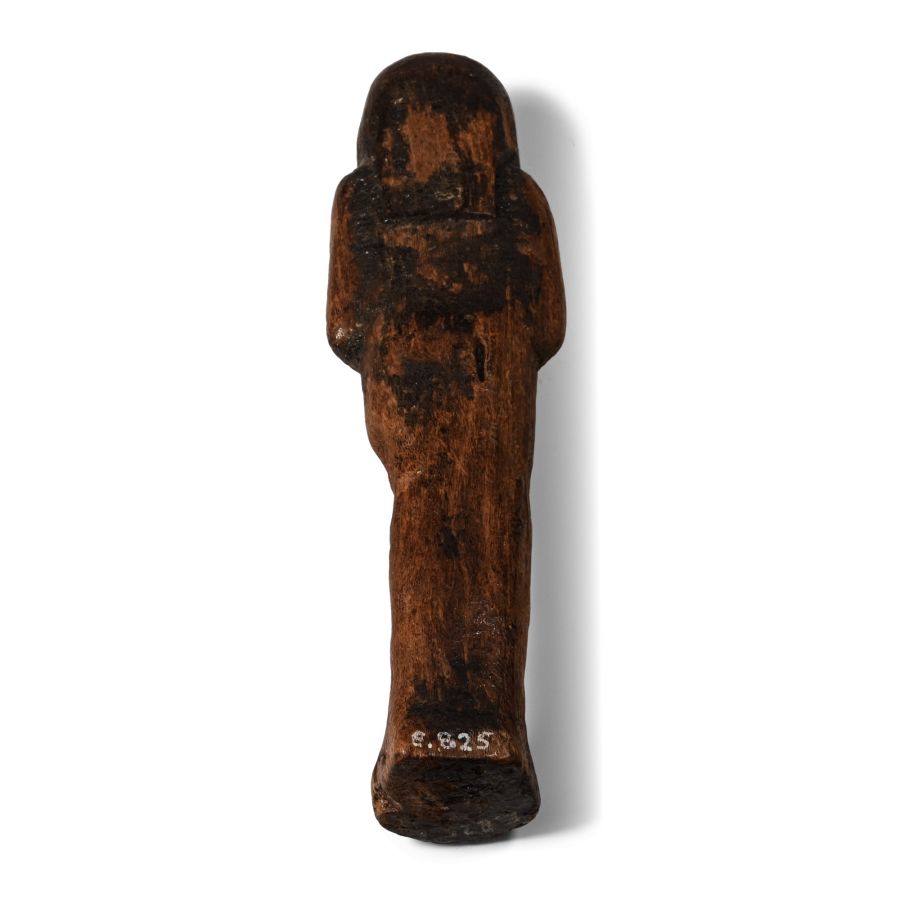
with Liechti stock number 'E.825' to base.
This lot has been checked against the Interpol Database of stolen works of art and is accompanied by a search certificate number no.12079-218221.
This lot is accompanied by an illustrated lot declaration signed by the Head of the Antiquities Department, Dr Raffaele D'Amato.
Cf. Schlögl, H. & Brodbeck, A., Ägyptische Totenfiguren aus öffentlichen und privaten sammlungen der Schweiz, Göttingen, 1990, p. 104, no. 43, for similar.
FootnotesA shabti (also known as ushabti or shawabti) is a small funerary figurine found in ancient Egyptian tombs, from around 2000 BCE to 30 BCE. Its main purpose was to act as a servant for the deceased in the afterlife, carrying out manual tasks like farming or irrigation as directed by the gods. Shabtis were frequently inscribed with a magical formula from the Book of the Dead to ensure they would animate when summoned.
CONDITIONTimeLine Auctions follows a vetting process to ensure the authenticity and legality of all items, reinforcing our commitment to integrity and responsible trading. Each antiquity, antique, and coin lot undergoes thorough examination by a vetting committee of at least ten external specialists, professional trade association members, scientists, and archaeologists: Our Vetting Process
AUCTIONS:
TimeLine is a leading auction house specialising in antiquities, ancient art, collectables, natural history, coins, medals, and books. Our auctions offer museums, collectors, historians, and enthusiasts the opportunity to acquire unique and historically significant pieces.
LOT 0003
Egyptian Wooden Funerary Shabti Figurine
Estimate £1,200 - 1,700€1,390 - 1,970 (for guidance only)$1,620 - 2,300 (for guidance only)
-
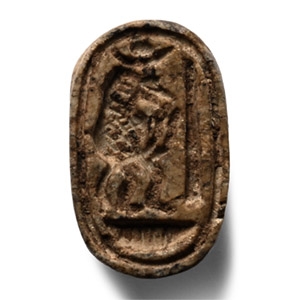
Egyptian Faience Duck Scaraboid with Hieroglyphs
Late Period, 664-332 B.C.Sold for (Inc. bp): £286
Modelled as a resting duck with its neck curved around the upper body, feather detailing on the wings, tail, and body, and delicately formed head; the underside features a baboon in a posture of adoration before an obelisk, wearing a lunar disc and crescent headdress, with a neb sign below. 2.82 grams, 19 mm
From the property of a London, UK, gentleman, 1970-2000s. This lot is accompanied by an illustrated lot declaration signed by the Head of the Antiquities Department, Dr Raffaele D'Amato.
Baboons were observed worshipping the rising sun with raised arms, a behaviour that Egyptians interpreted as divine reverence. The scarab's imagery symbolises cosmic harmony and sacred wisdom, with the baboon (a manifestation of Thoth in his lunar aspect) showing reverence to an obelisk (a symbol of the solar god, Ra). Thus, it blends moon and sun symbolism, embodying balance, cyclical renewal, divine order, and the interplay between knowledge (Thoth) and power (Ra). The neb sign indicates lordship or possession over all the celestial forces. -
.jpg)
Egyptian Turquoise Glazed Faience Four Sons of Horus Mount Set
25th Dynasty, circa 747-656 B.C.Sold for (Inc. bp): £5,200
Set of four flat-backed plaques depicting the standing figures of the four sons of Horus (from left to right: Duamutef, Imsety, Hapy, and Qebehsenuef) in profile, each wearing a tripartite wig, broad collars, and holding a long folded cloth; mounted on a stand. 81 grams total, 95 x 80 mm including stand
Gunther Markert collection, Germany/Switzerland, 1954 or 1961. with Robert Bigler, Switzerland. Private collection, London, UK, acquired from the above on 12 October 2001. Accompanied by a copy of the Robert Bigler invoice. This lot has been cleared against the Art Loss Register database, and is accompanied by an illustrated lot declaration signed by the Head of the Antiquities Department, Dr Raffaele D'Amato.
The Four Sons of Horus were deities tasked with protecting the internal organs of the deceased. The human-headed Imsety safeguarded the liver, the baboon-headed Hapy looked after the lungs, the jackal-headed Duamutef defended the stomach, and the falcon-headed Qebehsenuef protected the intestines. Amulets featuring these deities were included within the mummy wrappings. -
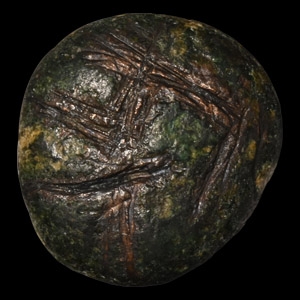
Phoenician Bronze Stamp Seal
Late 1st millennium B.C.Sold for (Inc. bp): £46
With domed head and pierced rectangular shank, hatched detailing. 5.53 grams, 24.5 mm
Ex London, UK, gentleman, 1990. This lot is accompanied by an illustrated lot declaration signed by the Head of the Antiquities Department, Dr Raffaele D'Amato.
