
Loading, please wait...
LOT 0508
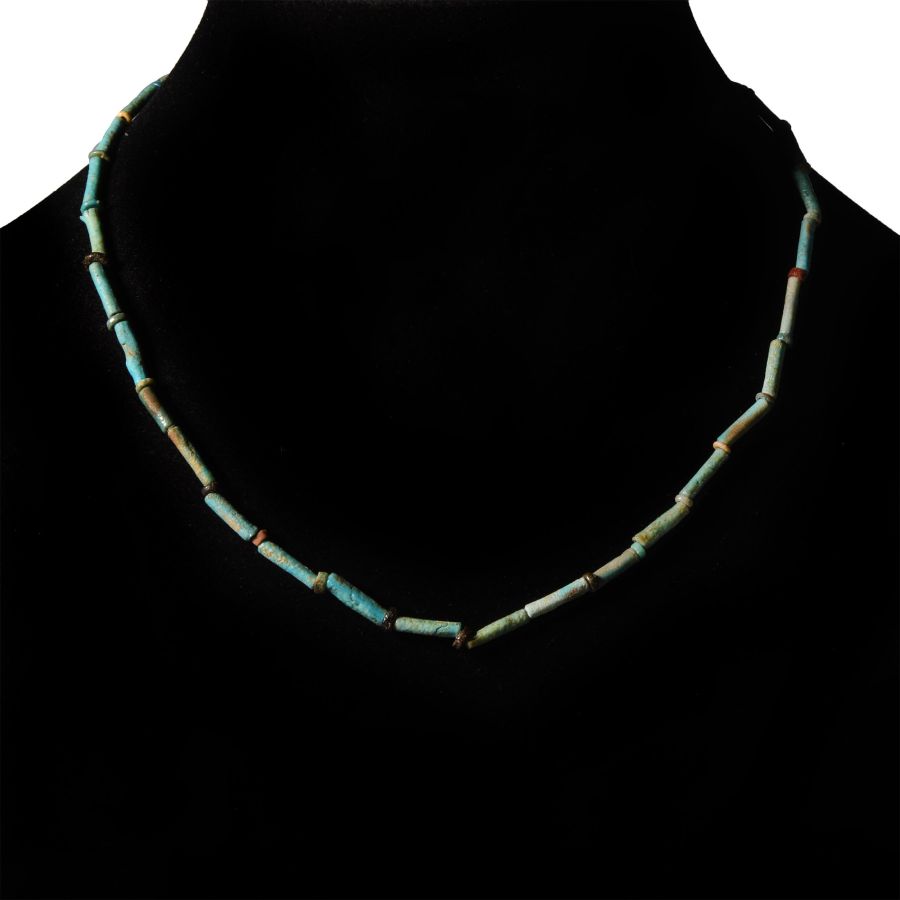
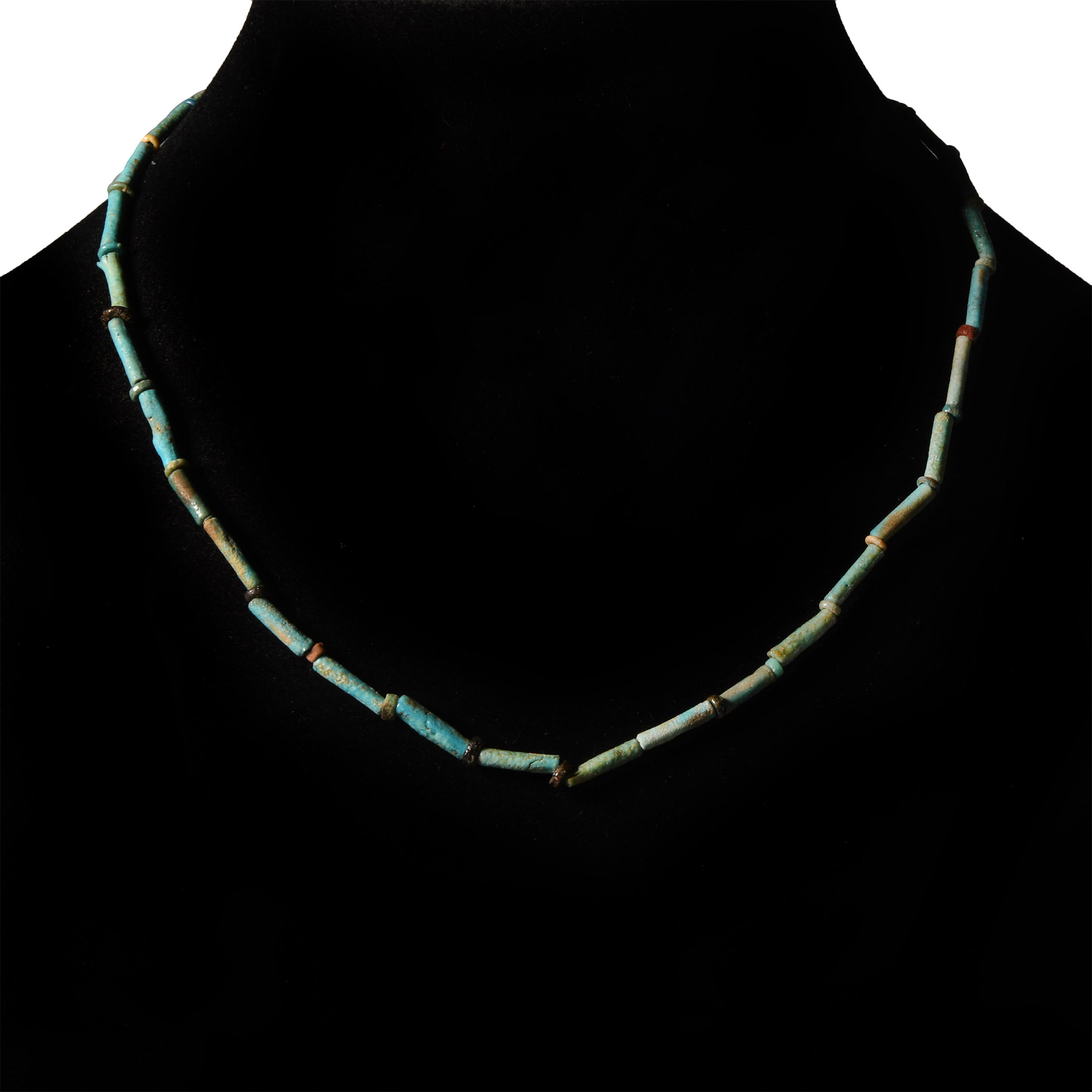
Egyptian Turquoise Faience Bead Necklace
LATE PERIOD, 664-332 B.C.
18 1/8 in. (4.93 grams, 46 cm).
Restrung using mainly tubular beads interspersed with small annular beads; modern clasp.
ProvenanceFrom an early 20th century UK collection.
CONDITIONTimeLine Auctions follows a vetting process to ensure the authenticity and legality of all items, reinforcing our commitment to integrity and responsible trading. Each antiquity, antique, and coin lot undergoes thorough examination by a vetting committee of at least ten external specialists, professional trade association members, scientists, and archaeologists: Our Vetting Process
AUCTIONS:
TimeLine is a leading auction house specialising in antiquities, ancient art, collectables, natural history, coins, medals, and books. Our auctions offer museums, collectors, historians, and enthusiasts the opportunity to acquire unique and historically significant pieces.
-
.jpg)
Egyptian PreDynastic Black-Topped Jar
Naqada I-II, 4000-3200 B.C.Sold for (Inc. bp): £1,430
Of ovoid form tapering to a narrow flattened base. 274 grams, 13.5 cm
From the vendor's grandfather's collection, formed in the 1950s; thence by family descent circa 1974.
The 'black-topped' ware was the most common funerary pottery during Naqada I and Naqada II periods, with a small volume of production in the Naqada III, Early Dynastic and Old Kingdom periods. -
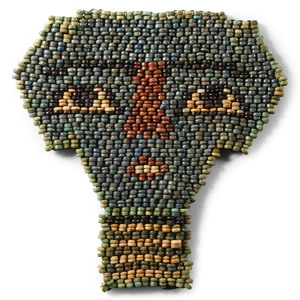
Egyptian Faience Mummy Bead Mask
Ptolemaic Period, 332-30 B.C.Sold for (Inc. bp): £338
Restrung beadwork panel depicting a mummy face mask with false beard. 26.9 grams, 11.2 cm
Previously with Mariaud de Serres, Paris, France. From a Paris gallery. -
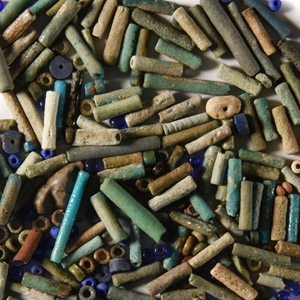
Egyptian Faience and Glass Bead Group
Mostly Ptolemaic Period, 332-30 B.C.Sold for (Inc. bp): £124
Mixed group of mostly tubular glazed composition beads in various colours, with later small glass beads. 15.2 grams total, 2-20 mm
Previously with Mariaud de Serres, Paris, France, and from a Paris Gallery.
