
Loading, please wait...
LOT 1893
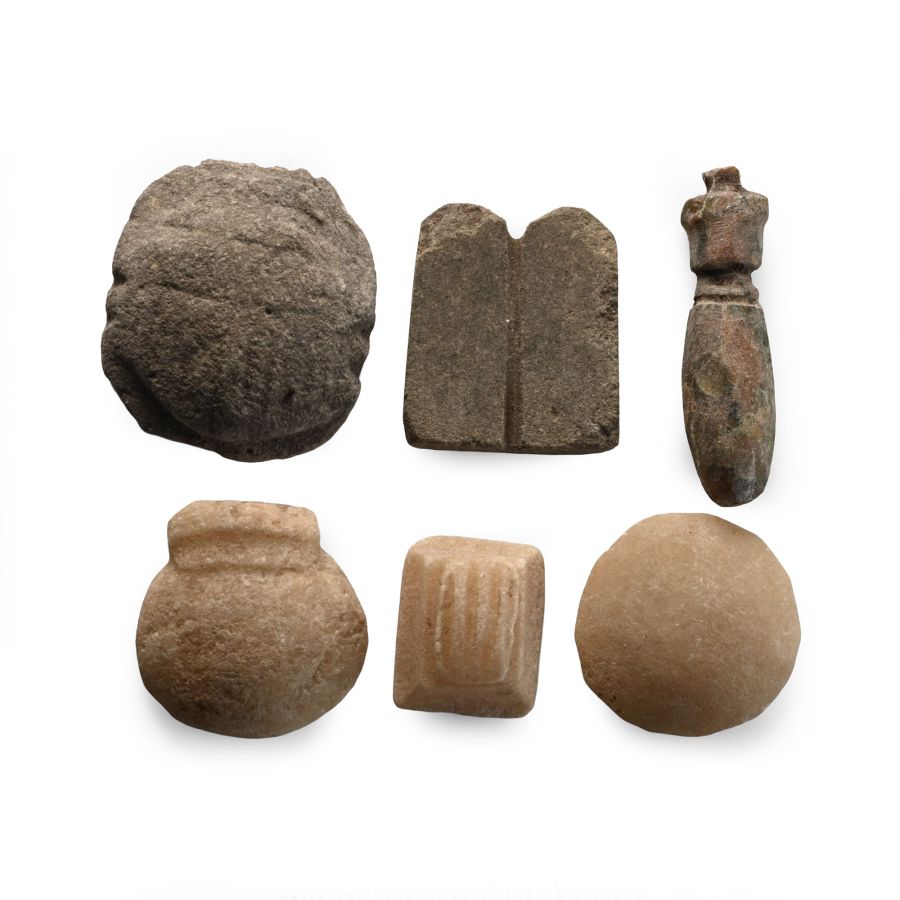
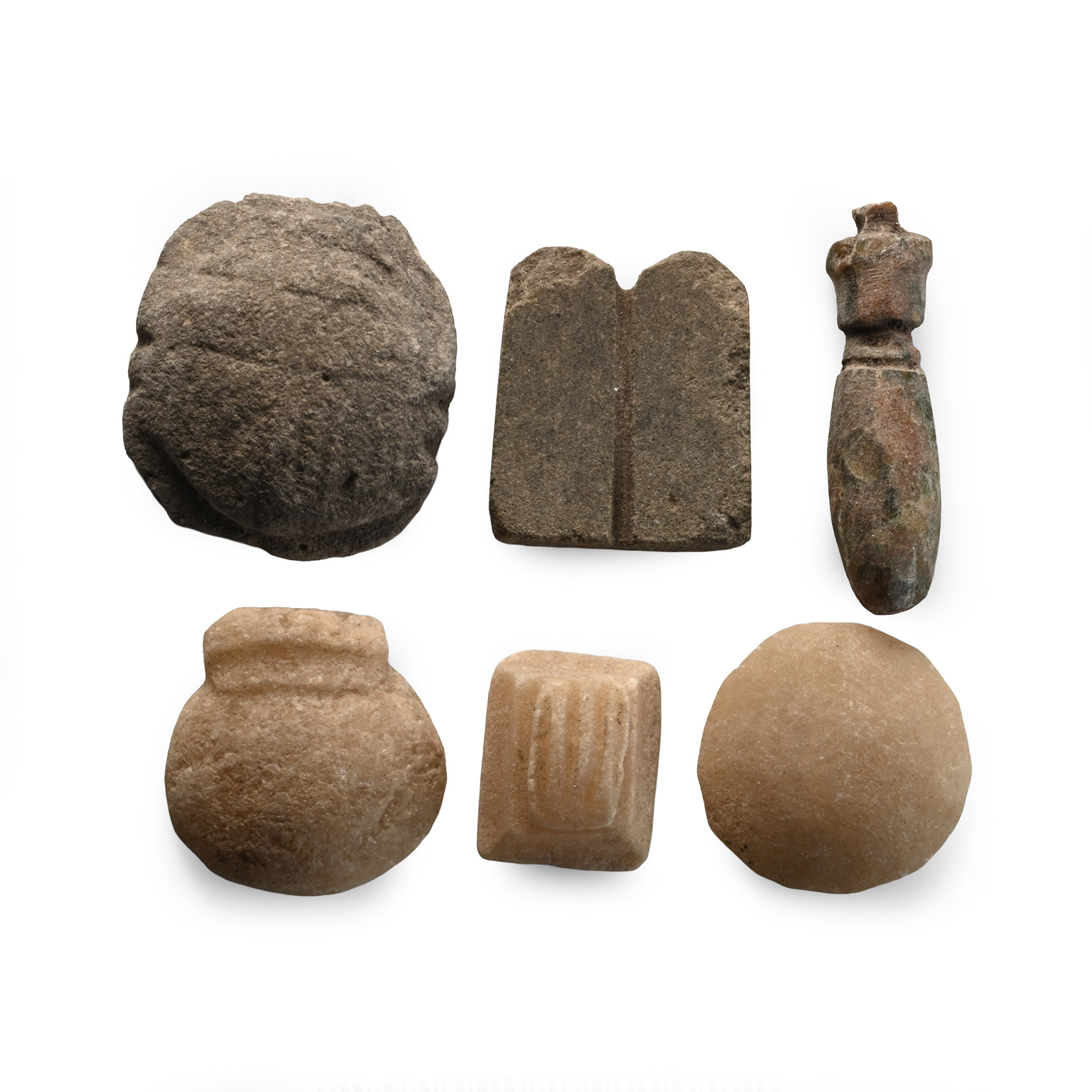
Egyptian Style Stone Amulet Collection
20TH CENTURY A.D.
1/2 - 1 in. (13.34 grams total, 13-25 mm).
Including scaraboid, papyrus sceptre, sun disc on pedestal, double feather, and other types. [6, No Reserve]
Provenancewith Archaeologia, Switzerland, before 1983.
Ex private North American collection.
London private collection, 2016.
TimeLine Auctions follows a vetting process to ensure the authenticity and legality of all items, reinforcing our commitment to integrity and responsible trading. Each antiquity, antique, and coin lot undergoes thorough examination by a vetting committee of at least ten external specialists, professional trade association members, scientists, and archaeologists: Our Vetting Process
AUCTIONS:
TimeLine is a leading auction house specialising in antiquities, ancient art, collectables, natural history, coins, medals, and books. Our auctions offer museums, collectors, historians, and enthusiasts the opportunity to acquire unique and historically significant pieces.
-
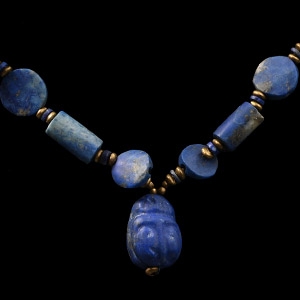
Lapis Lazuli Bead Necklace String
20th century A.D.Sold for (Inc. bp): £33
Restrung group of tubular, irregular and other types with tabular pendant centrepiece. 30 grams, 38.5 cm
London, UK, collection, 2000s. -
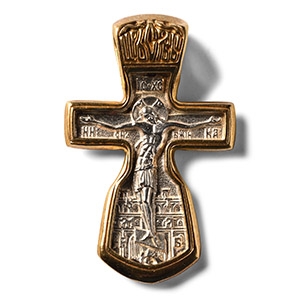
Russian Silver-Gilt Cross Pendant
21st century A.D.Sold for (Inc. bp): £39
Cruciform pendant, the upper arm with suspension loop and dense reserved text, lower arms expanding to a spade-shaped finial; reserved and recessed central panel with Calvary scene on a field of dense text; stamped '925' to rear of loop. 4.43 grams, 29 mm
From the private collection of a West London, UK, gentleman, formed since the early 2000s. -
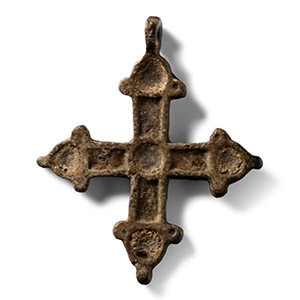
Orthodox Enamelled Bronze Cross Pendant
Circa 1750 A.D.Sold for (Inc. bp): £20
Cruciform pendant with cells to both faces for cloisonné enamel detailing. 4.88 grams, 41 mm
Acquired from Chris Martin-Zakheim, Iconastas, 5 Piccadilly Arcade, London SW1. From the private collection of a West London, UK, gentleman, formed since the early 2000s.
