
Loading, please wait...


LOT 2134
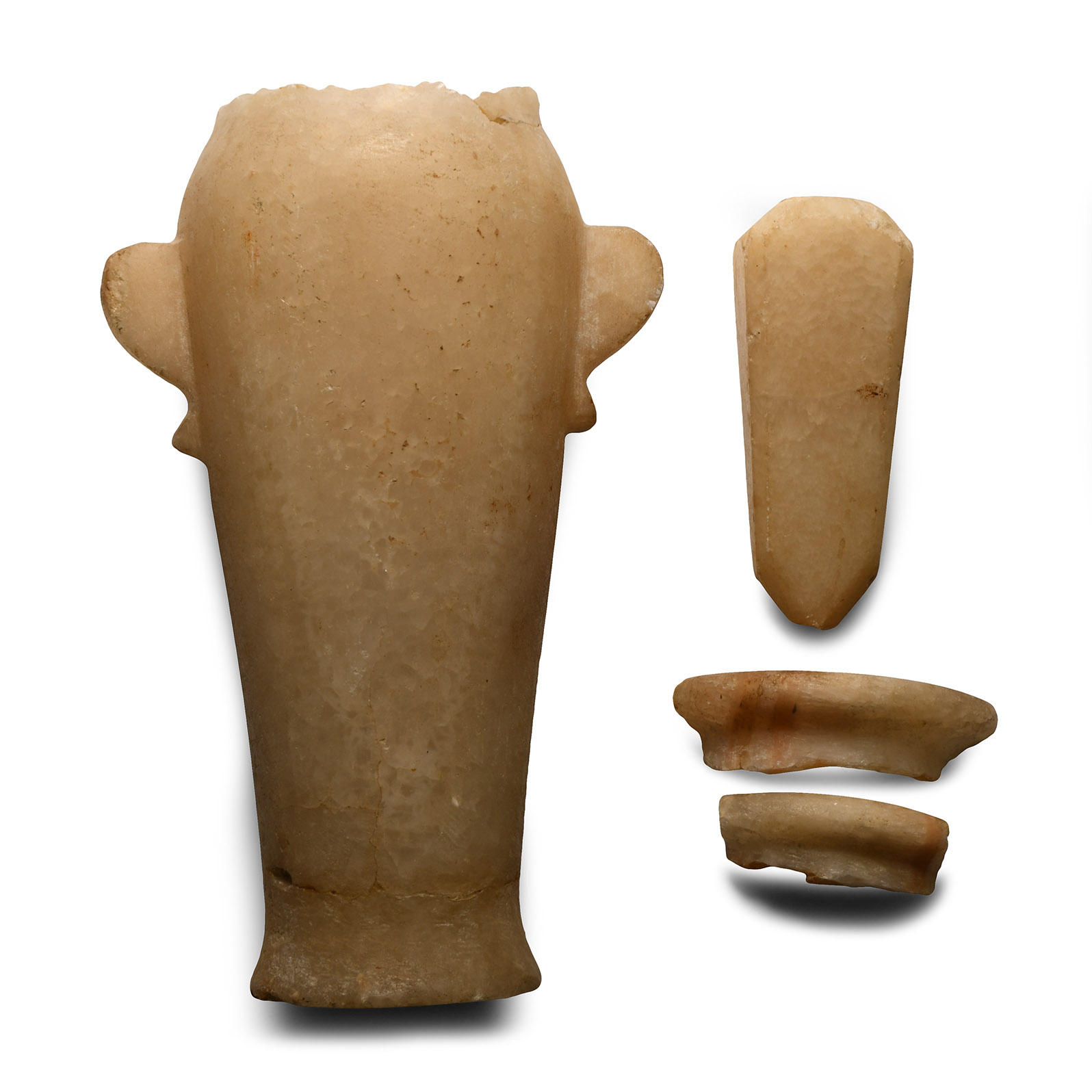
Egyptian Style Alabaster Artefact Group
20TH CENTURY A.D.
2 7/8 - 5 1/2 in. (536 grams total, 7.2-14.1 cm).
Comprising an alabastron with lateral handles and a wedge. [2, No Reserve]
ProvenanceFrom an early 20th century collection, thence by descent.
CONDITIONTimeLine Auctions follows a vetting process to ensure the authenticity and legality of all items, reinforcing our commitment to integrity and responsible trading. Each antiquity, antique, and coin lot undergoes thorough examination by a vetting committee of at least ten external specialists, professional trade association members, scientists, and archaeologists: Our Vetting Process
AUCTIONS:
TimeLine is a leading auction house specialising in antiquities, ancient art, collectables, natural history, coins, medals, and books. Our auctions offer museums, collectors, historians, and enthusiasts the opportunity to acquire unique and historically significant pieces.
-
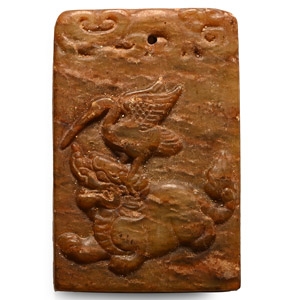
Chinese Hardstone Plaque Pendant
20th century A.D.Sold for (Inc. bp): £20
Obverse with high-relief scene of a crane and a running dog, reverse with recessed panel and four columns of reserved text. 46 grams, 59 x 39 mm
Ex Paris gallery, 1980-1990. From a Parisian collection. -
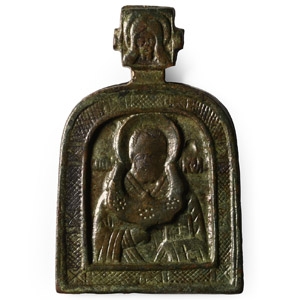
Post Byzantine Bronze Pendant with Saint
Circa 17th century A.D.Estimate: £100 - 140 (+bp*)
Opening Bid: £50
Tongue-shaped plaque with hatched border and central facing image of a nimbate patriarch with 'KOA' legend to one side; pierced square lug above. 28.9 grams, 58 mm
Ex German art market, 2000s. Acquired from an EU collector living in London. From the collection of Surrey, UK, gentleman. -
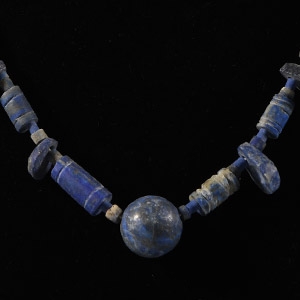
Bactrian Style Lapis Lazuli Bead Necklace String
20th century A.D.Sold for (Inc. bp): £7
Graduated group of beads, mainly tubular and annular types with spherical centrepiece and leaf-shaped dangles. 42 grams, 46 cm
London, UK, art market, 1980-2000s
