
Loading, please wait...
LOT 0052
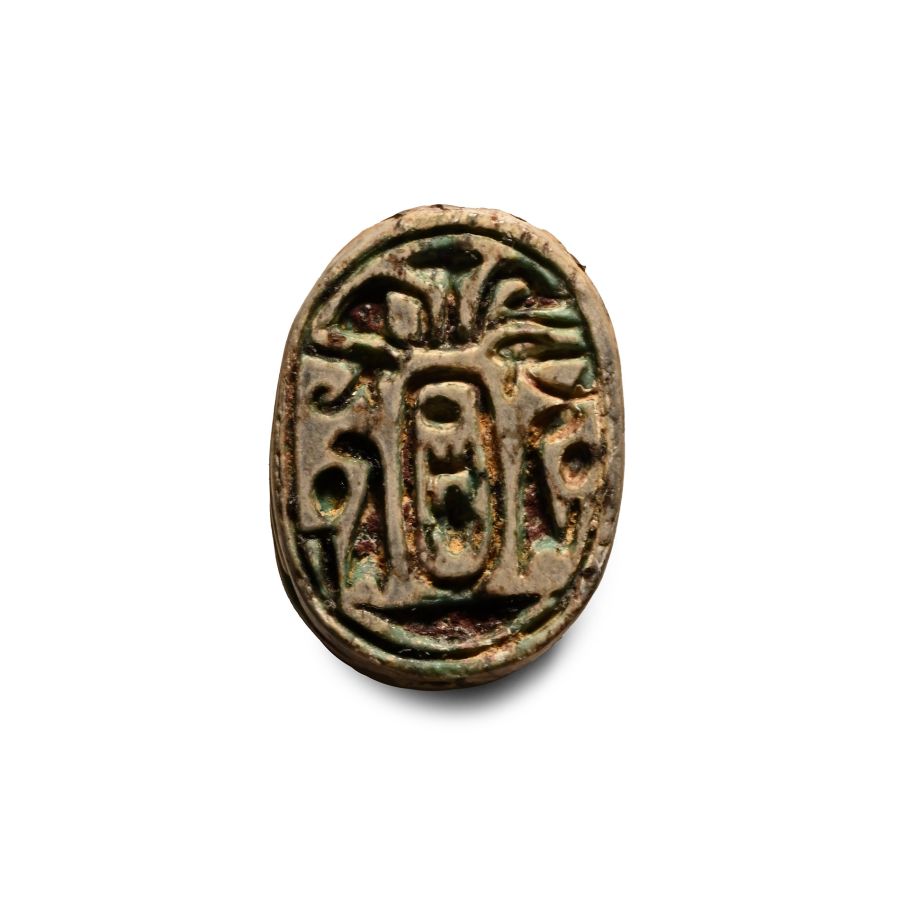
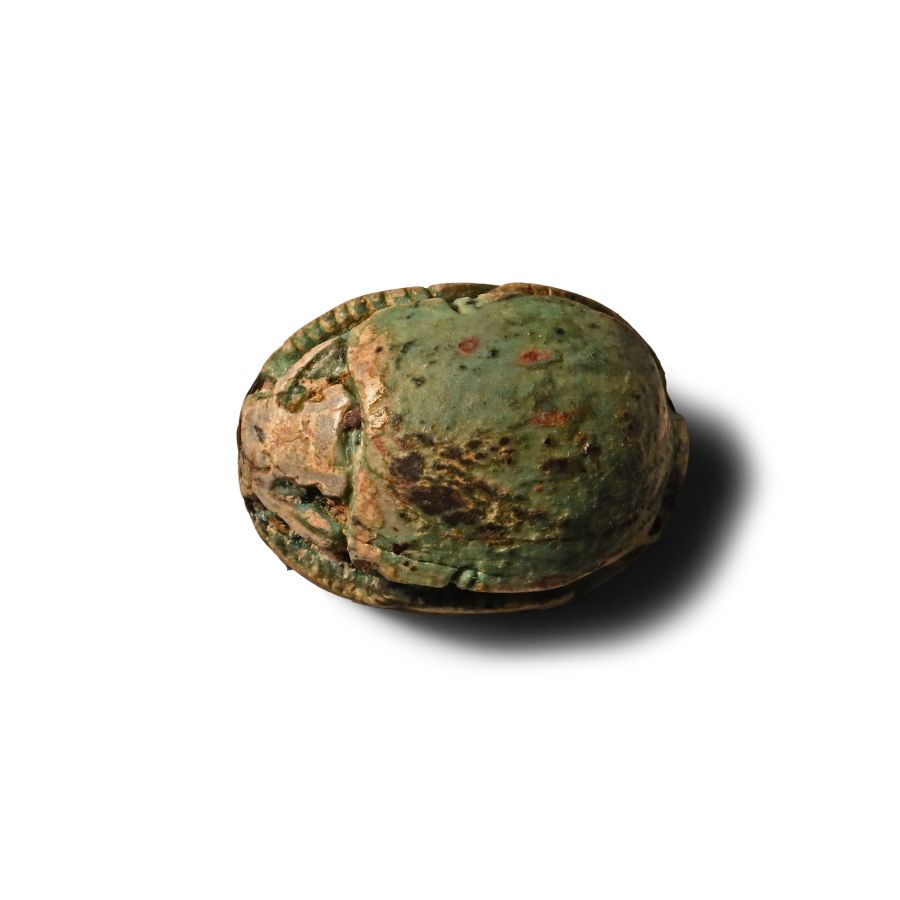
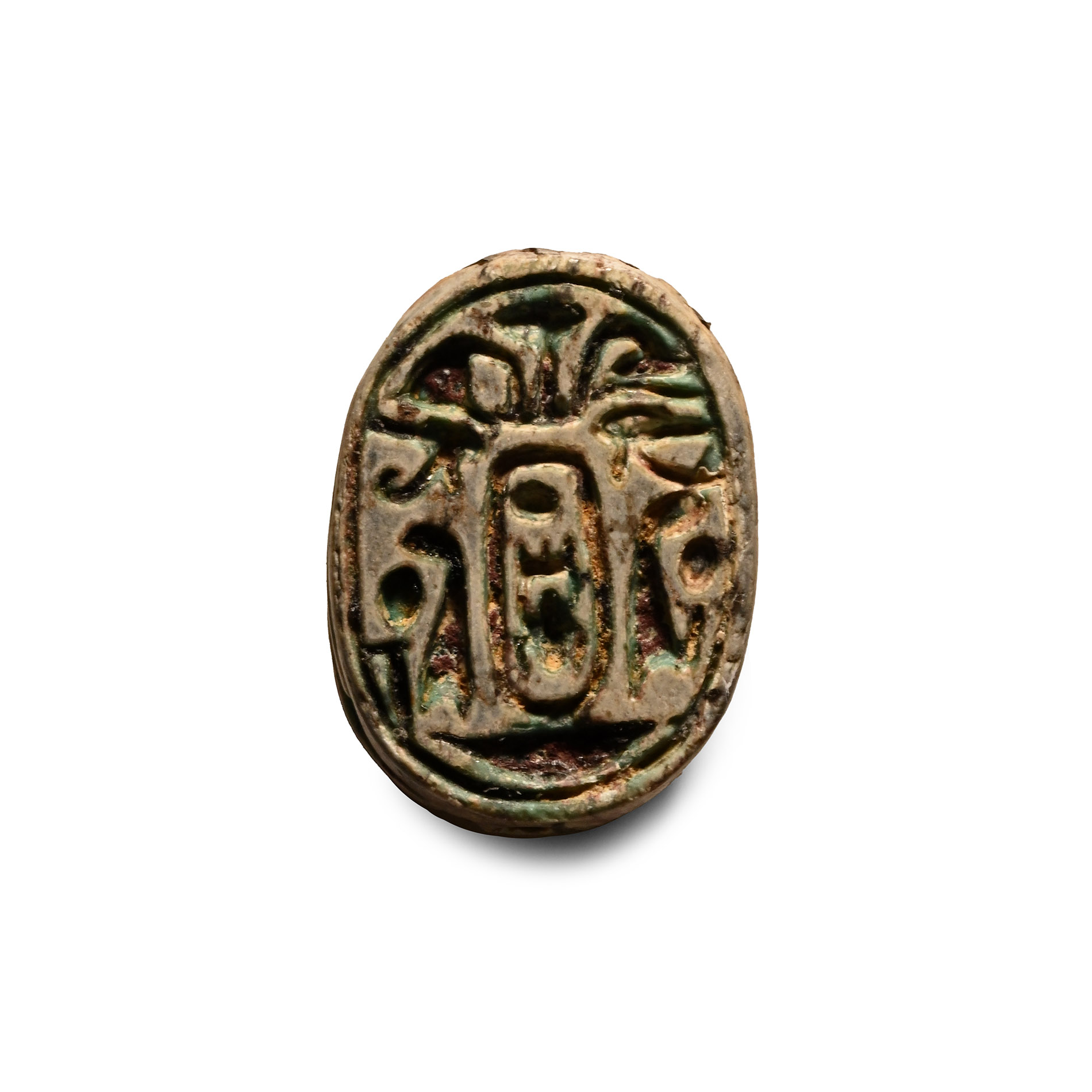
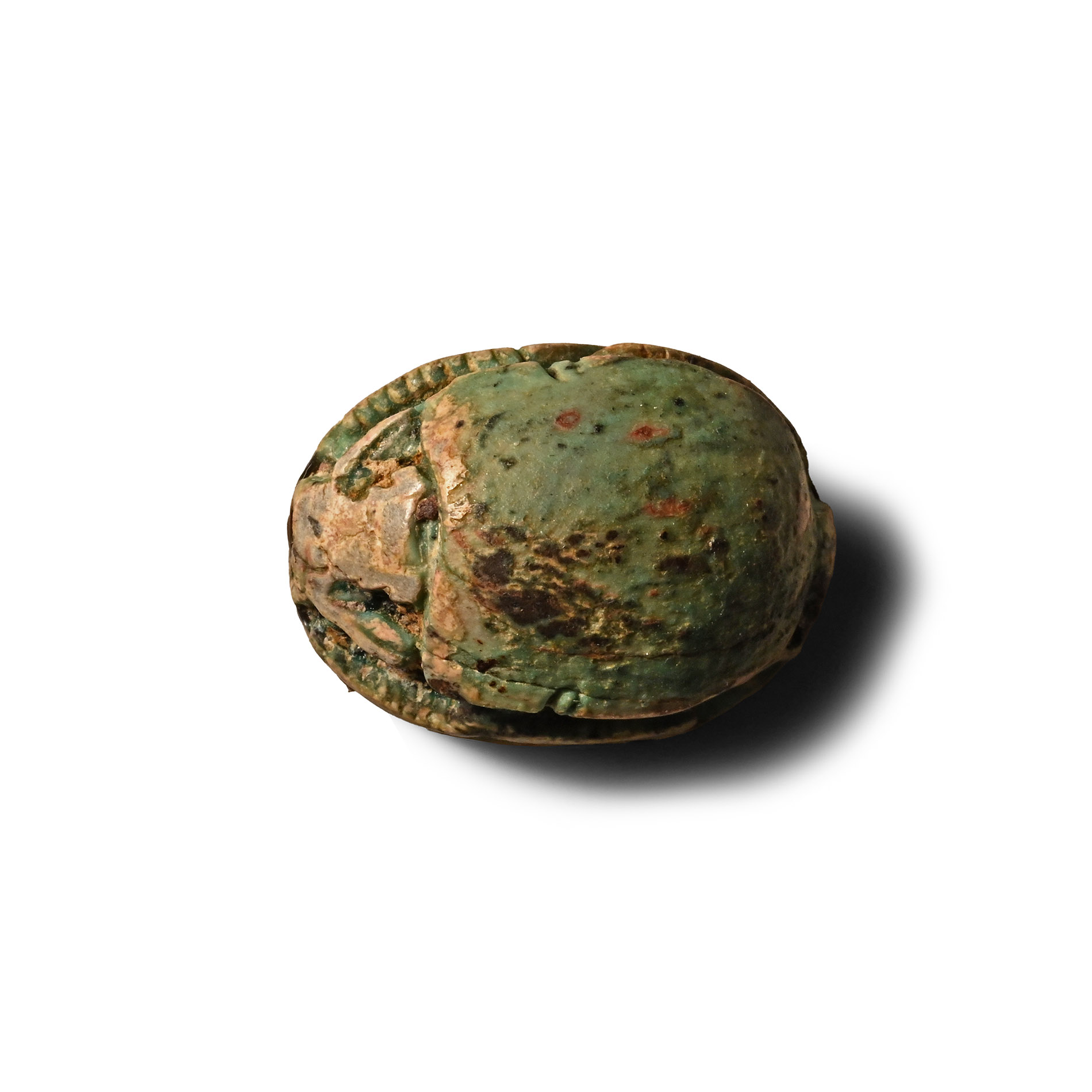
Egyptian Steatite Scarab for Thutmose III
NEW KINGDOM OR LATER, CIRCA 1334-332 B.C.
3/4 in. (3.85 grams, 20 mm).
Underside with cartouche of Pharaoh Thutmose III (Men-kheper-Re).
ProvenanceEx North London gentleman's collection, 1990s.
Property of a Cambridgeshire, UK, gentleman.
Cf. Andrews, C., Amulets of Ancient Egypt, London, 1994, item 58(c), for type.
FootnotesThe popularity of this great Egyptian pharaoh was such that his name appeared on scarabs during his reign and into the Late Period.
CONDITIONTimeLine Auctions follows a vetting process to ensure the authenticity and legality of all items, reinforcing our commitment to integrity and responsible trading. Each antiquity, antique, and coin lot undergoes thorough examination by a vetting committee of at least ten external specialists, professional trade association members, scientists, and archaeologists: Our Vetting Process
AUCTIONS:
TimeLine is a leading auction house specialising in antiquities, ancient art, collectables, natural history, coins, medals, and books. Our auctions offer museums, collectors, historians, and enthusiasts the opportunity to acquire unique and historically significant pieces.
LOT 0052
Egyptian Steatite Scarab for Thutmose III
Estimate £400 - 600€460 - 700 (for guidance only)$540 - 810 (for guidance only)
-
Egyptian Hardstone Pendant with Inscription
Late Period, 664-332 B.C.Sold for (Inc. bp): £46
Teardrop-shaped flat pendant pierced at the broad end, with incised text to both faces. 1.70 grams, 36 mm
From the collection of Doctor Girard, a collector for over 60 years. with Hotel des Ventes de Clermont-Ferrand, 22 May 2017. Property of a French collector. -
Egyptian Carved Stone Scarab
1st millennium B.C.Estimate: £500 - 700 (+bp*)
Opening Bid: £250
With textured carapace and detailed head and legs; underside blank. 159 grams, 63 mm
Acquired on the German art market, 1989-1995. with The Museum Gallery, 19 Bury Place, London, WC1, UK, 1998-2003. Property of a London based academic, 2003-present. -
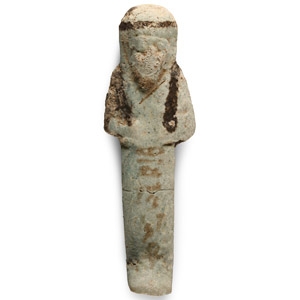
Egyptian Faience Hieroglyphic Shabti For Djed-Bastet-iuef-ankh
Third Intermediate Period, 1069-702 B.C.Sold for (Inc. bp): £156
With pale blue surface and applied black detailing to hair, seed-bag and tools; faint hieroglyphs to lower body giving the dedication 'The Osiris, Djed-Bastet-iuef-ankh'. 18.9 grams, 80 mm
From a UK collection in the 1990s. Property of a Cambridgeshire, UK, gentleman.
