
Loading, please wait...
LOT 0402
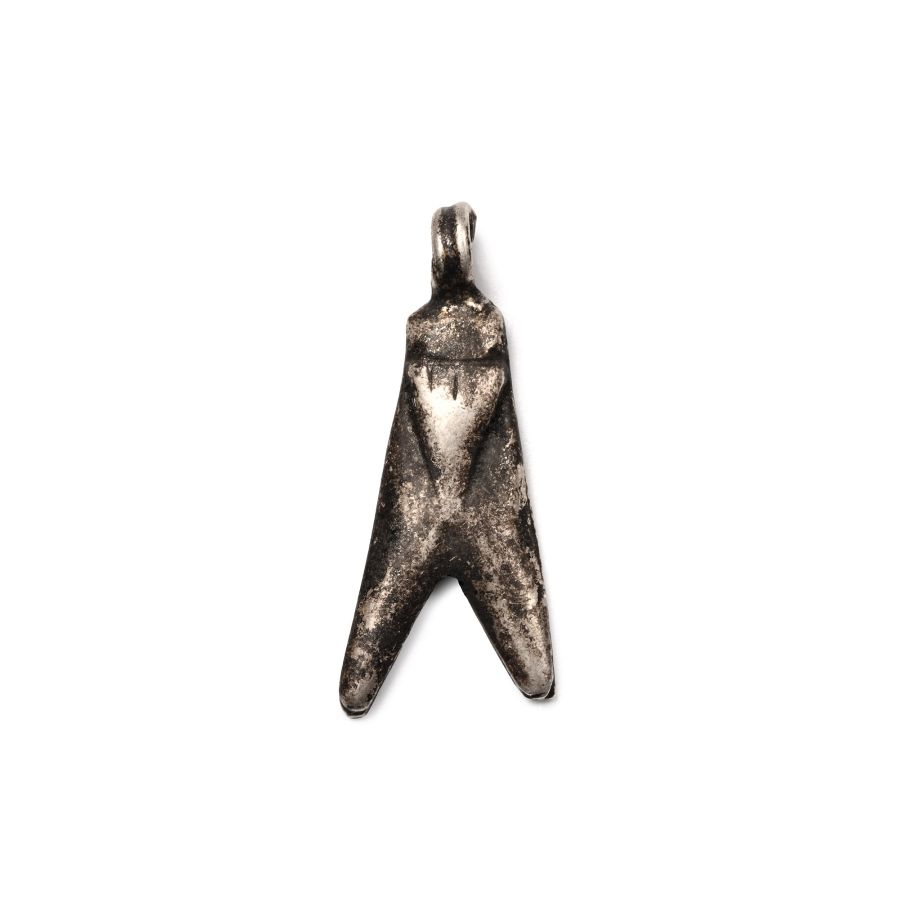
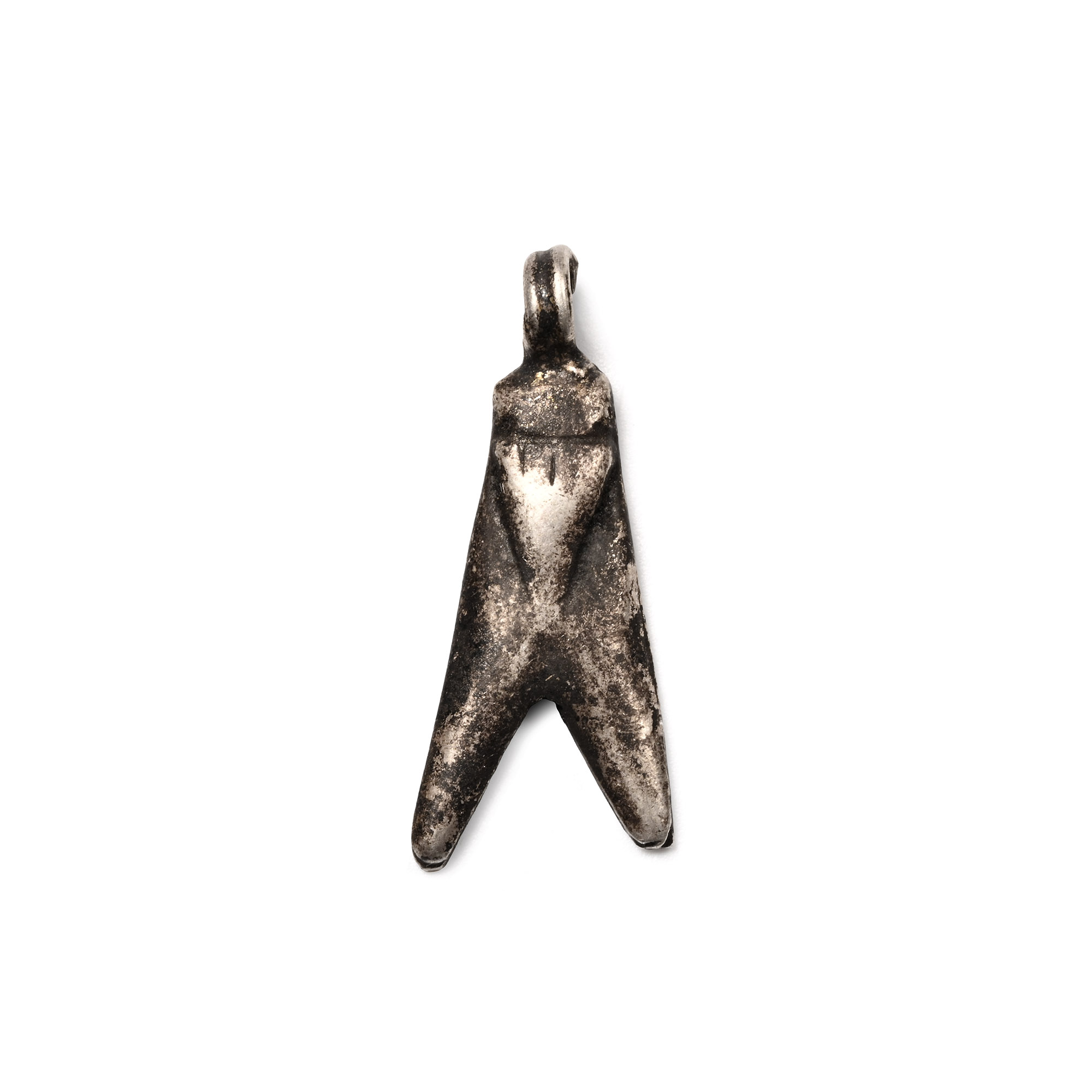
Egyptian Silver Fly Amulet
LATE-PTOLEMAIC PERIOD, 664-30 B.C.
3/4 in. (0.89 grams, 20 mm).
With detailing to wings and eyes, loop for suspension above the head. [No Reserve]
ProvenanceFrom an early 20th century collection.
This lot is accompanied by an illustrated lot declaration signed by the Head of the Antiquities Department, Dr Raffaele D'Amato.
Cf. Andrews, C., Amulets of Ancient Egypt, London, 1994, pp.62-3.
CONDITIONTimeLine Auctions follows a vetting process to ensure the authenticity and legality of all items, reinforcing our commitment to integrity and responsible trading. Each antiquity, antique, and coin lot undergoes thorough examination by a vetting committee of at least ten external specialists, professional trade association members, scientists, and archaeologists: Our Vetting Process
AUCTIONS:
TimeLine is a leading auction house specialising in antiquities, ancient art, collectables, natural history, coins, medals, and books. Our auctions offer museums, collectors, historians, and enthusiasts the opportunity to acquire unique and historically significant pieces.
-
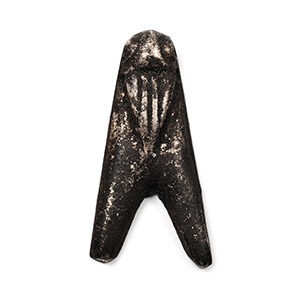
Egyptian Silver Fly Amulet
Late-Ptolemaic Period, 664-30 B.C.Sold for (Inc. bp): £78
With linear detailing to the body, raised eyes, pierced through the head for suspension. 0.82 grams, 17 mm
From an early 20th century collection. This lot is accompanied by an illustrated lot declaration signed by the Head of the Antiquities Department, Dr Raffaele D'Amato.
Egyptian artists often depicted fly whisks with pharaohs and officials, suggesting flies were just nuisances. In reality, Egyptians valued flies for their speed and persistence. Small fly amulets appeared around 3200 B.C. in Naqada II burials, gaining popularity and varying materials during the New Kingdom, including gold, silver, lapis lazuli, carnelian, amethyst, faience, and gemstones. These amulets were thought to protect against insect bites and troublesome creatures via apotropaic magic and possibly symbolised fecundity. Pharaohs awarded gold fly-shaped pendants to honour soldiers' bravery in battle. -
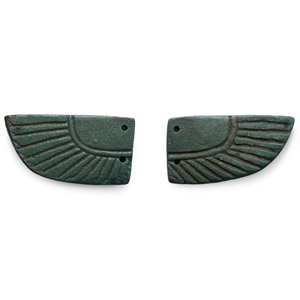
Egyptian Faience Scarab Wing Pair
Late Period, 664-332 B.C.Sold for (Inc. bp): £143
Each flat-section with a band of feathers within the border, two attachment holes. 15 grams total, 43-44 mm
From the private collection of the late Julian Bird, UK, formed since the 1970s. This lot is accompanied by an illustrated lot declaration signed by the Head of the Antiquities Department, Dr Raffaele D'Amato.
These wings were once part of a central scarab amulet. Winged scarabs often served as funerary adornments and were believed to symbolise the rebirth and regeneration of the deceased. -
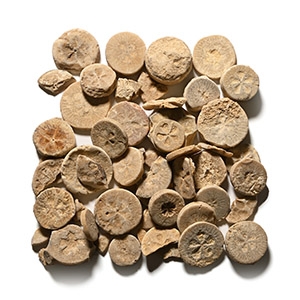
Egyptian Limestone Floral Inlay Group
Roman Period, 30 B.C.-323 A.D. or earlierSold for (Inc. bp): £59
Group of discoid inlay plaques or gaming counters, crinoids with cinquefoil motif; some fragmentary. 49 grams total, 6-17 mm
From a central London ADA dealership, 1980-1990. This lot is accompanied by an illustrated lot declaration signed by the Head of the Antiquities Department, Dr Raffaele D'Amato.
Flowers were symbolic of rebirth due to the daily reopening of their petals after nightfall. As a result, they were widely used in domestic settings, religious and funerary contexts, and as adornments. Similar rosette discs, like those recovered from the Ramesside Period palace at Qantir, were used as decorative elements in royal palaces.
