
Loading, please wait...


LOT 0535
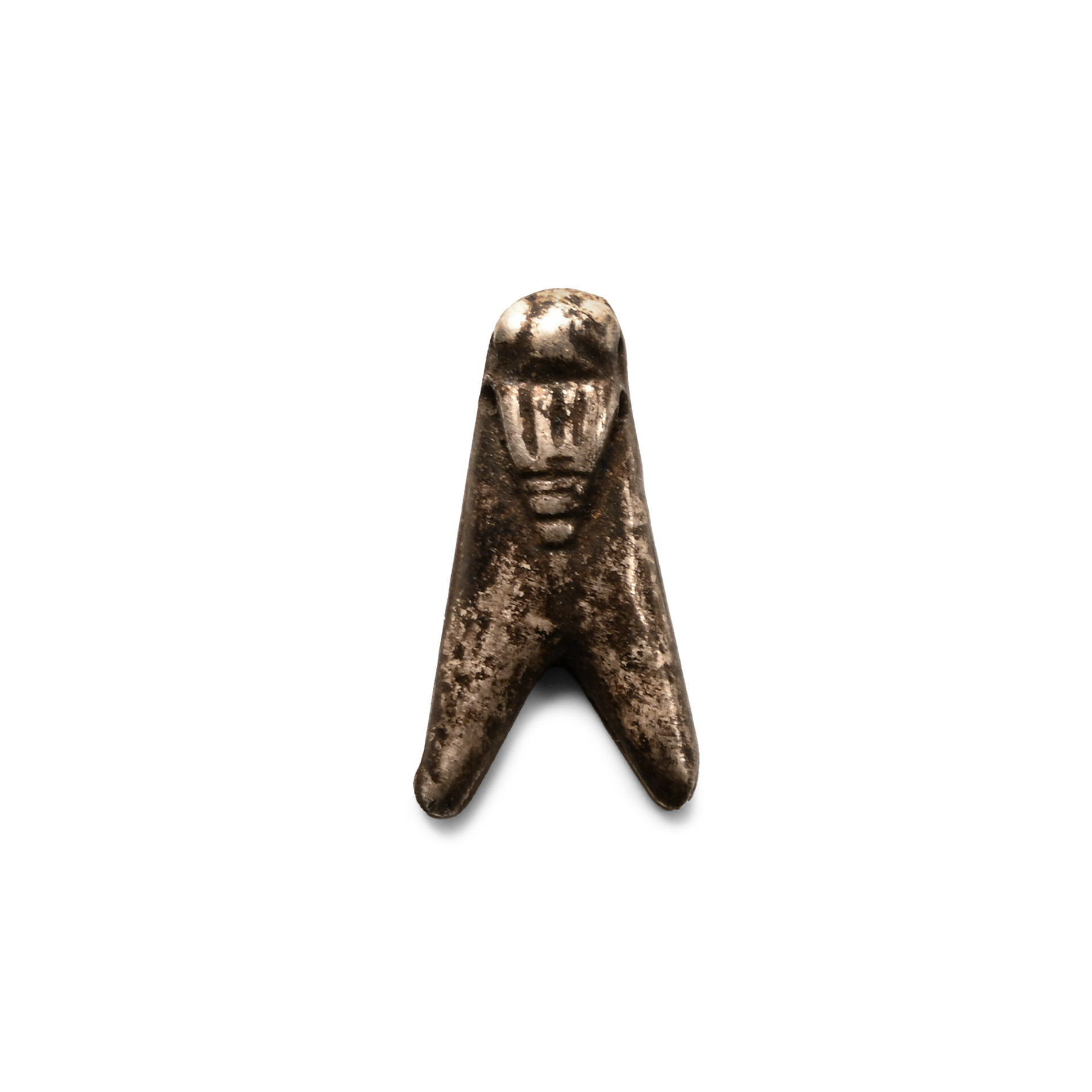
Egyptian Silver Fly Amulet
LATE PERIOD, 664-332 B.C.
5/8 in. (0.84 grams, 16 mm).
Formed as a fly with long triangular wings and domed eyes.
ProvenanceFrom an early 20th century collection.
LiteratureCf. Andrews, C., Amulets of Ancient Egypt, London, 1994, pp.62-3.
FootnotesConsidering Egyptian artists often depicted fly whisks in the hands of pharaohs and high officials, one might assume that flies were simply a nuisance. However, the Egyptians held flies in high regard due to their quick speed, reactions, and persistence. Small fly amulets first appeared in burials during the Naqada II Period, c. 3200 B.C. These amulets grew in popularity, and the materials used to make them expanded during the New Kingdom. They are crafted from various materials such as gold, silver, lapis lazuli, carnelian, amethyst, faience, and bone. These amulets were thought to protect against insect bites and to ward off troublesome flying creatures through apotropaic magic. Some believe they may have even been intended to symbolise the fly’s fecundity. Additionally, pharaohs would bestow gold fly-shaped pendants as military awards to honour soldiers' bravery and fly-like persistence in battle.
CONDITIONTimeLine Auctions follows a vetting process to ensure the authenticity and legality of all items, reinforcing our commitment to integrity and responsible trading. Each antiquity, antique, and coin lot undergoes thorough examination by a vetting committee of at least ten external specialists, professional trade association members, scientists, and archaeologists: Our Vetting Process
AUCTIONS:
TimeLine is a leading auction house specialising in antiquities, ancient art, collectables, natural history, coins, medals, and books. Our auctions offer museums, collectors, historians, and enthusiasts the opportunity to acquire unique and historically significant pieces.
-
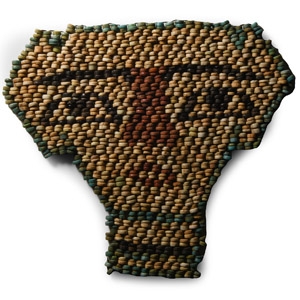
Egyptian Faience Beaded Mummy Mask
Ptolemaic Period, 332-30 B.C.Sold for (Inc. bp): £234
Restrung netted beadwork panel of annular and tubular glazed composition beads in blues, greens, black, cream and red-brown colours, depicting a mummy face mask with false beard. 67 grams, 16 cm
Ex Mariaud de Serres, Paris, France, 1990s. From a London, UK, collection. -
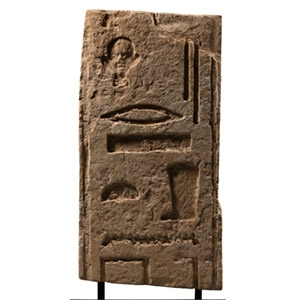
Egyptian Limestone Relief Fragment
Old Kingdom, 2686-2181 B.C.Sold for (Inc. bp): £3,380
Rectangular panel carved in sunk relief with vertical borders framing a portion of hieroglyphic inscription ...ḥry sštꜢ n..., '...keeper of secrets of...'. 6.79 kg total, 50.5 cm high including stand
Reputedly acquired by a private collector in 1936. Ex Ian Colverson Collection, UK (1940-2022). This lot has been checked against the Interpol Database of stolen works of art and is accompanied by search certificate number no.12196-222436.
The relief is most likely a fragment of a vertical inscription from a false door of an Old Kingdom tomb chapel. The complete inscription was probably an offering formula followed by a list of the tomb owner's titles. The 'keeper of secrets' is a priestly title indicating that one of his roles was as an embalmer. -
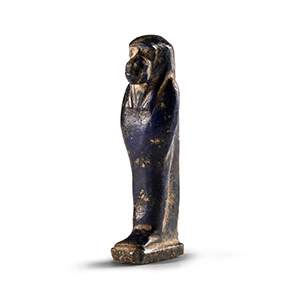
Egyptian Lapis Lazuli Son of Horus Amulet
Late Period, 664-332 B.C.Sold for (Inc. bp): £715
Carved amulet of the baboon-headed mummiform figure of Hapy shown standing with dorsal pillar, pierced for suspension. 2.52 grams, 28 mm
Private collection of Mr S.A., Switzerland, 1990s, thence by descent.
The Four Sons of Horus were deities responsible for protecting the internal organs of the deceased. The baboon-headed Hapy protected the lungs.
