
Loading, please wait...
LOT 0455
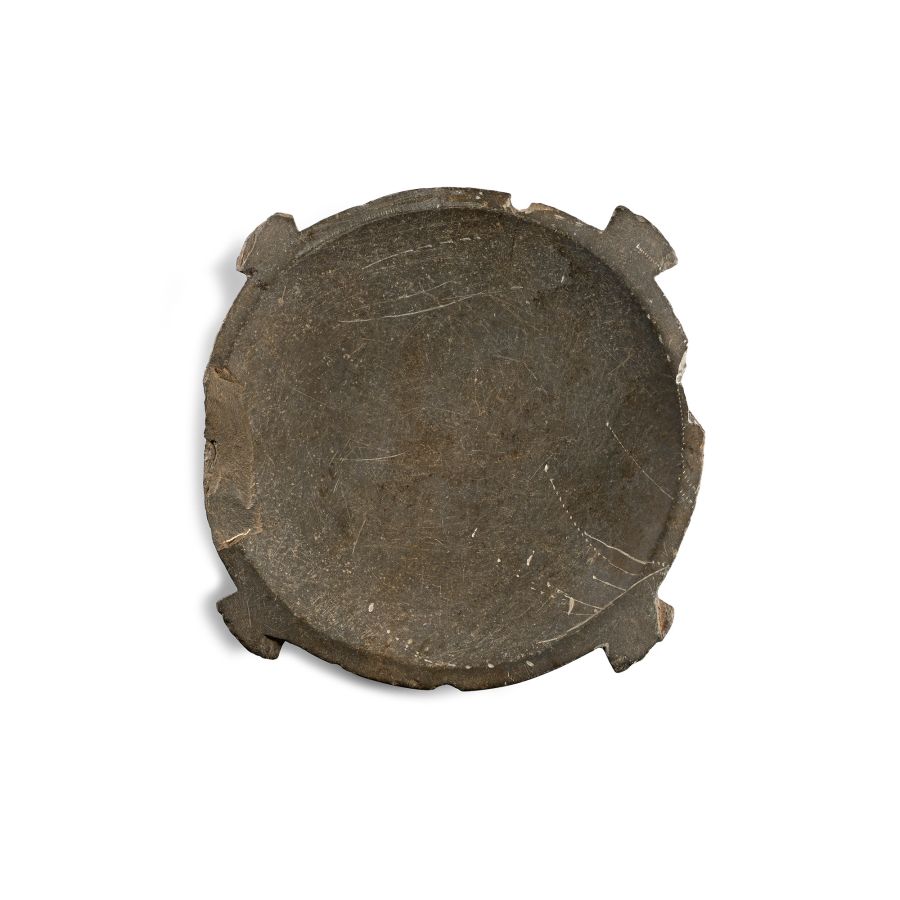
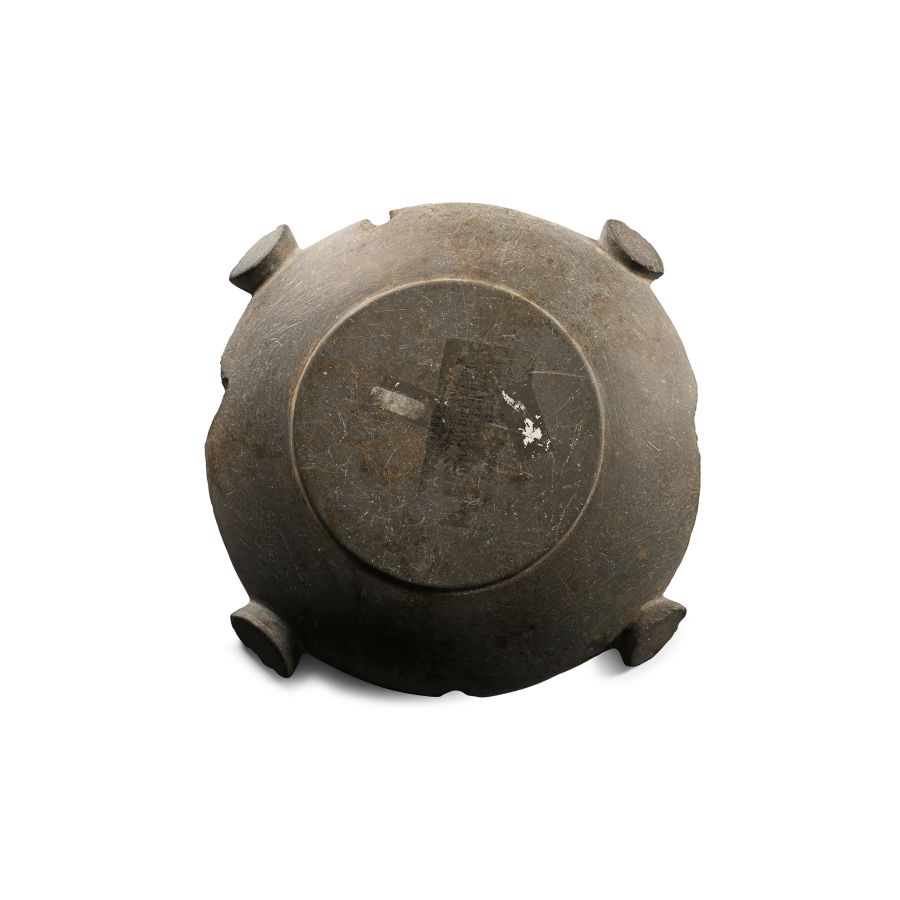
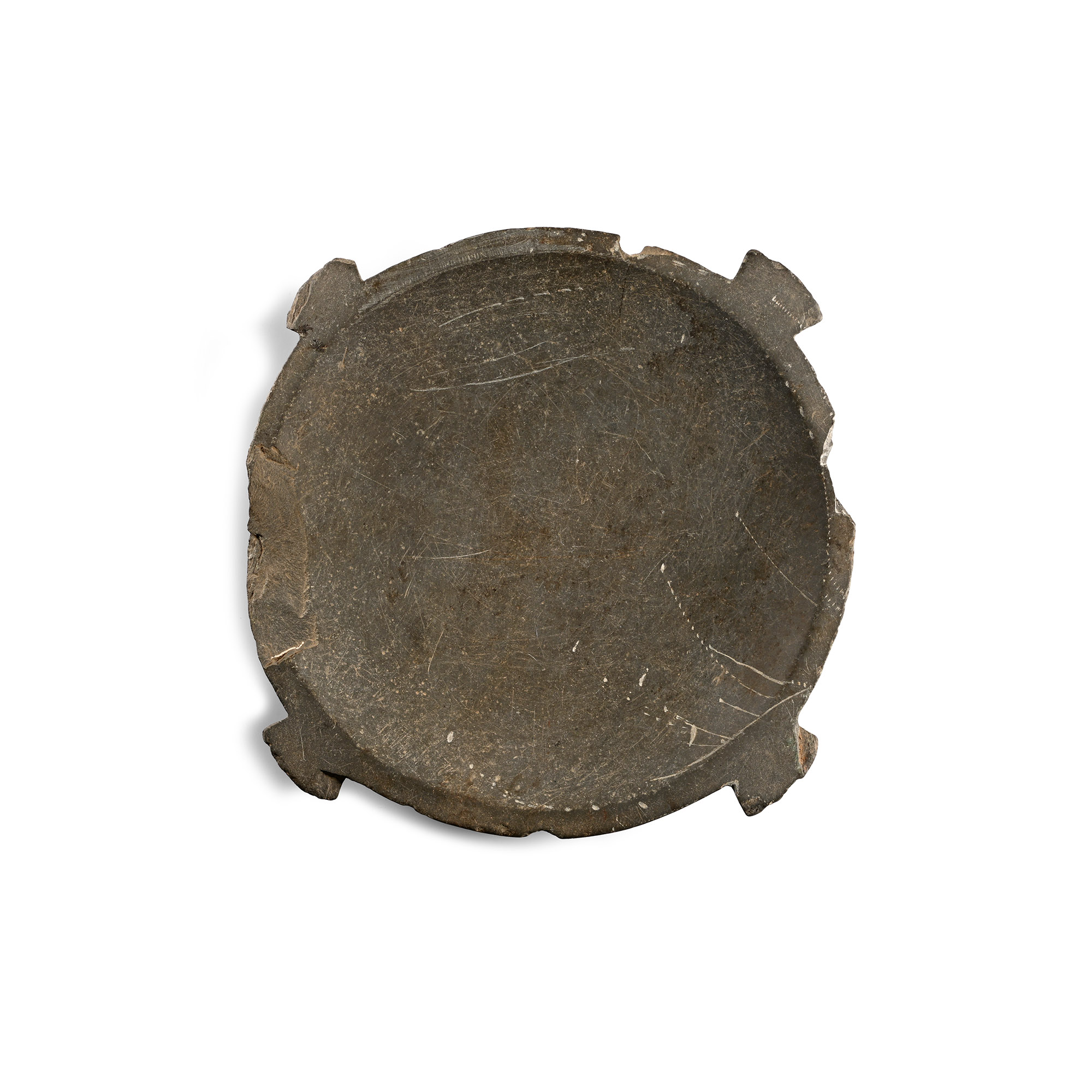
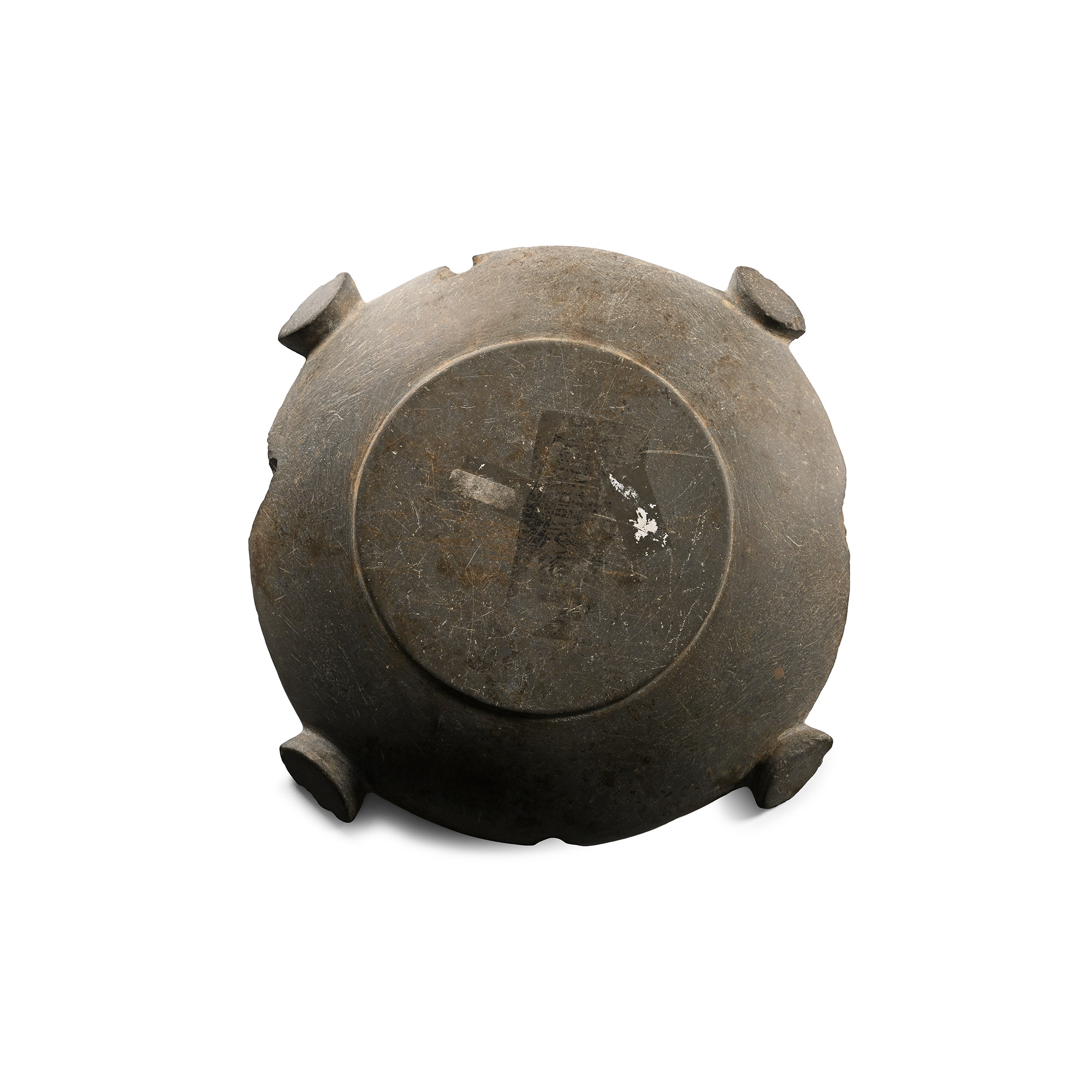
Egyptian Schist Plate
PTOLEMAIC PERIOD, 323-30 B.C.
6 1/2 in. (450 grams, 16.4 cm).
Discoid palette with rounded underside and flat base, dished central field, flat rim with four radiating trapezoidal projections.
ProvenanceAcquired in the mid 1980s-1990s.
Private collection, Switzerland, thence by descent.
Private collection, since the late 1990s.
Accompanied by a copy of an Art Loss Register certificate no.S00038135.
This lot is accompanied by an illustrated lot declaration signed by the Head of the Antiquities Department, Dr Raffaele D'Amato.
TimeLine Auctions follows a vetting process to ensure the authenticity and legality of all items, reinforcing our commitment to integrity and responsible trading. Each antiquity, antique, and coin lot undergoes thorough examination by a vetting committee of at least ten external specialists, professional trade association members, scientists, and archaeologists: Our Vetting Process
AUCTIONS:
TimeLine is a leading auction house specialising in antiquities, ancient art, collectables, natural history, coins, medals, and books. Our auctions offer museums, collectors, historians, and enthusiasts the opportunity to acquire unique and historically significant pieces.
LOT 0455
Egyptian Schist Plate
Estimate £800 - 1,000€930 - 1,160 (for guidance only)$1,080 - 1,350 (for guidance only)
-
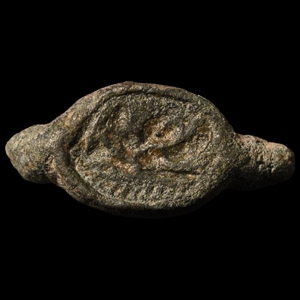
Phoenician Inscribed Bronze Scaraboid Seal
Late 1st millennium B.C.Estimate: £100 - 140 (+bp*)
Opening Bid: £50
With ribbed loop and ellipsoid face, gryphon motif. 10.9 grams, 26 mm wide
Ex London, UK, gentleman, 1990. This lot is accompanied by an illustrated lot declaration signed by the Head of the Antiquities Department, Dr Raffaele D'Amato. -
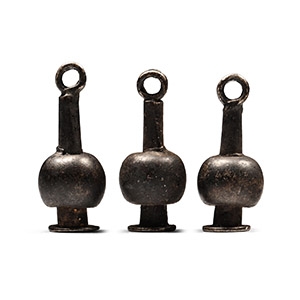
Egyptian Silver Poppy Amulet Group
Late-Ptolemaic Period, 664-30 B.C.Sold for (Inc. bp): £91
Three pendants each with poppy-head and loop at the apex. 3.67 grams total, 17-19 mm
From an early 20th century collection. This lot is accompanied by an illustrated lot declaration signed by the Head of the Antiquities Department, Dr Raffaele D'Amato.
Amulets in the form of poppies were used to heal and alleviate pain and to ward off death. These types of amulets were also linked to Osiris, the Egyptian deity of agriculture, death, and the afterlife. -
.jpg)
Large Egyptian Faience Thoth as a Baboon Amulet
Late Period, 664-332 B.C.Estimate: £1,500 - 2,000 (+bp*)
Opening Bid: £750
Modelled in the round as the god in baboon-form crouching holding a wedjat-eye in his forepaws; ribbed suspension loop on back; mounted on a custom-made stand. 31.51 grams total, 80 mm including stand
Ex private UK, collection formed since the 1960s. This lot has been cleared against the Art Loss Register database, and is accompanied by an illustrated lot declaration signed by the Head of the Antiquities Department, Dr Raffaele D'Amato.
