
Loading, please wait...
LOT 0014
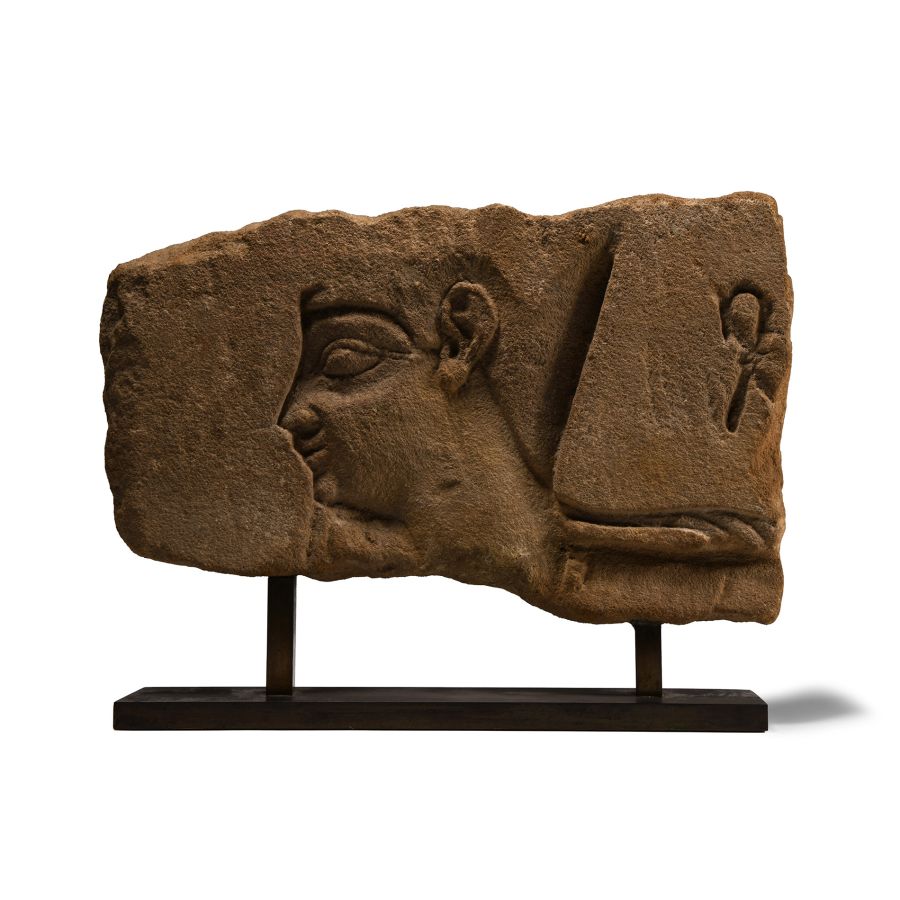
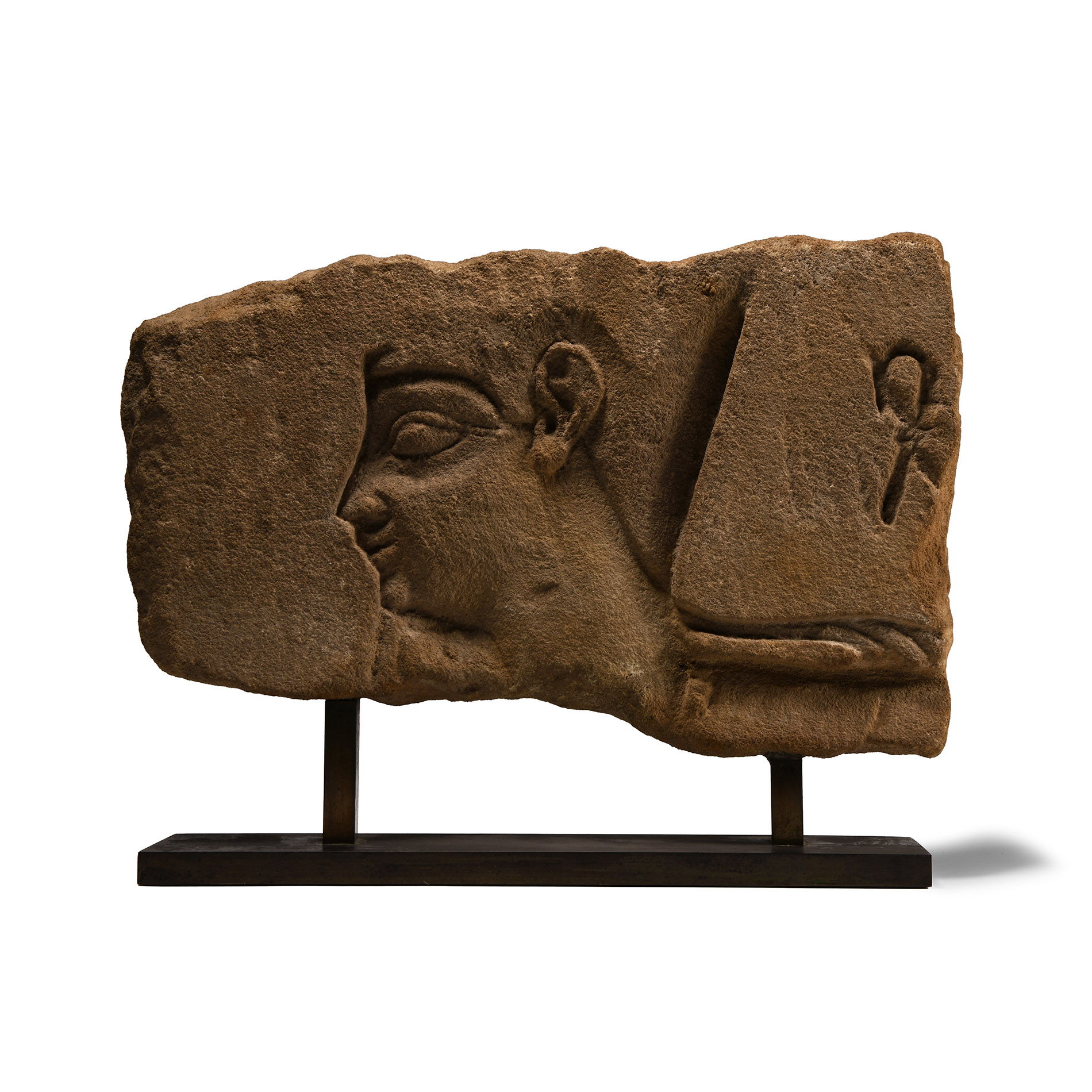
Egyptian Sandstone Relief
LATE PERIOD OR PTOLEMAIC PERIOD, 664-31 B.C.
10 5/8 in. (2.8 kg total, 27 cm wide).
Rectangular frieze fragment with low-relief profile bust wearing the double crown; sa symbol (of protection) to the rear; mounted on a custom-made stand.
ProvenanceFrom Galerie Orient-Occident, Paris, France.
with Cahn Auctions, 19 October 2002, no.527.
From the Keane private collection, Kent, UK.
This lot has been checked against the Interpol Database of stolen works of art and is accompanied by a search certificate number no.12077-216770.
Cf. Tomoum, N., The Sculptors’ Models of the Late and Ptolemaic Periods, Cairo, 2005, pl. 42 d.
FootnotesPossibly a sculptor's trial piece or model.
CONDITIONTimeLine Auctions follows a vetting process to ensure the authenticity and legality of all items, reinforcing our commitment to integrity and responsible trading. Each antiquity, antique, and coin lot undergoes thorough examination by a vetting committee of at least ten external specialists, professional trade association members, scientists, and archaeologists: Our Vetting Process
AUCTIONS:
TimeLine is a leading auction house specialising in antiquities, ancient art, collectables, natural history, coins, medals, and books. Our auctions offer museums, collectors, historians, and enthusiasts the opportunity to acquire unique and historically significant pieces.
LOT 0014
Egyptian Sandstone Relief
Estimate £4,000 - 6,000€4,640 - 6,960 (for guidance only)$5,400 - 8,100 (for guidance only)
-
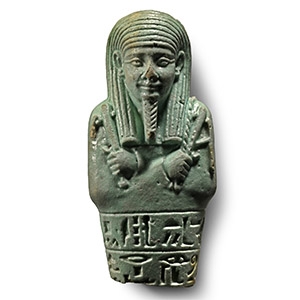
Egyptian Blue Glazed Hieroglyphic Shabti Fragment
Saite Period, 26th Dynasty, 664-525 B.C.Sold for (Inc. bp): £1,820
Pale blue composition with detailed texture to the headcloth, pick and hoe held at the shoulders with cord supporting the seed bag over the shoulder; the lower body with two bands of crisp hieroglyphic text remaining. 96 grams, 90 mm
Acquired on the German art market, 1989-1995. with The Museum Gallery, 19 Bury Place, London, WC1, UK, 1998-2003. Property of a London based academic, 2003-present.
Although the individual's name is lost, his titles: 'member of the elite' and 'mayor/prince/governor', indicate his high status. -
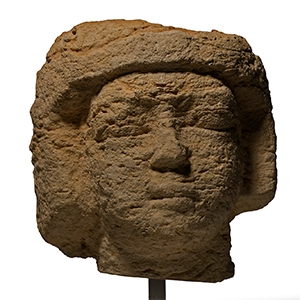
Egyptian Limestone Male Head Fragment
Old Kingdom, 4th-early 5th Dynasty, circa 2640-2480 B.C.Sold for (Inc. bp): £3,380
Wearing a short wig, the eyes with incised cosmetic lines; mounted on a custom-made display stand. 4.58 kg total, 26.5 cm including stand
with Sotheby's, London, 5 July 1982, no.190. with Sotheby's, London, 13-14 December 1990, no.18. Acquired from the above sale by the late Robert Browne. Property of Ms L.F., London, UK. Accompanied by a copy of an Art Loss Register certificate no.S00243674. This lot has been checked against the Interpol Database of stolen works of art and is accompanied by a search certificate number no.12073-217362. -
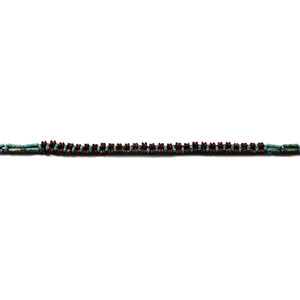
Egyptian Faience Mummy Bead Necklace
Late New Kingdom, 1295-1069 B.C.Estimate: £400 - 600 (+bp*)
Opening Bid: £200
Restrung designer necklace using tubular green-glazed beads in a double row, interspersed with small two-holed beads; the central feature a net-like composition of small brown and blue-glazed ring-shaped beads. 9.54 grams, 46 cm long
By repute, 'Excavated at Gurob by Prof. Flinders Petrie. From a quantity of beadwork taken from the neck of a mummy'. Ex 1920s UK collection.
