
Loading, please wait...
LOT 0529
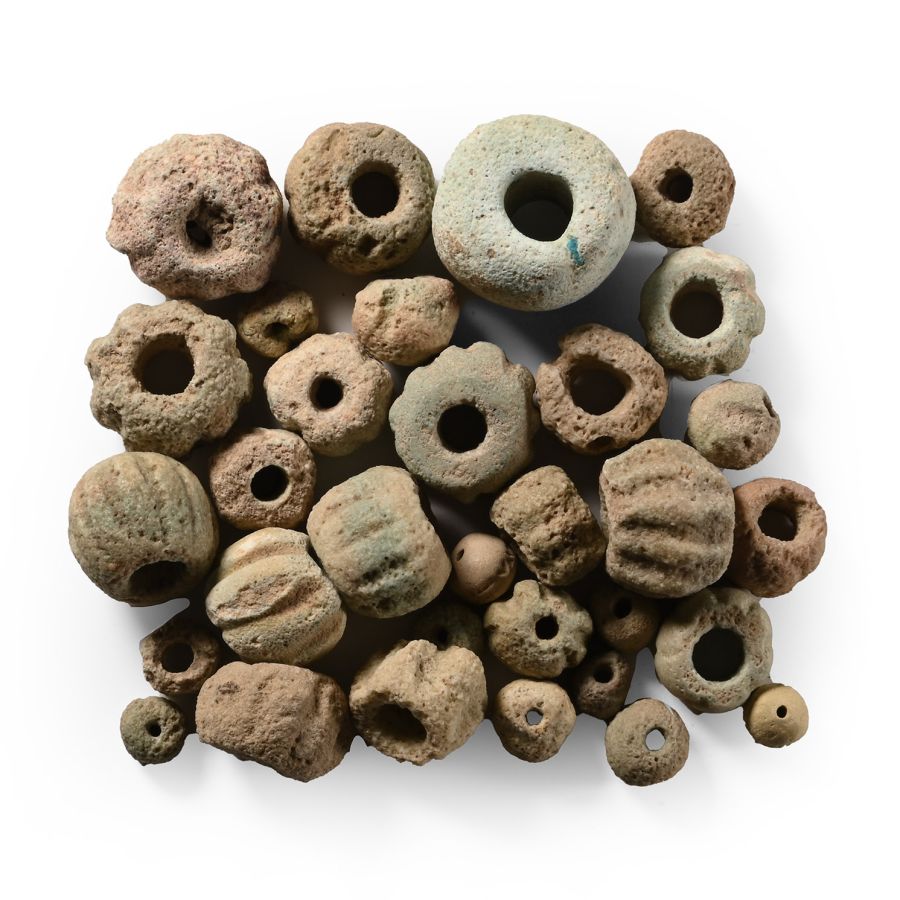
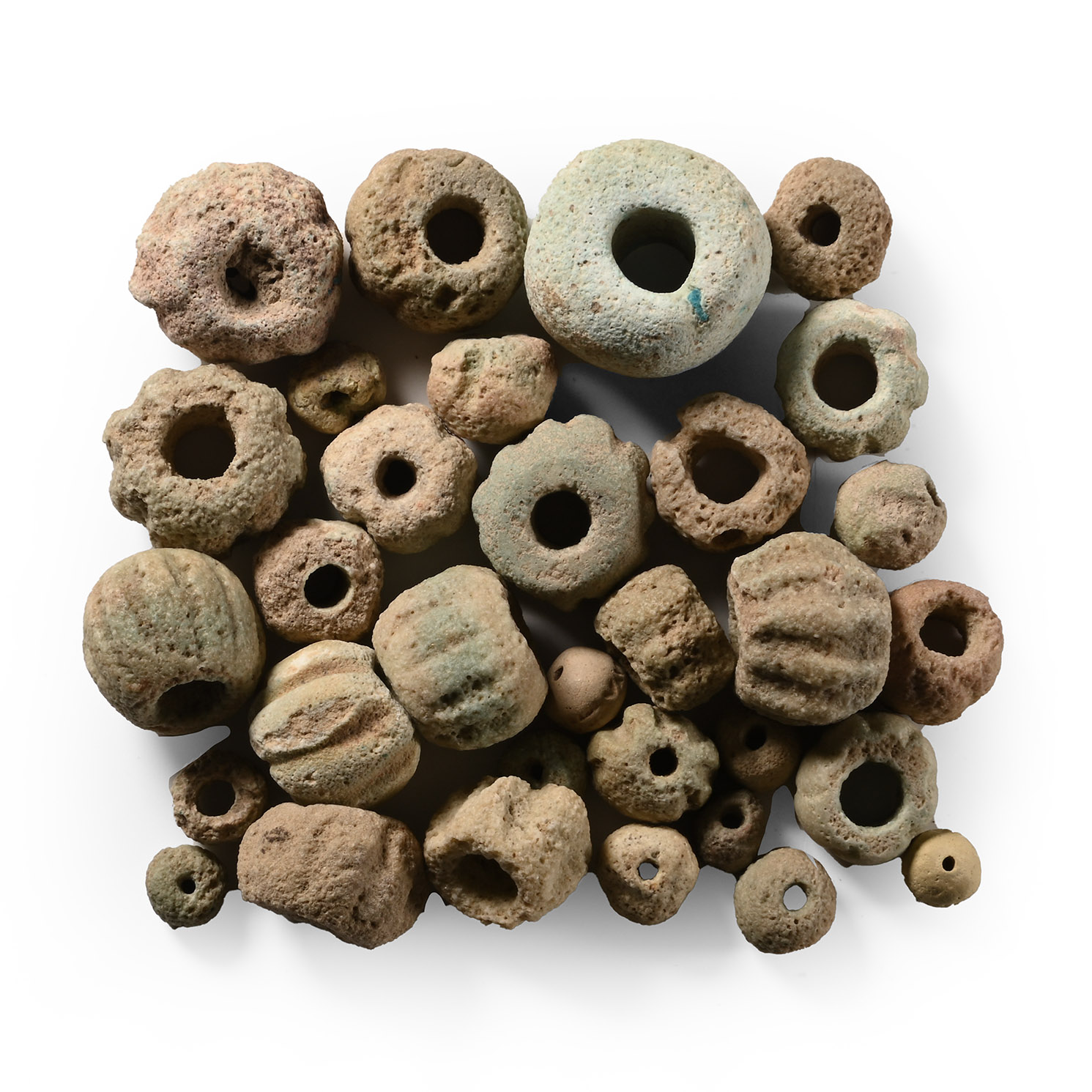
Egyptian Pottery Necklace Bead Group
ROMAN PERIOD, 30 B.C.-323 A.D.
1/4 - 3/4 in. (39.4 grams total, 6-18 mm).
Comprising a group of modelled unglazed pottery grooved melon beads some faience. [32, No Reserve]
ProvenanceEx London, UK, collection, 1990s.
CONDITIONTimeLine Auctions follows a vetting process to ensure the authenticity and legality of all items, reinforcing our commitment to integrity and responsible trading. Each antiquity, antique, and coin lot undergoes thorough examination by a vetting committee of at least ten external specialists, professional trade association members, scientists, and archaeologists: Our Vetting Process
AUCTIONS:
TimeLine is a leading auction house specialising in antiquities, ancient art, collectables, natural history, coins, medals, and books. Our auctions offer museums, collectors, historians, and enthusiasts the opportunity to acquire unique and historically significant pieces.
-
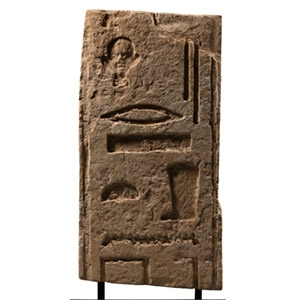
Egyptian Limestone Relief Fragment
Old Kingdom, 2686-2181 B.C.Sold for (Inc. bp): £3,380
Rectangular panel carved in sunk relief with vertical borders framing a portion of hieroglyphic inscription ...ḥry sštꜢ n..., '...keeper of secrets of...'. 6.79 kg total, 50.5 cm high including stand
Reputedly acquired by a private collector in 1936. Ex Ian Colverson Collection, UK (1940-2022). This lot has been checked against the Interpol Database of stolen works of art and is accompanied by search certificate number no.12196-222436.
The relief is most likely a fragment of a vertical inscription from a false door of an Old Kingdom tomb chapel. The complete inscription was probably an offering formula followed by a list of the tomb owner's titles. The 'keeper of secrets' is a priestly title indicating that one of his roles was as an embalmer. -
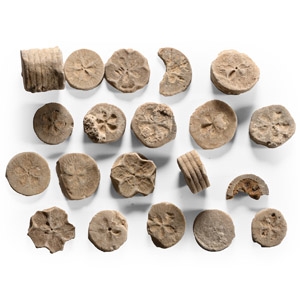
Egyptian Limestone 'Floral' Inlay Group
Roman Period, 30 B.C.-323 A.D. or earlierSold for (Inc. bp): £26
Group of discoid inlay plaques or gaming counters, crinoids with cinquefoil motif. 35 grams total, 14-18 mm
From a central London ADA dealership, 1980-1990.
Flowers were symbolic of rebirth due to the daily reopening of their petals after nightfall. As a result, they were widely used in domestic settings, religious and funerary contexts, and as adornments. Similar rosette discs, like those recovered from the Ramesside Period palace at Qantir, were used as decorative elements in royal palaces. -
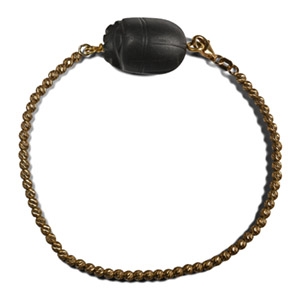
Egyptian Hardstone Scarab in Gold Bracelet
Late Period, 664-332 B.C. and laterSold for (Inc. bp): £572
Scarab, plano-convex in section with incised carapace and leg detailing, stylised djed pillar to the underside; mounted in a 20th-century gold bracelet. 12.30 grams, 22.5 cm
From the private collection of the late Mrs Belinda Ellison, long time member of the Egyptian Exploration Society, c.1940-2020.
