
Loading, please wait...
LOT 0023
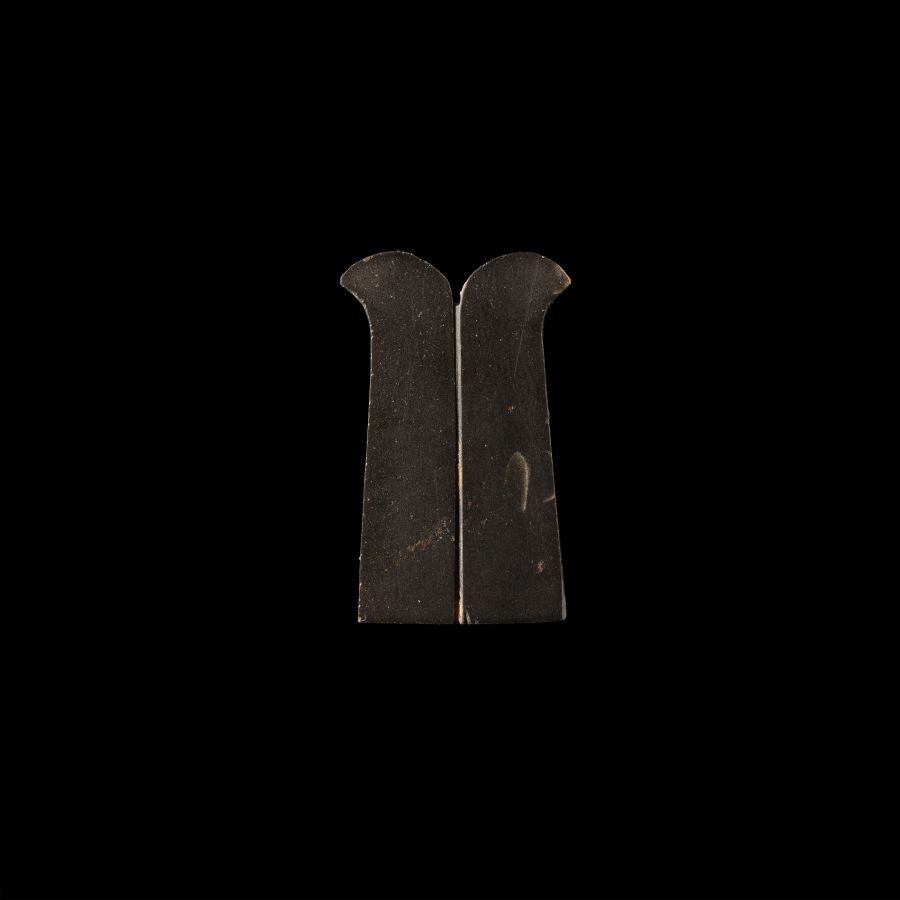
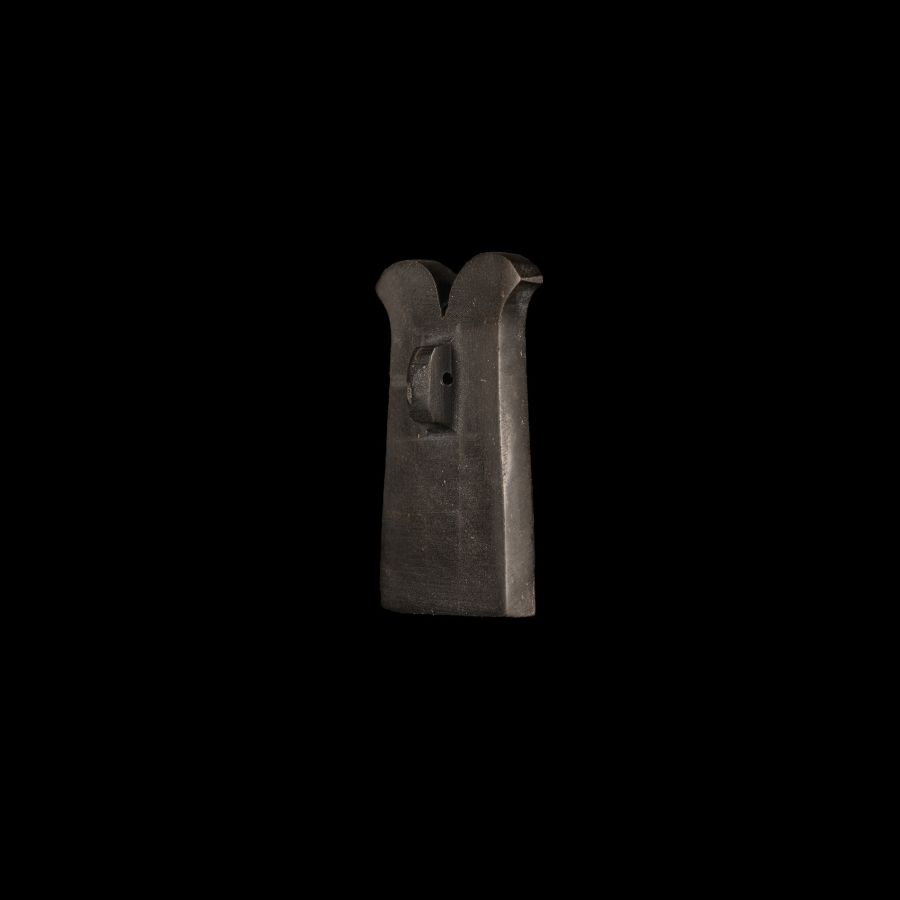
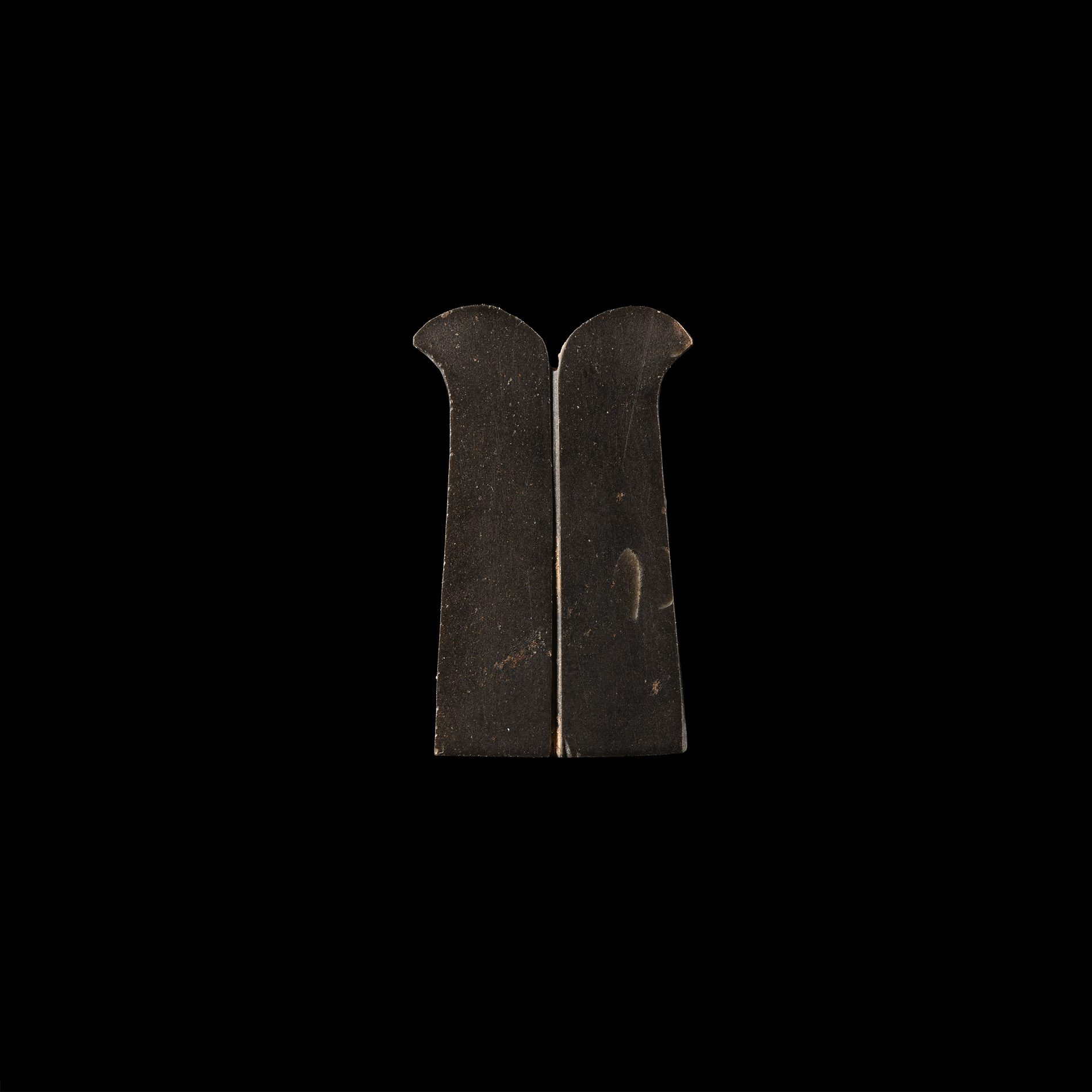
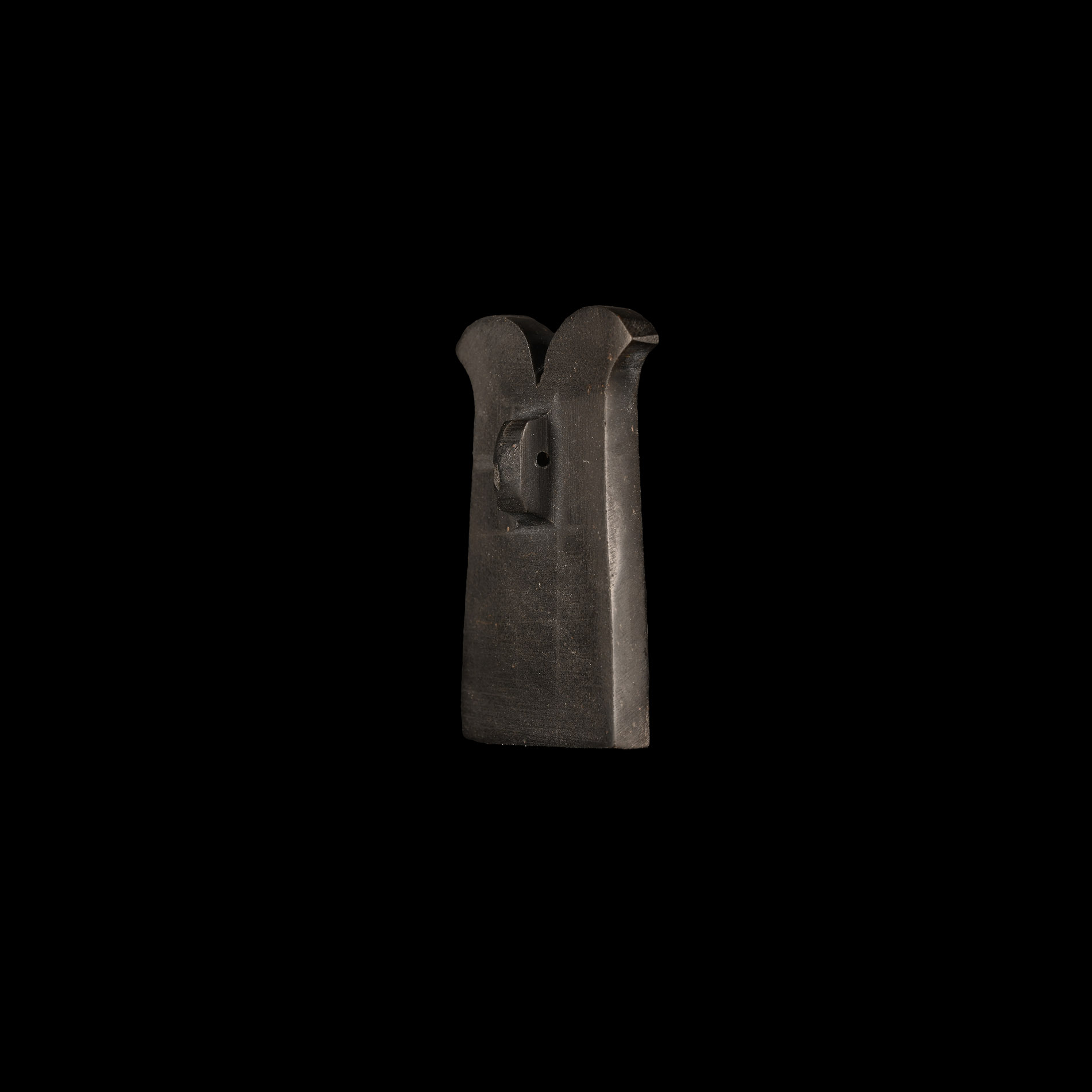
Egyptian Polished Black Stone Pesesh-Kef Amulet
LATE PERIOD, 664-332 B.C.
1 1/8 in. (3.75 grams, 29 mm).
Ostrich feathers of Amun, delineated with a single vertical groove and curved tips; integral suspension loop to reverse; likely obsidian or basalt.
ProvenanceFrom an early 20th century collection, Home Counties, UK, 1930-1940s.
LiteratureCf. Petrie, W.M.F., Amulets, London, 1914, pl.IV c and d, for similar.
FootnotesThe Pesesh-kef was a 'magical' ritual implement used in the ancient Egyptian Opening of the Mouth ceremony, which may have represented an implement used to cut umbilical cords. During the Opening of the Mouth ritual, priests held the implement to the mouth of a cult statue or mummy, allowing it to receive offerings.
CONDITIONTimeLine Auctions follows a vetting process to ensure the authenticity and legality of all items, reinforcing our commitment to integrity and responsible trading. Each antiquity, antique, and coin lot undergoes thorough examination by a vetting committee of at least ten external specialists, professional trade association members, scientists, and archaeologists: Our Vetting Process
AUCTIONS:
TimeLine is a leading auction house specialising in antiquities, ancient art, collectables, natural history, coins, medals, and books. Our auctions offer museums, collectors, historians, and enthusiasts the opportunity to acquire unique and historically significant pieces.
LOT 0023
Egyptian Polished Black Stone Pesesh-Kef Amulet
Estimate £600 - 800€700 - 930 (for guidance only)$810 - 1,080 (for guidance only)
-
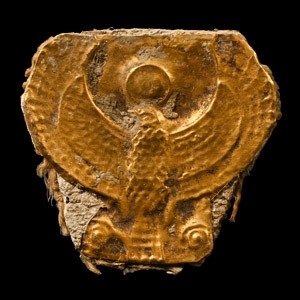
Egyptian Gold Repousse Pharaonic Falcon with Original Linen and Plaster Backing
Circa 500 B.C.Sold for (Inc. bp): £1,430
From mummy wrappings, Horus falcon with spread wings wearing a sun disc and gripping a shen symbol in each claw; applied to a woven fabric backing; held in a membranous display frame. 25 grams total, 70 x 70 mm including case
From a Spanish collection, formerly with a German dealership in the 1980s.
Similar in form to the elaborate inlaid gold pectoral discovered in the tomb of Tutankhamun, for which see Andrews, C., Ancient Egyptian Jewellery, p.134, no. 117. -
.jpg)
Egyptian Glass Inlay Collection
Circa 1st century B.C.-2nd century A.D.Estimate: £120 - 170 (+bp*)
Opening Bid: £60
Comprising sixteen drawn inlays of various colour combinations. 12 grams total, 12-39 mm
Fine condition.
Ex N.A. collection, 1970s. Kept in the U.K. since 2007. -
.jpg)
Egyptian Black Hardstone Scarab with Ankh
Late New Kingdom, circa 1070 B.C.Sold for (Inc. bp): £845
Carved with stylised features and the base carved with a scarab beetle flanked by two ankh symbols and a ra sign beneath; drilled for suspension. 2.71 grams, 18 mm
Acquired 1969-1999. From the private collection of the late Mr S.M., London, UK, thence by descent.
