Loading, please wait...

Use mousewheel to zoom in and out, click to enlarge

Details

LOT 0471

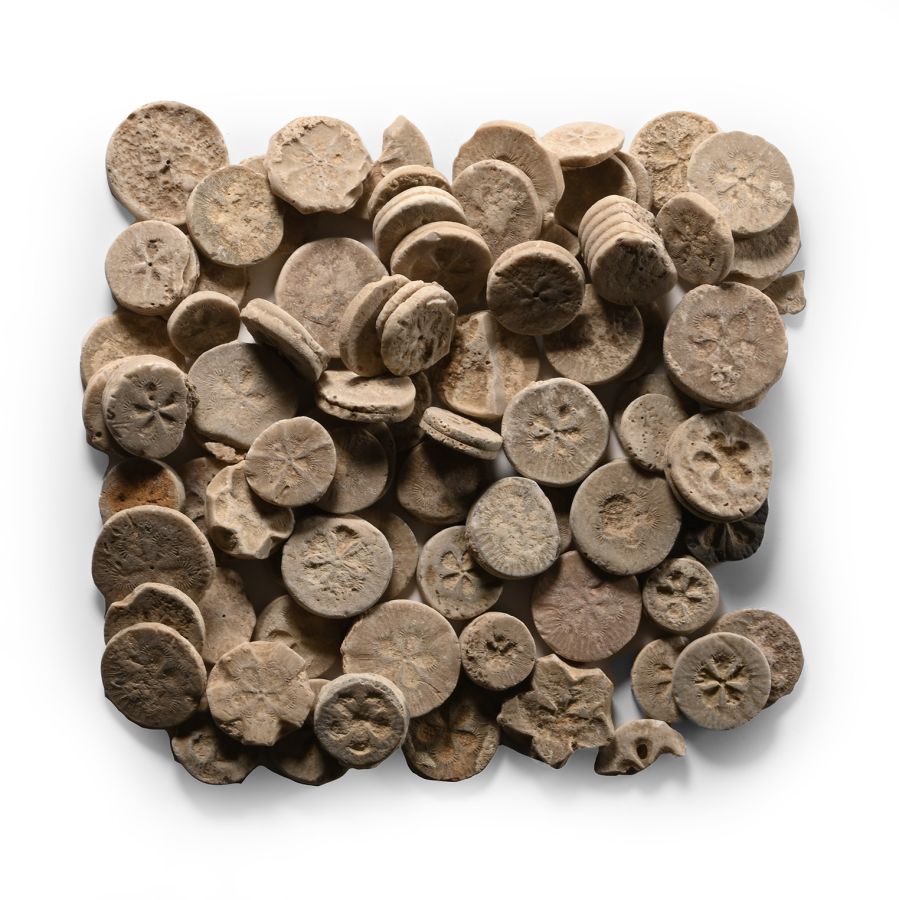
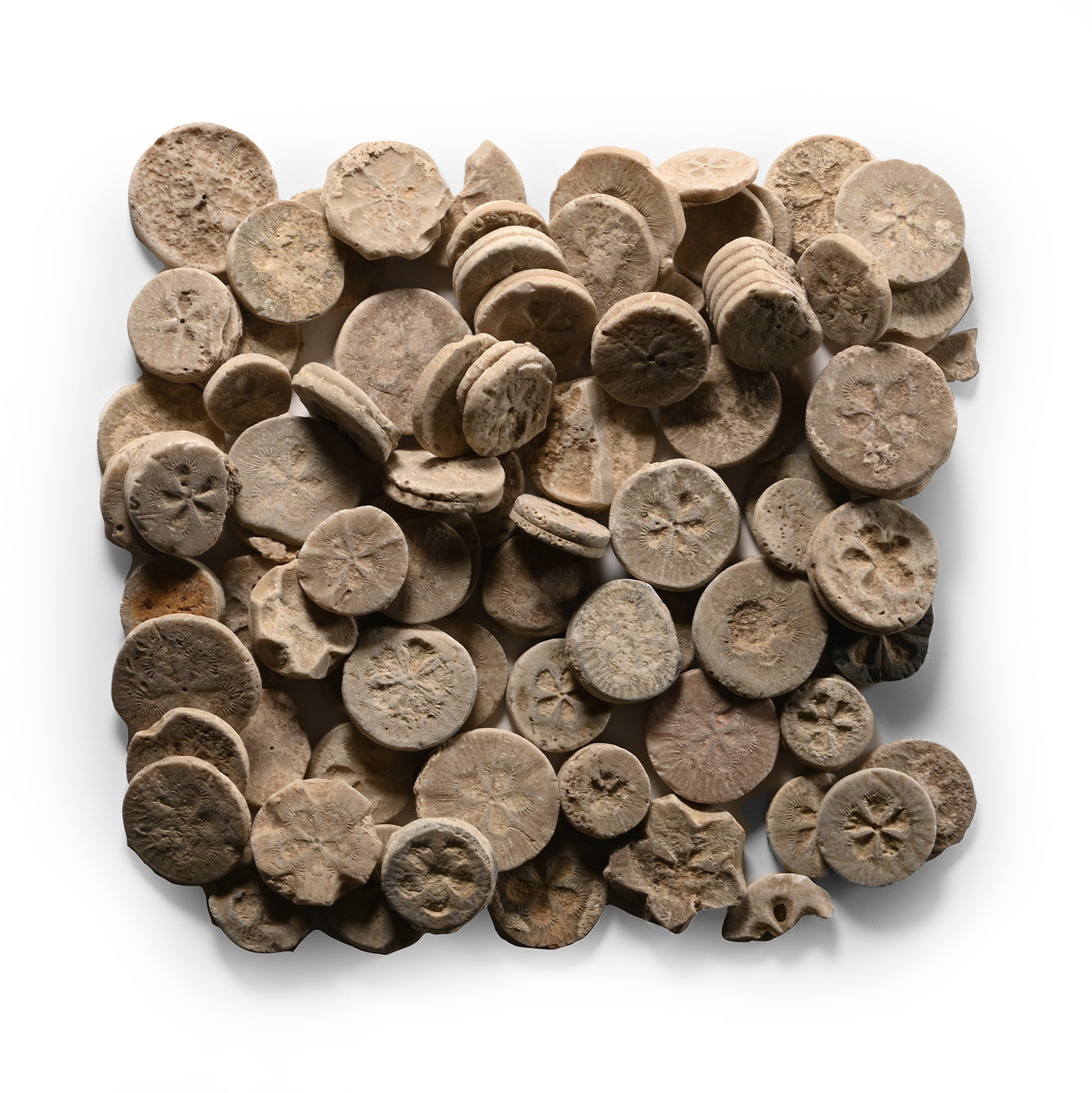
Egyptian Limestone 'Floral' Inlay Group

ROMAN PERIOD, 30 B.C.-323 A.D.

1/4 - 3/4 in. (105 grams total, 7-19 mm).

Group of discoid inlay plaques or gaming counters, crinoids with cinquefoil motif. [84, No Reserve]

Provenance

From a central London ADA gallery, 1990s.

CONDITION

VETTING:

TimeLine Auctions follows a vetting process to ensure the authenticity and legality of all items, reinforcing our commitment to integrity and responsible trading. Each antiquity, antique, and coin lot undergoes thorough examination by a vetting committee of at least ten external specialists, professional trade association members, scientists, and archaeologists: Our Vetting Process


AUCTIONS:

TimeLine is a leading auction house specialising in antiquities, ancient art, collectables, natural history, coins, medals, and books. Our auctions offer museums, collectors, historians, and enthusiasts the opportunity to acquire unique and historically significant pieces.

LOT 0471

Egyptian Limestone 'Floral' Inlay Group

Sold for (Inc. bp): £72

Print page

RELATED LOTS

  • Large Egyptian Translucent Carnelian Heart Amulet
    Large Egyptian Translucent Carnelian Heart Amulet
    New Kingdom, circa 1550-1070 B.C.

    Sold for (Inc. bp): £3,900

    Carved with lateral triangular lugs and ribbed bale. 4.6 grams, 24 mm


    From an early 20th century collection.

    According to ancient Egyptian beliefs, the heart (ib) was considered to be the centre of intelligence, emotions, and behaviour. The heart was also believed to store an individual's memories. During the Weighing of the Heart ceremony in the afterlife, the heart could speak up for the deceased and account for their lifetime of actions before Osiris. For this reason, heart amulets were placed on the mummy to safeguard the organ and ensure a favourable outcome during judgment.

    Lot Details

  • Egyptian Ovoid Alabaster Jar
    Egyptian Ovoid Alabaster Jar
    Early Dynastic Period, circa 3100-2900 B.C.

    Estimate: £1,000 - 1,400 (+bp*)

    Opening Bid: £389

    With rounded lip, and oval body slightly tapering to a flat base. 517 grams, 11.5 cm high


    Mary Stout Shaw (1880-1962); thence by direct descent to the present owner. Accompanied by a copy of a 1976 family photo featuring some of the collection on display.

    Mary Kilgour Stone was born in 1880 in Cincinnati, Ohio. On 25 November 1903, she married Percy Wyfold Stout from Gloucester (DSO, OBE, 1875-1937), who had moved to Cairo after an international rugby career. After fighting in the First World War, Percy became the Director of the Egyptian Delta Land Company and the Anglo-American Nile Tourist Company. He and Mary were friends with the famous Major Gayer-Anderson, who worked as a doctor on the company’s cruise boats between 1930 and 1939. Gayer-Anderson tells in his memoir how this allowed him to make frequent trips to Upper Egypt and fulfil his passion for collecting (and dealing in) ancient Egyptian art. In his company, Mary became an enthusiast about all things Egypt and formed an elegant collection of ancient Egyptian alabaster vessels, including the following lots. She was particularly fascinated with the ancient cat goddess Bastet. Therefore, when Gayer-Anderson decided to give his famous ancient bronze cat to the British Museum in 1939, he made sure the donation was in both his name and Mary Stout Shaw’s, as a tribute to their friendship.

    Lot Details

  • Egyptian White Faience Shabti
    Egyptian White Faience Shabti
    Ptolemaic Period, 332-30 B.C.

    Sold for (Inc. bp): £111

    Modelled in the half-round with rounded facial features, lappet wig, false beard and crossed arms holding a pick and a hoe. 18 grams, 78 mm


    Ex H. Norry collection, 1980s-1990s.

    One of the primary purposes of shabti figures was to carry out heavy manual tasks on behalf of a person in the afterlife, and they were often depicted with necessary implements in their hands, such as baskets, picks, and hoes. Over time, the number of shabtis in a standard elite burial increased, from one in the Eighteenth Dynasty to several in the Nineteenth Dynasty, to one for every day of the year by the Third Intermediate Period. The high number of shabtis remained a feature in the Late and Ptolemaic Periods.

    Lot Details

Stay up-to-date with the latest from TimeLine Auctions by joining our mailing list