
Loading, please wait...
LOT 0485
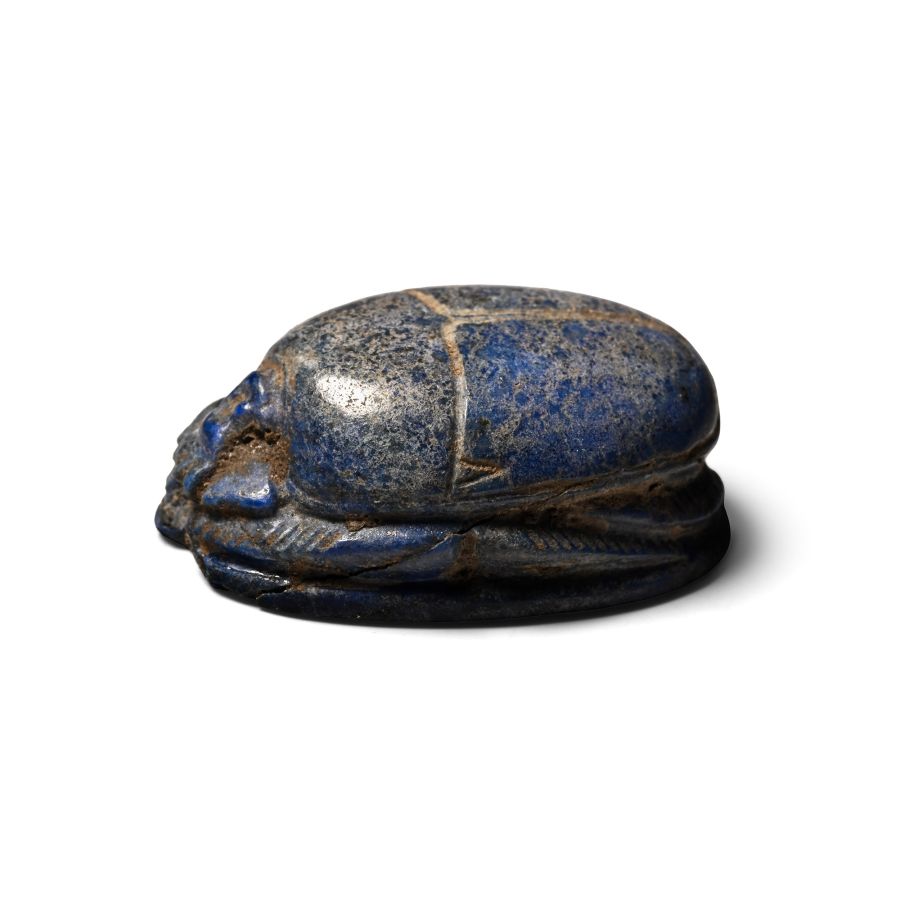
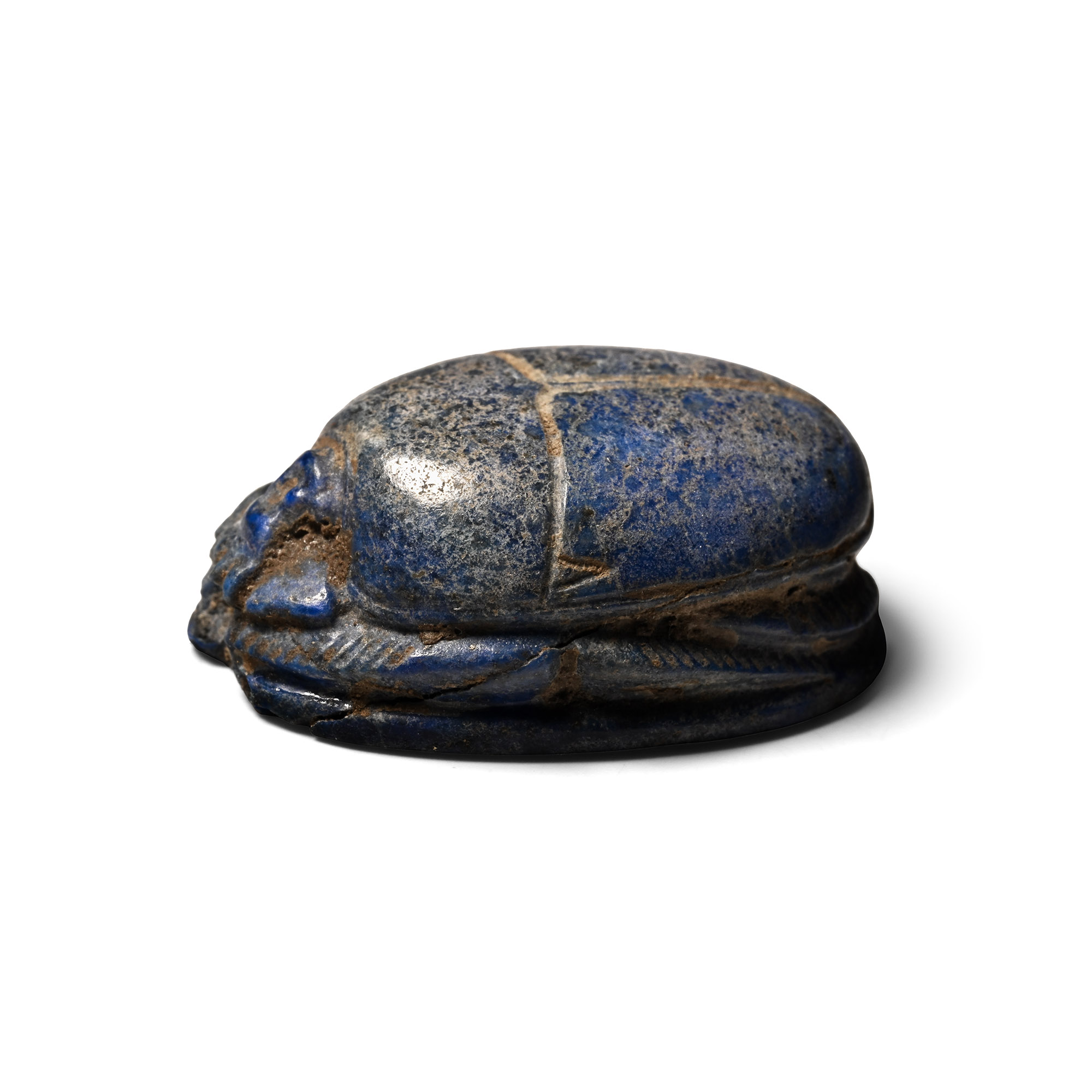
Egyptian Lapis Lazuli Scarab
LATE PERIOD, 664-332 B.C.
1 1/4 in. (12.8 grams, 30 mm).
Carved in the round with longitudinal piercing, ellipsoid base.
ProvenanceEx early 20th century collection.
CONDITIONTimeLine Auctions follows a vetting process to ensure the authenticity and legality of all items, reinforcing our commitment to integrity and responsible trading. Each antiquity, antique, and coin lot undergoes thorough examination by a vetting committee of at least ten external specialists, professional trade association members, scientists, and archaeologists: Our Vetting Process
AUCTIONS:
TimeLine is a leading auction house specialising in antiquities, ancient art, collectables, natural history, coins, medals, and books. Our auctions offer museums, collectors, historians, and enthusiasts the opportunity to acquire unique and historically significant pieces.
LOT 0485
Egyptian Lapis Lazuli Scarab
Estimate £400 - 600€460 - 700 (for guidance only)$540 - 810 (for guidance only)
-
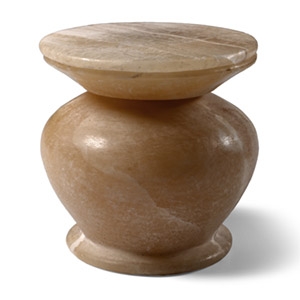
Egyptian Travertine Kohl Jar and Lid
Middle Kingdom-early New Kingdom, 12th-early 18th Dynasty, circa 1985-1479 B.C.Estimate: £1,200 - 1,700 (‡+bp*)
Opening Bid: £667
Piriform vessel with flared foot and wide rim, discoid lid with raised central panel to verso. 355 grams, 65 mm
Ex Galerie Nefer, Zurich, Switzerland. with Galerie Rhéa, Zurich, Switzerland. -
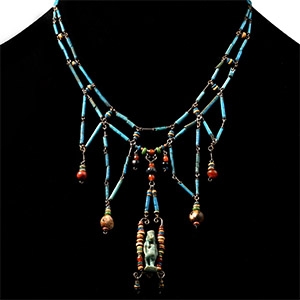
Egyptian Blue Faience Bead Necklace with Taweret
Ptolemaic Period, 332-30 B.C.Estimate: £600 - 800 (+bp*)
Opening Bid: £300
A restrung designer necklace composed of cylindrical and annular beads, central feature composed of polychrome annular beads flanking a Taweret amulet; modern clasp. 21.2 grams, 27.6 cm
Private collection, UK.
The ancient Egyptian goddess Taweret is mainly associated with fertility, childbirth, motherhood, and the protection of women during pregnancy and labour. She is depicted as a composite creature, combining various animal features, and is one of the more unique and striking deities in the Egyptian pantheon. Taweret’s name comes from the Egyptian word for "great" or "large" (tꜣwꜣrt), reflecting her formidable and protective nature. -
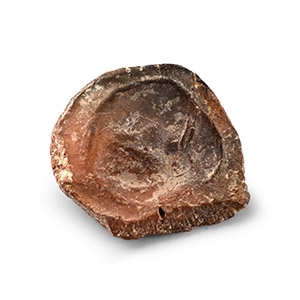
Egyptian Clay Papyrus Document Clay Sealing
Roman Period, 30 B.C.-323 A.D.Sold for (Inc. bp): £26
Irregular in plan and wedge-shaped in section, impressed profile bust of a female. 1.18 grams, 17 mm
From the collection of a Buckinghamshire, UK, collector established from the earlier 1960s.
