
Loading, please wait...
LOT 0504
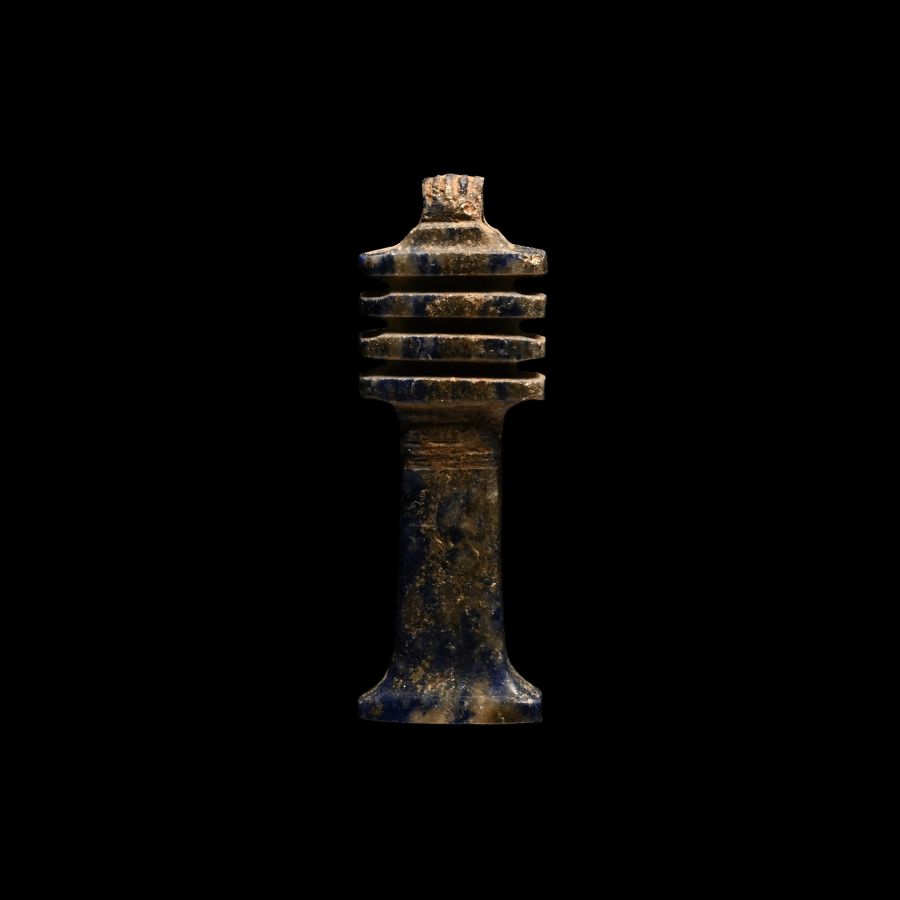
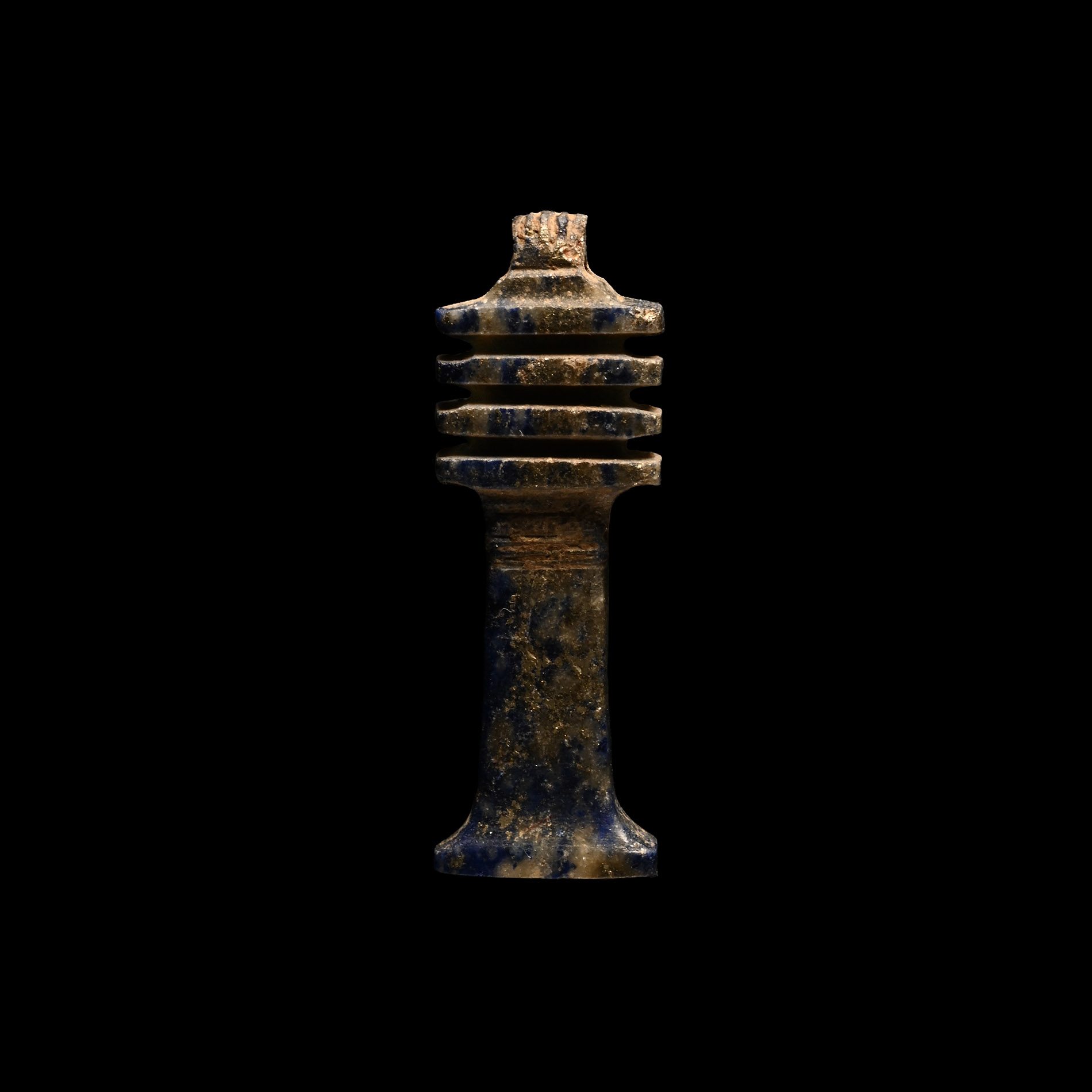
Egyptian Lapis Lazuli Djed Pillar Amulet
7TH-6TH CENTURY B.C.
1 1/8 in. (2.3 grams, 28 mm).
Amuletic pendant of the djed pillar with fine detailing; loop to the apex.
ProvenancePrivate collection of Mr S.A., Switzerland, 1990s, thence by descent.
LiteratureCf. Andrews, C., Amulets of Ancient Egypt, London, 1994, item 84 (c), for type.
CONDITIONTimeLine Auctions follows a vetting process to ensure the authenticity and legality of all items, reinforcing our commitment to integrity and responsible trading. Each antiquity, antique, and coin lot undergoes thorough examination by a vetting committee of at least ten external specialists, professional trade association members, scientists, and archaeologists: Our Vetting Process
AUCTIONS:
TimeLine is a leading auction house specialising in antiquities, ancient art, collectables, natural history, coins, medals, and books. Our auctions offer museums, collectors, historians, and enthusiasts the opportunity to acquire unique and historically significant pieces.
-
Egyptian Green Hardstone Scarab
Late Period, 664-332 B.C.Sold for (Inc. bp): £293
Pierced longitudinally; plain underside with old collector's label attached. 1.61 grams, 14 mm
From the property of the late Mr SM, London, UK, 1969-1999. -
.jpg)
Egyptian Faience Bead Necklace String with Amulets
Amarna Period, 1353-1336 B.C.Estimate: £800 - 1,000 (+bp*)
Opening Bid: £400
Restrung using mainly annular and tubular beads with a large central heart amulet, interspersed with various amulets including: poppy seed, rosette, lotus flower, two Thoth baboons, djed pillar, Bes, and others. 10.4 grams, 40 cm
From the vendor's grandfather's collection, formed in the 1950s; thence by family descent circa 1974. -
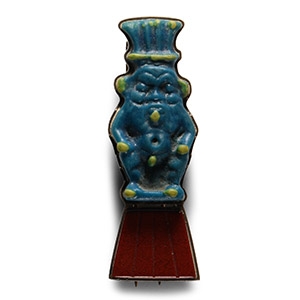
Egyptian Glass Bes Amulet in Gold Pin
Late Period-Roman Period, 664 B.C.-323 A.D. and laterEstimate: £400 - 600 (+bp*)
Opening Bid: £210
Comprising a large blue amulet of facing Bes with yellow highlighting, the grimacing god wearing a plumed headdress and depicted nude; set in a later gold casing with a plume-shaped red jasper insert, an articulated pin attachment on the reverse. 13.7 grams, 51.6 mm
Ex AH collection, London, UK, 1980s. Accompanied by a previous cataloguing slip.
Despite his rather fearful appearance, Bes was the patron and protector of pregnant women and children. He was also believed to provide protection from snakes.
