
Loading, please wait...


LOT 0490
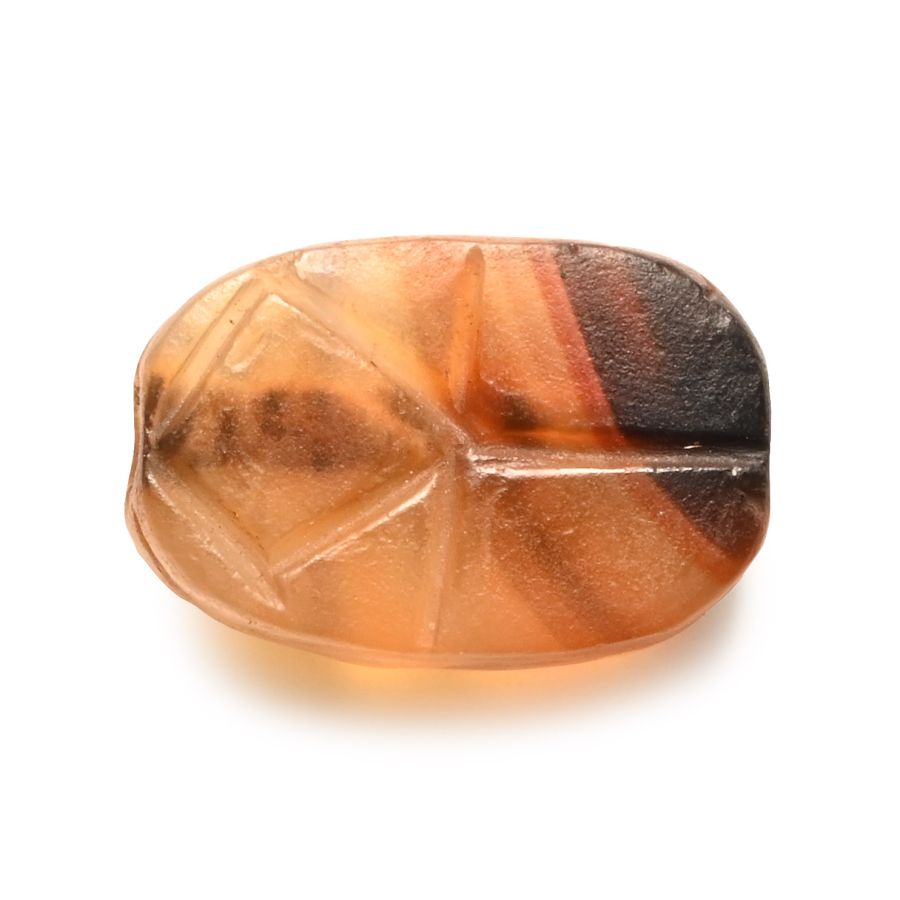
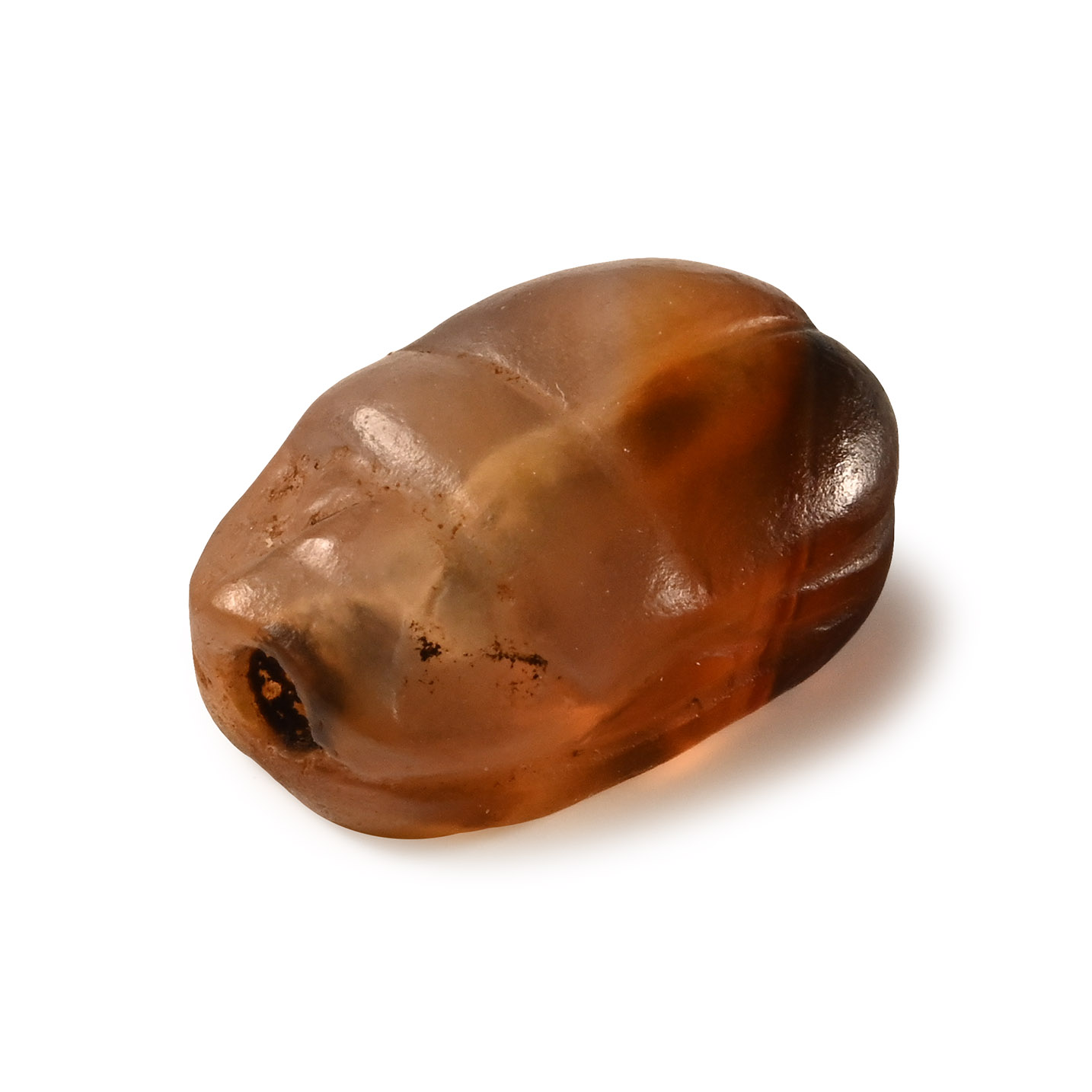
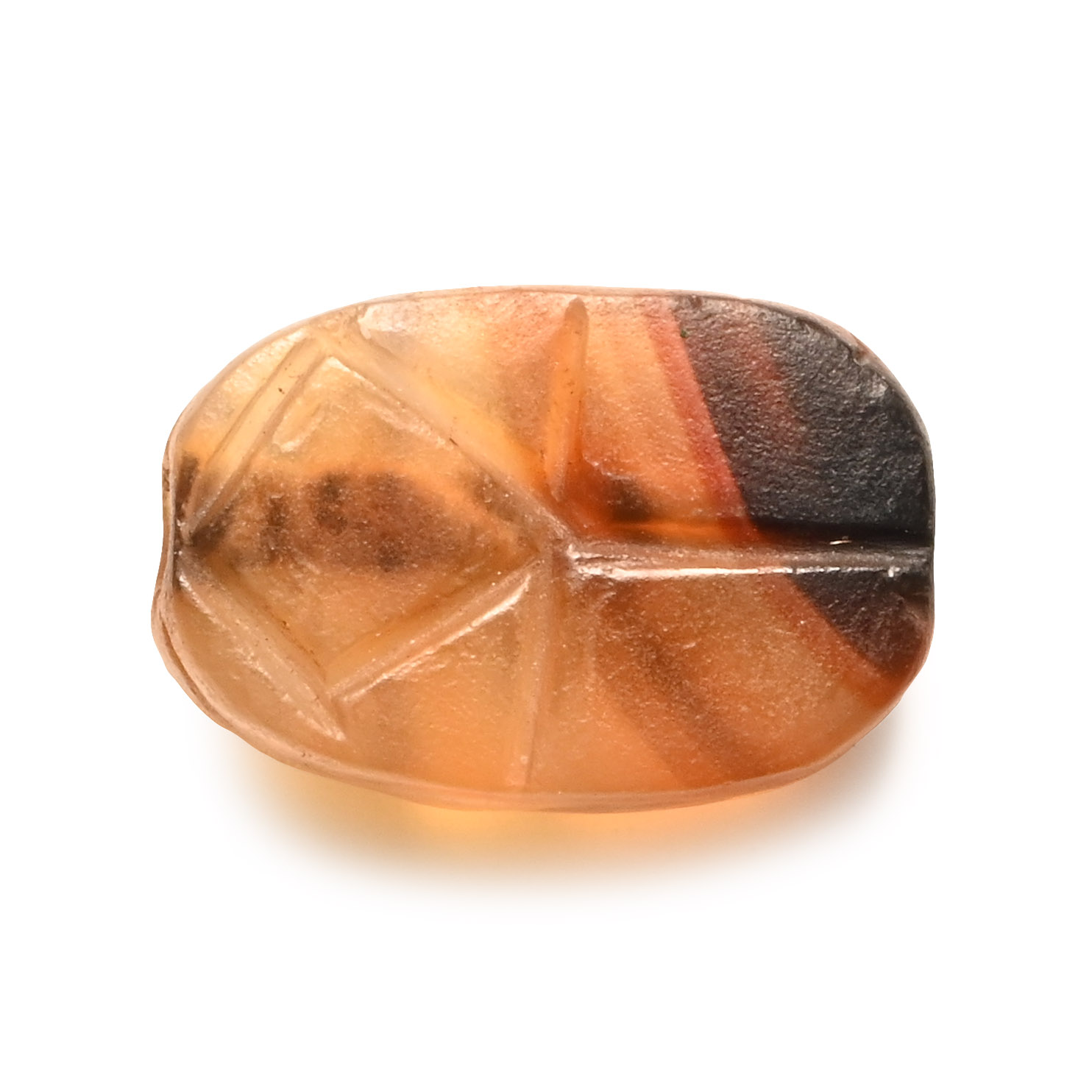
Egyptian Hardstone Scarab with Ankh
LATE PERIOD, 664-332 B.C.
1/2 in. (1.05 grams, 13 mm).
Plano-convex in profile with segmented upper face and incised ankh to the underside.
ProvenanceFrom the private collection of the late Mrs Belinda Ellison, long time member of the Egyptian Exploration Society, c.1940-2020.
LiteratureCf. Matouk, F.S., Corpus du scarabée égyptien. Vol. 2: Analyse thématique, Beirut, 1976, p.412 no. 2439, for similar.
CONDITIONTimeLine Auctions follows a vetting process to ensure the authenticity and legality of all items, reinforcing our commitment to integrity and responsible trading. Each antiquity, antique, and coin lot undergoes thorough examination by a vetting committee of at least ten external specialists, professional trade association members, scientists, and archaeologists: Our Vetting Process
AUCTIONS:
TimeLine is a leading auction house specialising in antiquities, ancient art, collectables, natural history, coins, medals, and books. Our auctions offer museums, collectors, historians, and enthusiasts the opportunity to acquire unique and historically significant pieces.
-
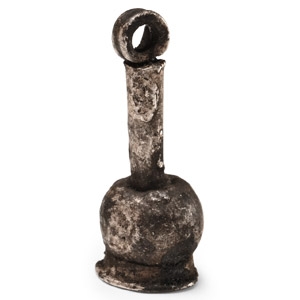
Egyptian Silver Poppy Head Amulet
Late Period, 664-332 B.C.Sold for (Inc. bp): £59
With bulb and disc finial, integral shank and gusseted suspension loop. 1 grams, 17 mm
From an early 20th century collection.
Amulets in the form of poppies were used to heal and alleviate pain and to ward off death. These types of amulets were also linked to Osiris, the Egyptian deity of agriculture, death, and the afterlife. -
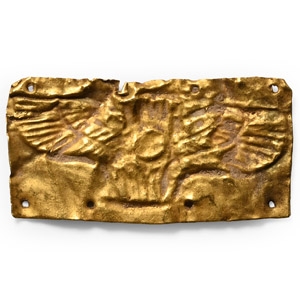
Egyptian Gold Winged Plaque
1st millennium B.C.Sold for (Inc. bp): £208
Rectangular foil plaque with repoussé design of a winged scarab; edges pierced for attachment. 0.47 grams, 22 mm
From the collection of a gentleman, acquired on the London art market in the 1990s. -
.jpg)
Egyptian Faience Scarab with Hieroglyphs
Late Period, 664-332 B.C.Sold for (Inc. bp): £624
Naturalistic detailing to the blue stained body and legs with section of openwork between the front and back legs; hieroglyphs on base giving the good luck message 'When Amun is behind you, do not fear'; pierced for suspension. 1.72 grams, 15 mm
Ex collection of Emil Saad, Paris-Alexandria.
