
Loading, please wait...
LOT 0464
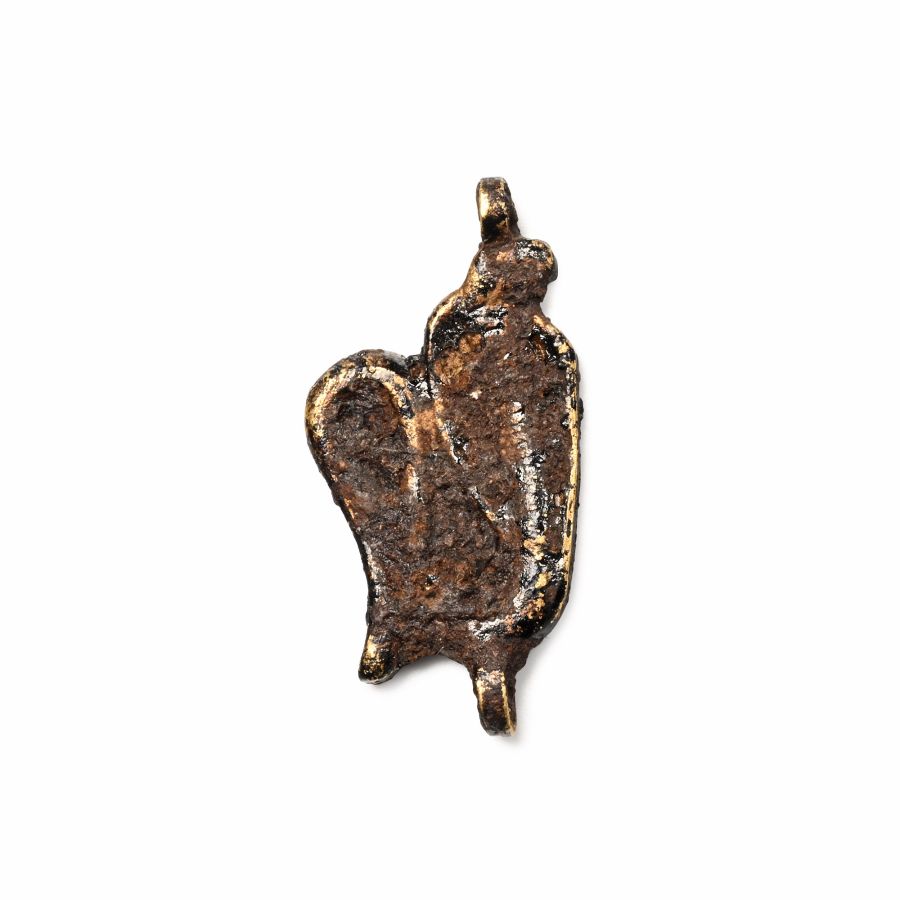
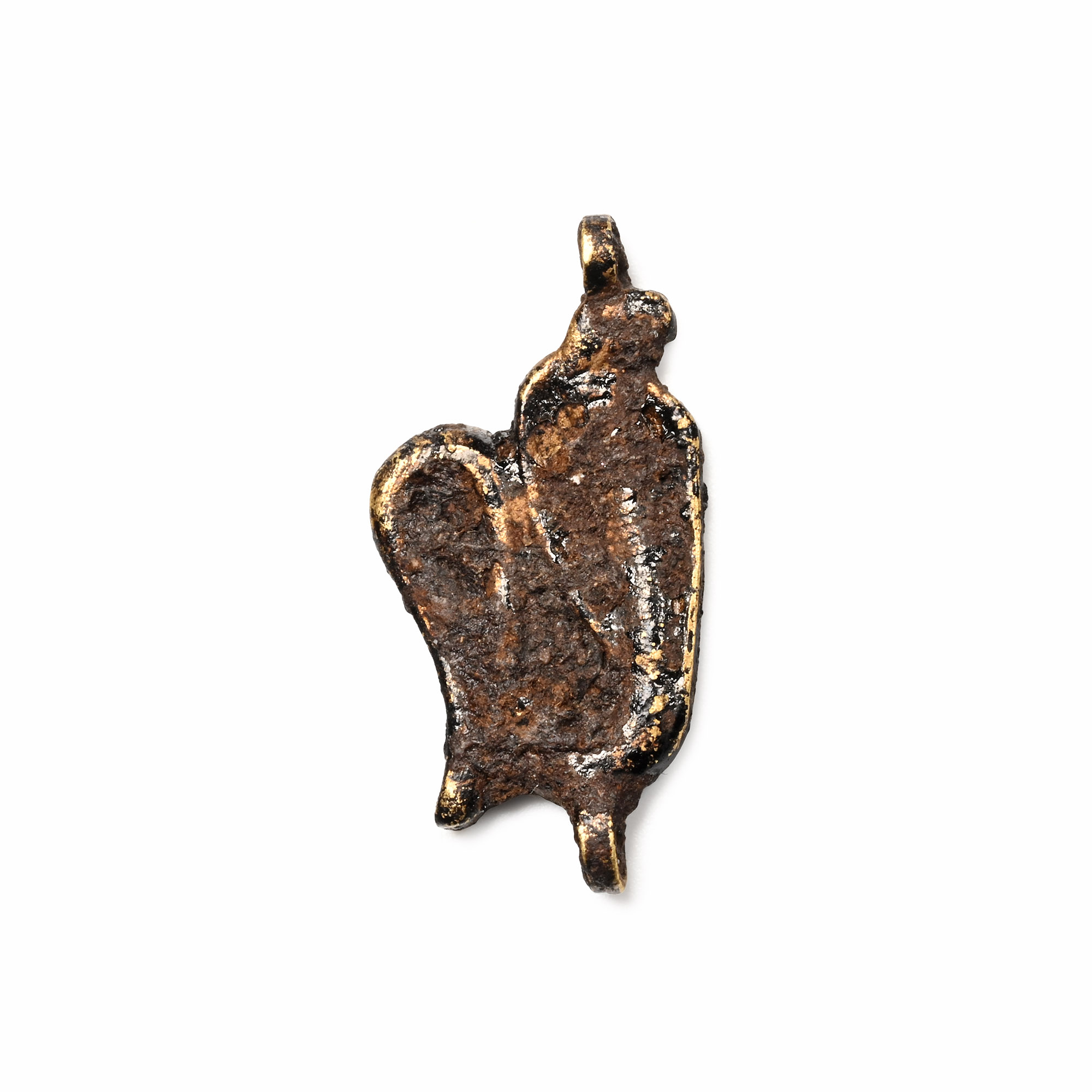
Egyptian Gold Uraeus Amulet
LATE NEW KINGDOM, 1279-1070 B.C.
5/8 in. (1.1 grams, 17 mm).
Depicting a rearing hooded cobra with curled body, small loop above and below.
ProvenanceFrom an early 20th century French collection.
This lot is accompanied by an illustrated lot declaration signed by the Head of the Antiquities Department, Dr Raffaele D'Amato.
TimeLine Auctions follows a vetting process to ensure the authenticity and legality of all items, reinforcing our commitment to integrity and responsible trading. Each antiquity, antique, and coin lot undergoes thorough examination by a vetting committee of at least ten external specialists, professional trade association members, scientists, and archaeologists: Our Vetting Process
AUCTIONS:
TimeLine is a leading auction house specialising in antiquities, ancient art, collectables, natural history, coins, medals, and books. Our auctions offer museums, collectors, historians, and enthusiasts the opportunity to acquire unique and historically significant pieces.
-
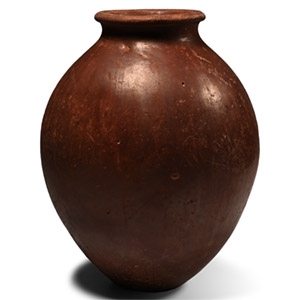
Egyptian Predynastic Globular Flask
Naqada II, 3500-3150 B.C.Sold for (Inc. bp): £1,040
A globular-shaped body with a disc base, short neck, and everted rim at the mouth; featuring a burnished red wash surface. 925 grams, 21 cm
Private collection. with Bonhams, London, 22 September 1998, no.130. European private collection. This lot is accompanied by an illustrated lot declaration signed by the Head of the Antiquities Department, Dr Raffaele D'Amato. -
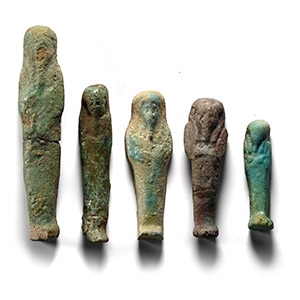
Egyptian Glazed Faience Shabti Collection
Ptolemaic Period, 332-30 B.C.Sold for (Inc. bp): £312
Comprising five mummiform figures in different colours, each with a false beard and wearing a lappet wig. 54 grams total, 46-91 mm
Acquired on the UK art market before 2000. Property of an Essex, UK, gentleman. This lot is accompanied by an illustrated lot declaration signed by the Head of the Antiquities Department, Dr Raffaele D'Amato.
Shabti figures were created to perform heavy manual tasks on behalf of a person in the afterlife. The body of a shabti typically resembled a mummy from the neck down and was often depicted holding tools such as baskets, mattocks, and hoes. Over time, the number of shabtis in a standard elite burial increased, so that from the Third Intermediate Period onward, it became common to have at least 401 figurines, comprising 365 workers, one for each day of the year, plus 36 overseers, one for every ten workers. -
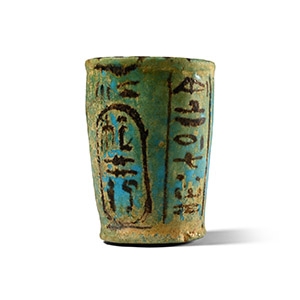
Egyptian Blue Glazed Libation Cup of Ramesses III
New Kingdom, 20th Dynasty, circa 1183-1152 B.C.Sold for (Inc. bp): £1,235
Ritual cup with sides tapering towards the base; the black glazed rectangular panel containing two columns of text: 'Lord of Appearances, Ramesses ruler of Heliopolis (Ramses heqa Iwnw) given life, beloved of Osiris, Lord of Rosetau'. 50 grams, 53 mm
with Hoshigaoka Gallery Co. Ltd, Japan. Private collection, London, acquired from the above on the 26th September 1981. This lot has been checked against the Interpol Database of stolen works of art and is accompanied by a search certificate number no.12637-235085. This lot is accompanied by an illustrated lot declaration signed by the Head of the Antiquities Department, Dr Raffaele D'Amato.
