
Loading, please wait...
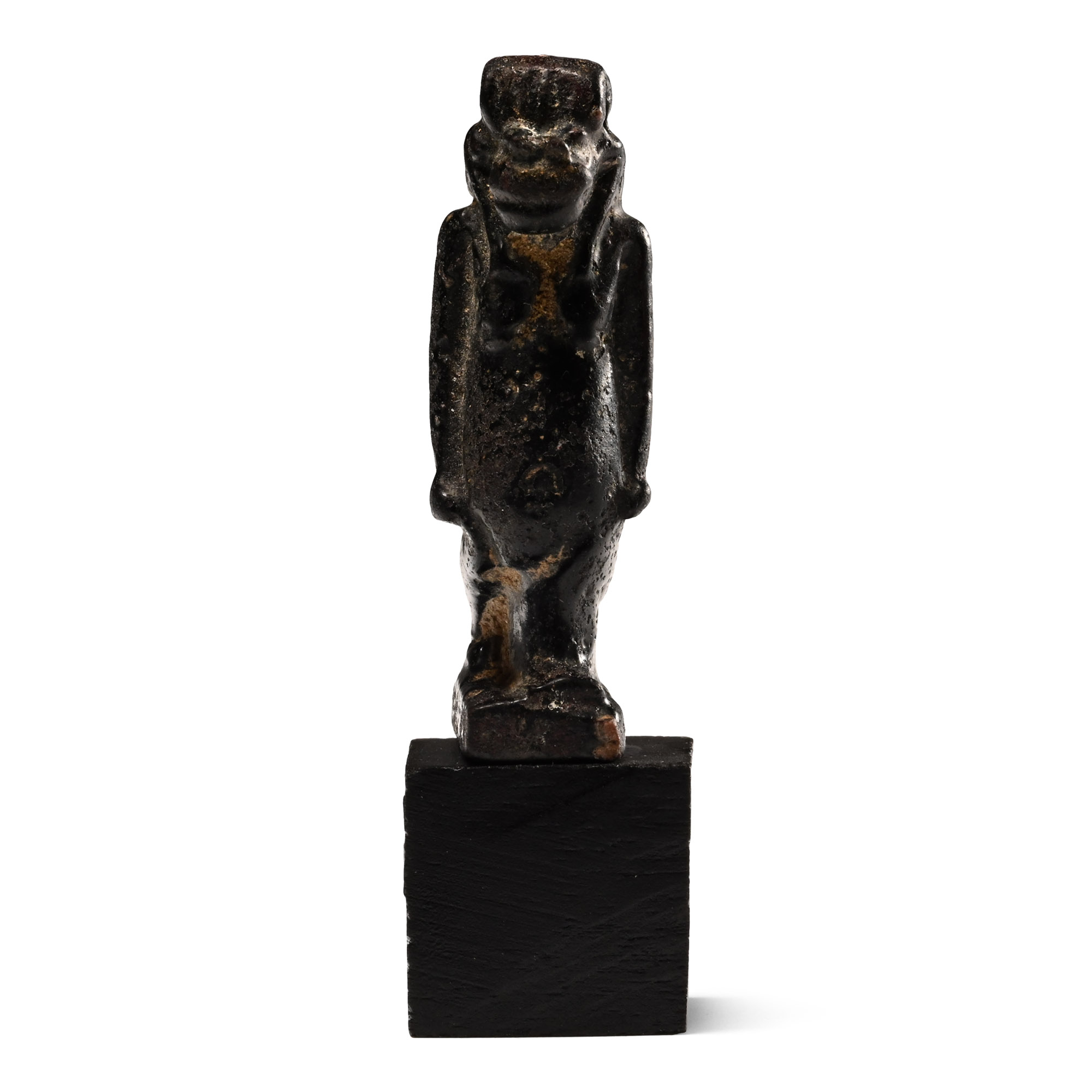
LOT 0450
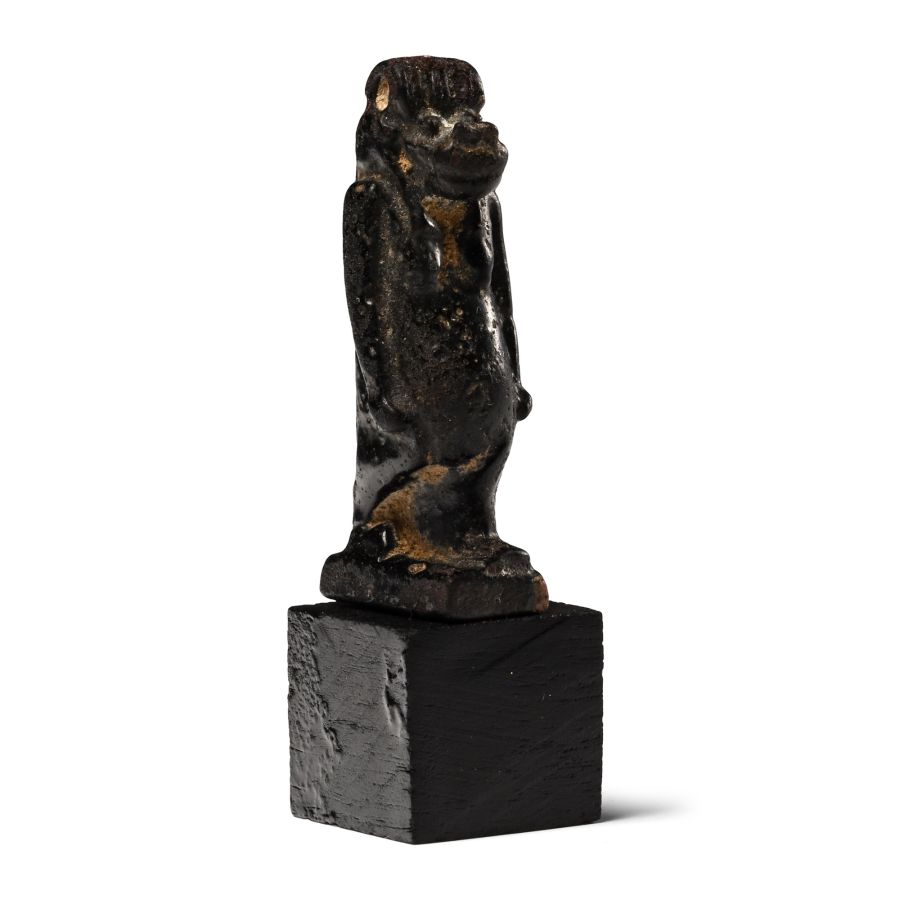
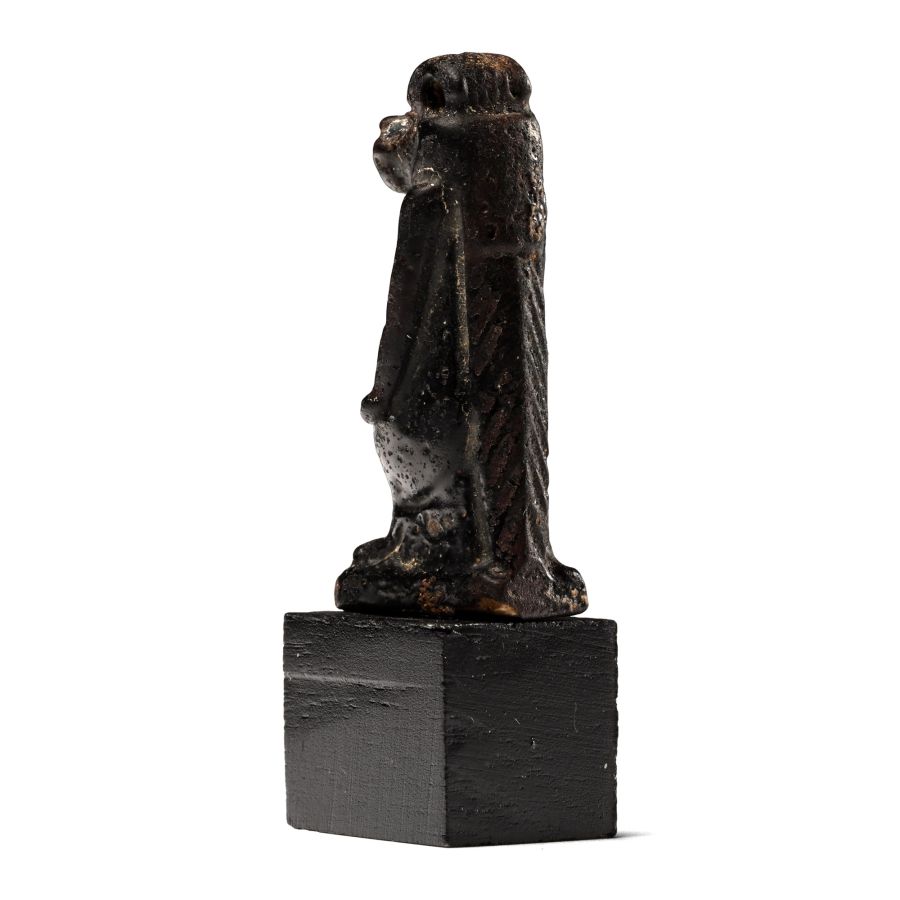
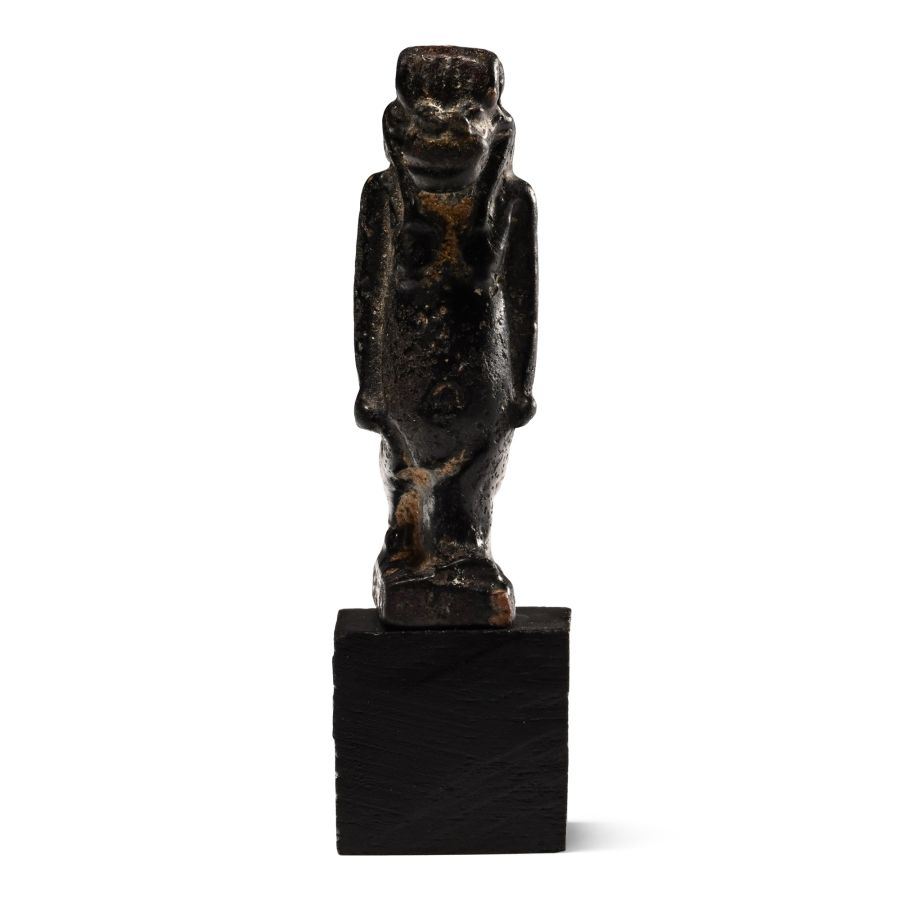
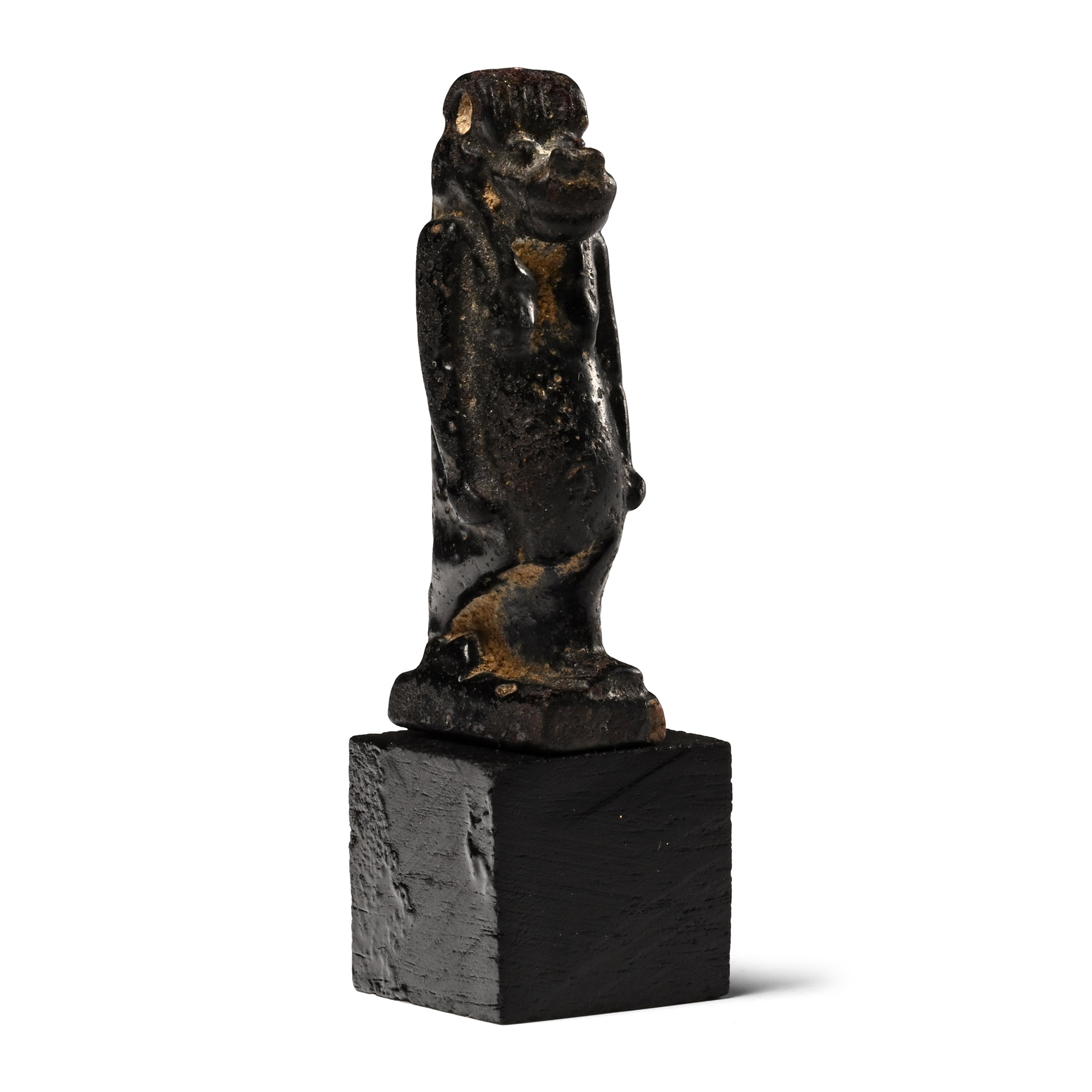
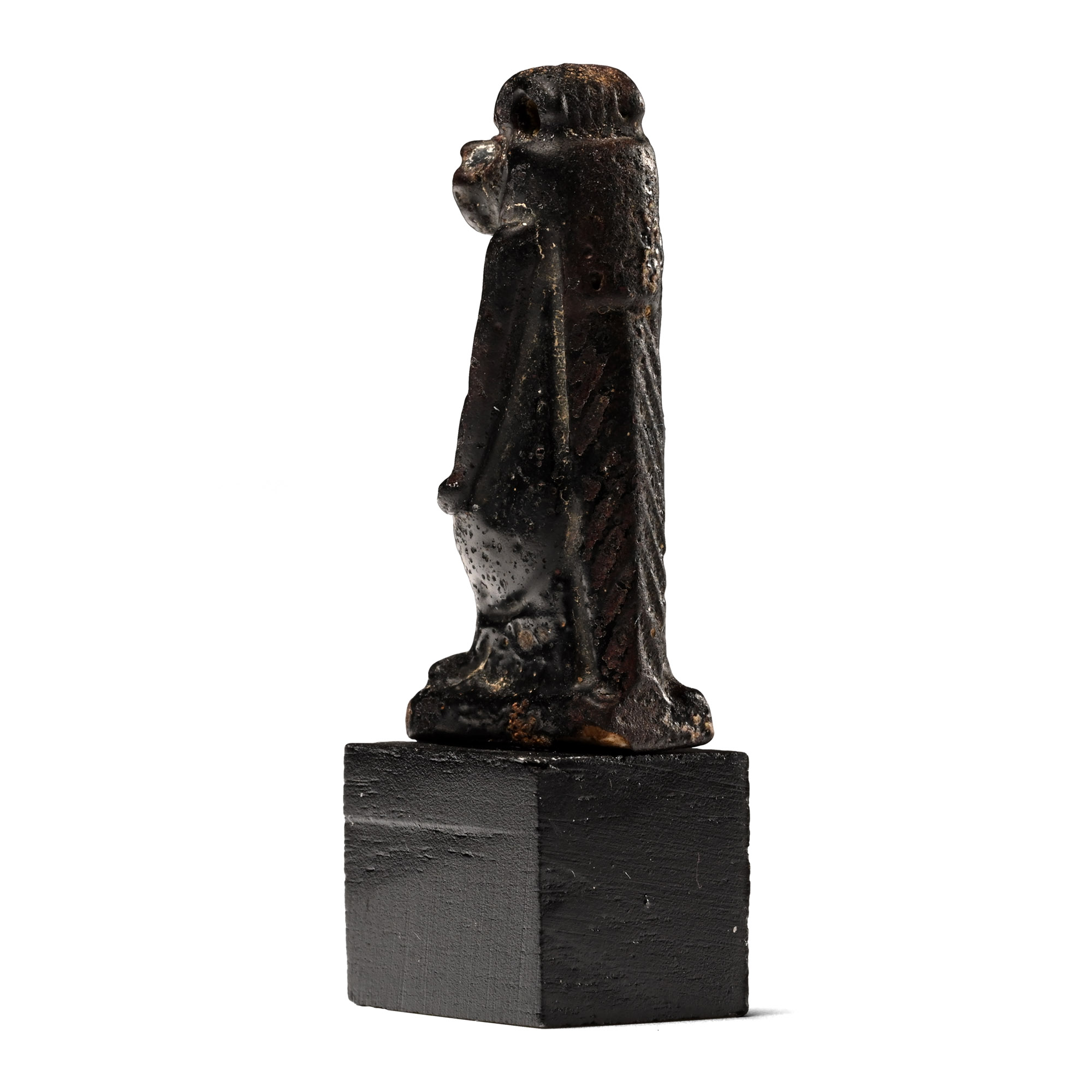
Egyptian Glass Taweret Amulet
LATE PERIOD, 664-332 B.C.
2 in. (11.9 grams, 52 mm).
The goddess Taweret in the form of a hippopotamus standing upright with human arms resting on the swollen stomach, crocodile tail flowing down her spine from beneath her wig; mounted on a custom-made display stand.
ProvenanceEx P.A. collection, London, UK, 1990s.
This lot is accompanied by an illustrated lot declaration signed by the Head of the Antiquities Department, Dr Raffaele D'Amato.
Cf. Bibliothèque Municipale (Autun), Les collections egyptiennes dans les musées de Saône-et-Loire, Autun, 1988, pp. 160-161, nos. 122, 125-126, for similar faience examples with a top-mounted suspension loop.
FootnotesTawaret is an ancient Egyptian goddess primarily associated with fertility, childbirth, motherhood, and the protection of women during pregnancy and childbirth. She is depicted as a composite creature, blending various animal traits, and is one of the more unique and striking deities in the Egyptian pantheon. Tawaret’s name is derived from the Egyptian word for "great" or "large" (tꜣwꜣrt), reflecting her formidable and protective nature.
CONDITIONTimeLine Auctions follows a vetting process to ensure the authenticity and legality of all items, reinforcing our commitment to integrity and responsible trading. Each antiquity, antique, and coin lot undergoes thorough examination by a vetting committee of at least ten external specialists, professional trade association members, scientists, and archaeologists: Our Vetting Process
AUCTIONS:
TimeLine is a leading auction house specialising in antiquities, ancient art, collectables, natural history, coins, medals, and books. Our auctions offer museums, collectors, historians, and enthusiasts the opportunity to acquire unique and historically significant pieces.
LOT 0450
Egyptian Glass Taweret Amulet
Estimate £500 - 700€580 - 810 (for guidance only)$680 - 950 (for guidance only)
-
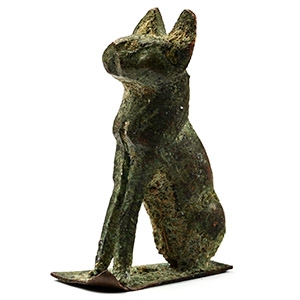
Egyptian Bronze Bastet Cat Amulet
Late Period, 664-332 B.C.Sold for (Inc. bp): £338
Modelled in the round as a seated cat on an oblong base, large pointed ears with a notch behind them. 14 grams, 30 mm
Private collection, 1970s. Private collection, 2017. This lot is accompanied by an illustrated lot declaration signed by the Head of the Antiquities Department, Dr Raffaele D'Amato.
In ancient times, the cat was revered as the sacred animal of the goddess Bastet, who was worshipped in Bubastis, located in the Nile Delta. She was a protective mother goddess and the daughter of the sun god Re. Amulets provided the wearer with the goddess's protection. -
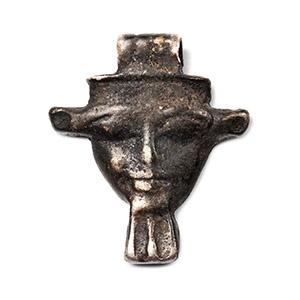
Egyptian Silver Hathor Amulet
Late-Ptolemaic Period, 664-30 B.C.Sold for (Inc. bp): £975
D-shaped mask representing the human-headed Hathor with cow ears and a short beard, a ribbed suspension loop above. 0.7 grams, 11 mm
From an early 20th century collection. This lot is accompanied by an illustrated lot declaration signed by the Head of the Antiquities Department, Dr Raffaele D'Amato. -
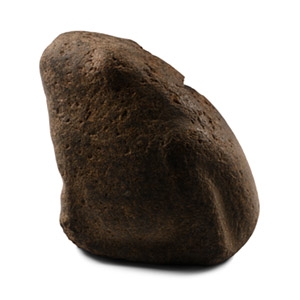
Egyptian Pre-Dynastic Stone Frog
4th millennium B.C.Estimate: £1,800 - 2,400 (‡+bp*)
Opening Bid: £810
Pyramidal in form with shallow-carved hip and facial detailing. 537 grams, 81 mm
with Artemis Gallery, Munich, Germany, 2001. Private collection, Europe. This lot has been checked against the Interpol Database of stolen works of art and is accompanied by a search certificate number no.12580-232124. This lot has been cleared against the Art Loss Register database, and is accompanied by an illustrated lot declaration signed by the Head of the Antiquities Department, Dr Raffaele D'Amato.
The frog had a great role in ancient Egyptian mythology and was connected with the mythology of creation. A number of gods and goddesses were connected with the frog such as Heqet, Ptah, and Heh. The connection with the god Ptah as a god of creation was probably due to the idea that Ptah was the only god who created the world in ancient Egypt through his heart and his tongue. Every work of the god came about through what his heart devised and his tongue commanded. Frogs were often associated with Hekat, deity of birth and fecundity. Amulets of frogs were frequent votive gifts at such Predynastic and Archaic sites at Abydos, Naqada, and Saqqara.
