
Loading, please wait...
LOT 0476
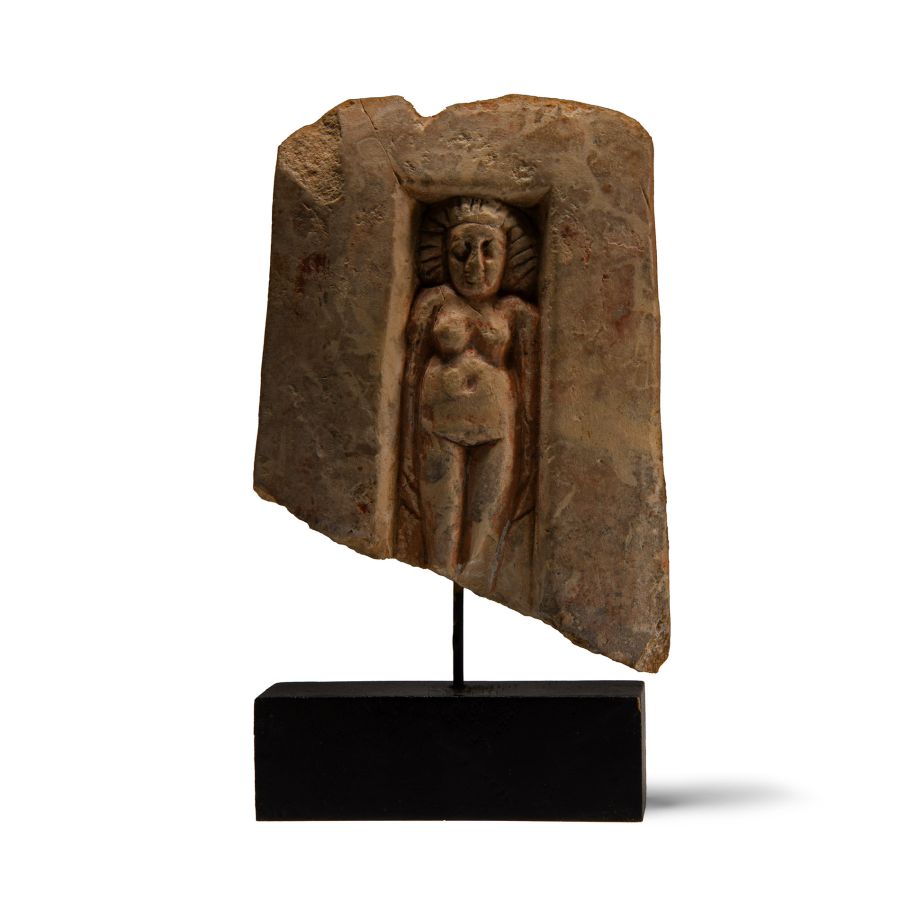
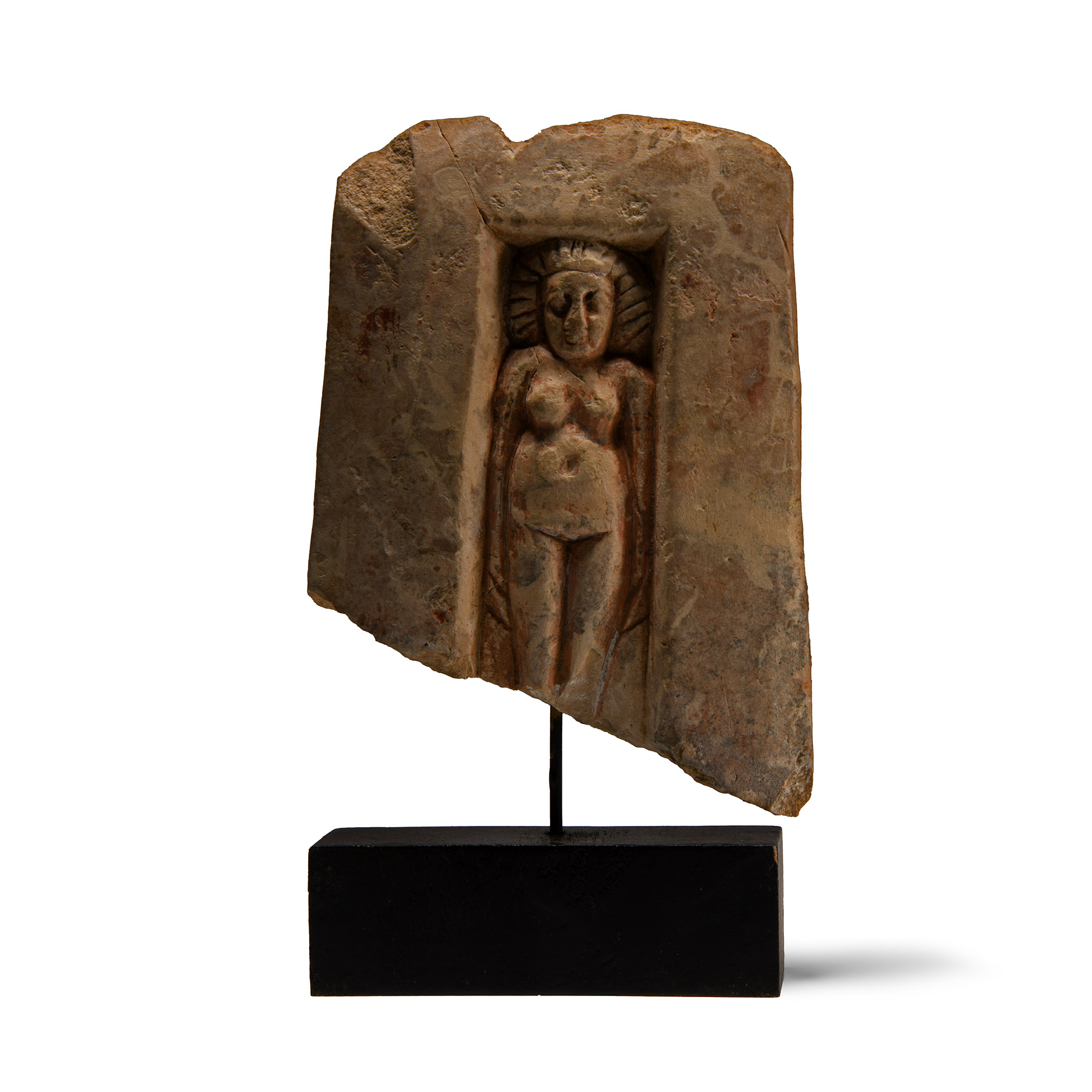
Egyptian Female Fertility Figurine Plaque
LATE PERIOD-PTOLEMAIC PERIOD, 664-31 B.C.
6 3/4 in. (502 grams total, 17.1 cm including stand).
Carved rectangular plaque with central recess, carved image of a nude female modelled in the half-round with a deeply striated bag wig, arms by her side; traces of red and black pigment on the body; mounted on a custom-made stand.
ProvenanceFrom a central London collection, formed 1980-2000.
From the private collection of Mr David Barker, London, UK; thence by descent.
The rectangular limestone plaque almost certainly represents a shrine. Such plaques first appeared in Lower Egypt and became widespread in the Late Period and Ptolemaic era. They may have developed from earlier female figurines depicted on beds and are usually associated with the female goddesses Isis and Hathor, both powerful protectors of women and childbirth and associated with fertility.
CONDITIONTimeLine Auctions follows a vetting process to ensure the authenticity and legality of all items, reinforcing our commitment to integrity and responsible trading. Each antiquity, antique, and coin lot undergoes thorough examination by a vetting committee of at least ten external specialists, professional trade association members, scientists, and archaeologists: Our Vetting Process
AUCTIONS:
TimeLine is a leading auction house specialising in antiquities, ancient art, collectables, natural history, coins, medals, and books. Our auctions offer museums, collectors, historians, and enthusiasts the opportunity to acquire unique and historically significant pieces.
LOT 0476
Egyptian Female Fertility Figurine Plaque
Estimate £1,200 - 1,700€1,390 - 1,970 (for guidance only)$1,620 - 2,300 (for guidance only)
-
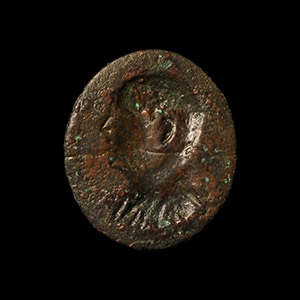
Egyptian Bronze Ring with Bust
Ptolemaic Period, 332-30 B.C.Sold for (Inc. bp): £338
With discoid bezel with incuse profile facing left. 7.03 grams, 23.09 mm overall, 17.15 mm internal diameter (approximate size British G 1/2, USA 3 1/2, Europe 5.55, Japan 5)
Acquired 1980-2015. Ex Abelita family collection. -
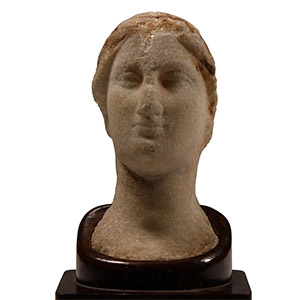
Egyptian Marble Head of a Queen
Ptolemaic Period, 323-30 B.C.Estimate: £3,000 - 4,000 (‡+bp*)
Opening Bid: £1,250
Modelled in the half-round with a stephane and centre-parted hair, serene facial features including hooded eyes and pert lips; mounted on a custom-made wooden display stand. 313 grams total, 10 cm high (14.3 cm high including stand)
Ex Hanna Saba collection, Ambassador to Egypt-USA-France (1909-1992). Private European collection. This lot has been checked against the Interpol Database of stolen works of art and is accompanied by a search certificate number no.12083-218194. -
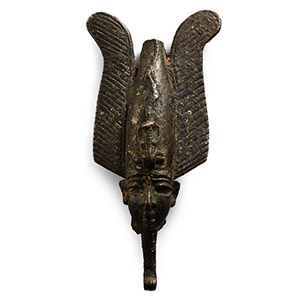
Large Egyptian Gilt Bronze Head of Osiris
Late Period, 664-525 B.C.Sold for (Inc. bp): £650
Modelled in the round wearing the atef crown (hedjet with lateral ostrich feathers) and uraeus to the brow with tail extending up the crown, detailed false beard with coiled finial; eyes recessed to accept inlays; tip of crown missing. 199 grams, 11.4 cm
Acquired on the German art market, 1989-1995. with The Museum Gallery, 19 Bury Place, London, WC1, UK, 1998-2003. Property of a London based academic, 2003-present.
Osiris is a deity who represents death and fertility and is commonly regarded as the quintessential god of rebirth. Though he was once a mortal ruler, as a deceased entity, his domain was the Underworld. Abydos was the primary centre of Osiris’ cult, where a renowned yearly celebration of the god was held. This head comes from a once sizeable statuette of the god.
