
Loading, please wait...
LOT 0464
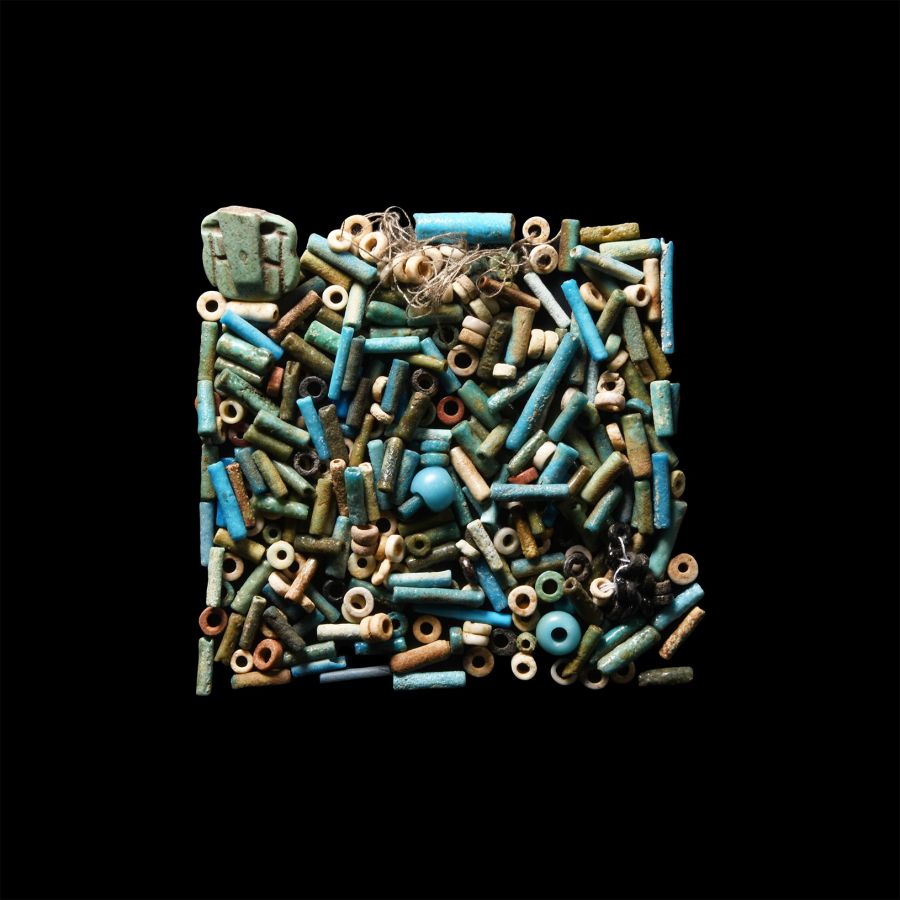
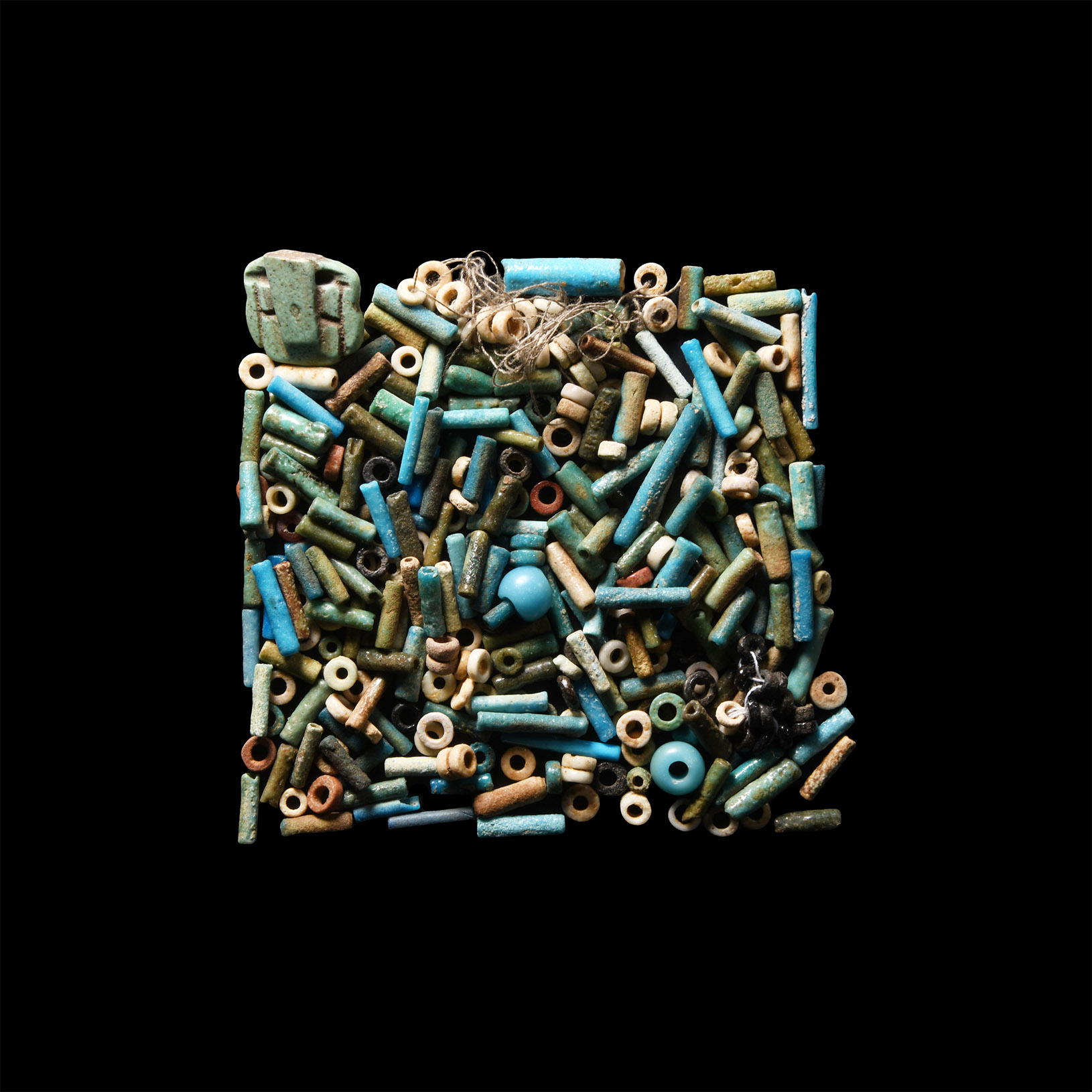
Egyptian Faience Tubular Bead and Amulet Group
NEW KINGDOM, 1315-332 B.C. AND LATER
1/8 - 7/8 in. (26 grams total, 3-22 mm).
Composed mainly of tubular and annular beads decorated with polychrome glazes, together with the upper half of an amulet of the god Shu. [150+]
ProvenanceFrom an early 20th century UK collection.
CONDITIONTimeLine Auctions follows a vetting process to ensure the authenticity and legality of all items, reinforcing our commitment to integrity and responsible trading. Each antiquity, antique, and coin lot undergoes thorough examination by a vetting committee of at least ten external specialists, professional trade association members, scientists, and archaeologists: Our Vetting Process
AUCTIONS:
TimeLine is a leading auction house specialising in antiquities, ancient art, collectables, natural history, coins, medals, and books. Our auctions offer museums, collectors, historians, and enthusiasts the opportunity to acquire unique and historically significant pieces.
-
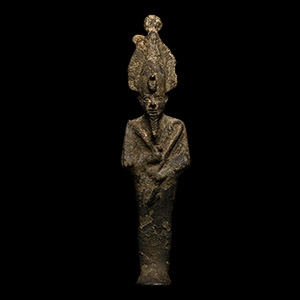
Egyptian Bronze Mummiform Osiris Statuette
Late Period, 664-343 B.C.Sold for (Inc. bp): £520
Wearing a tall Atef crown with sun disc and uraeus, arms crossed at the chest, holding the royal crook and flail. 57 grams, 12.1 cm
Gifted by Herbert Parsons (1870-1940) to his grandson, James Gibson (1926-2013). Inherited by the vendor and her brother, from their grandfather James Gibson. -
.jpg)
Egyptian Limestone Relief Fragment Group
Late Period, 664-332 B.C. or earlierSold for (Inc. bp): £221
Some with detailing, one with male face to left with eye and ear remaining. 2.78 kg total, 8.1-24 cm
Fine condition.
Swiss collection prior to late 1990s. Private London collection since 1999. -
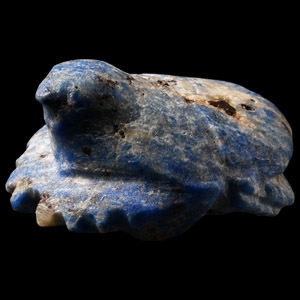
Egyptian Falcon-Headed Lapis Lazuli Scaraboid
Late Period, 664-525 B.C.Estimate: £1,500 - 2,000 (+bp*)
Opening Bid: £800
Naturalistic detailing to the underside with pierced lug for attachment; detailed clypeus on upper side, modelled with a falcon head. 2.73 grams, 17 mm
From an early 20th century collection, Home Counties, UK, 1930-1940s.
Funerary scarabs with falcon heads such as this were placed within the wrappings of the mummy on various parts of the body. They undoubtedly served a protective role, perhaps with solar connotations of rebirth (suggested by the falcon head) but, unlike heart scarabs, their precise function is not known.
