
Loading, please wait...
LOT 0433
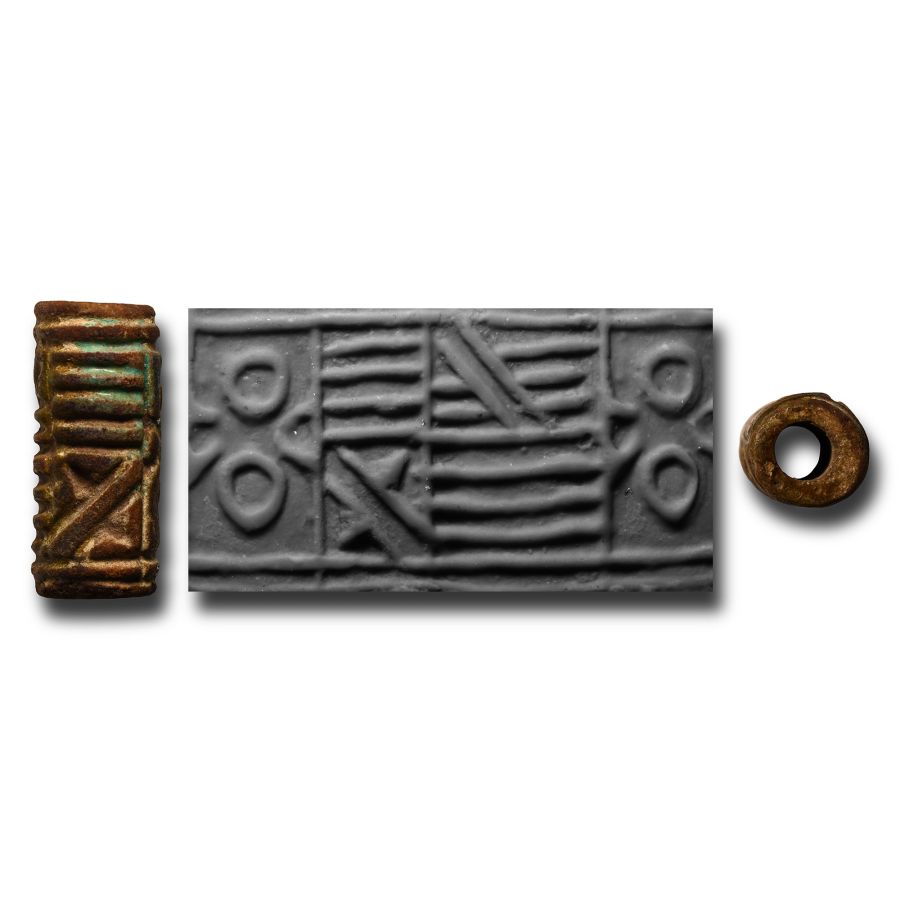
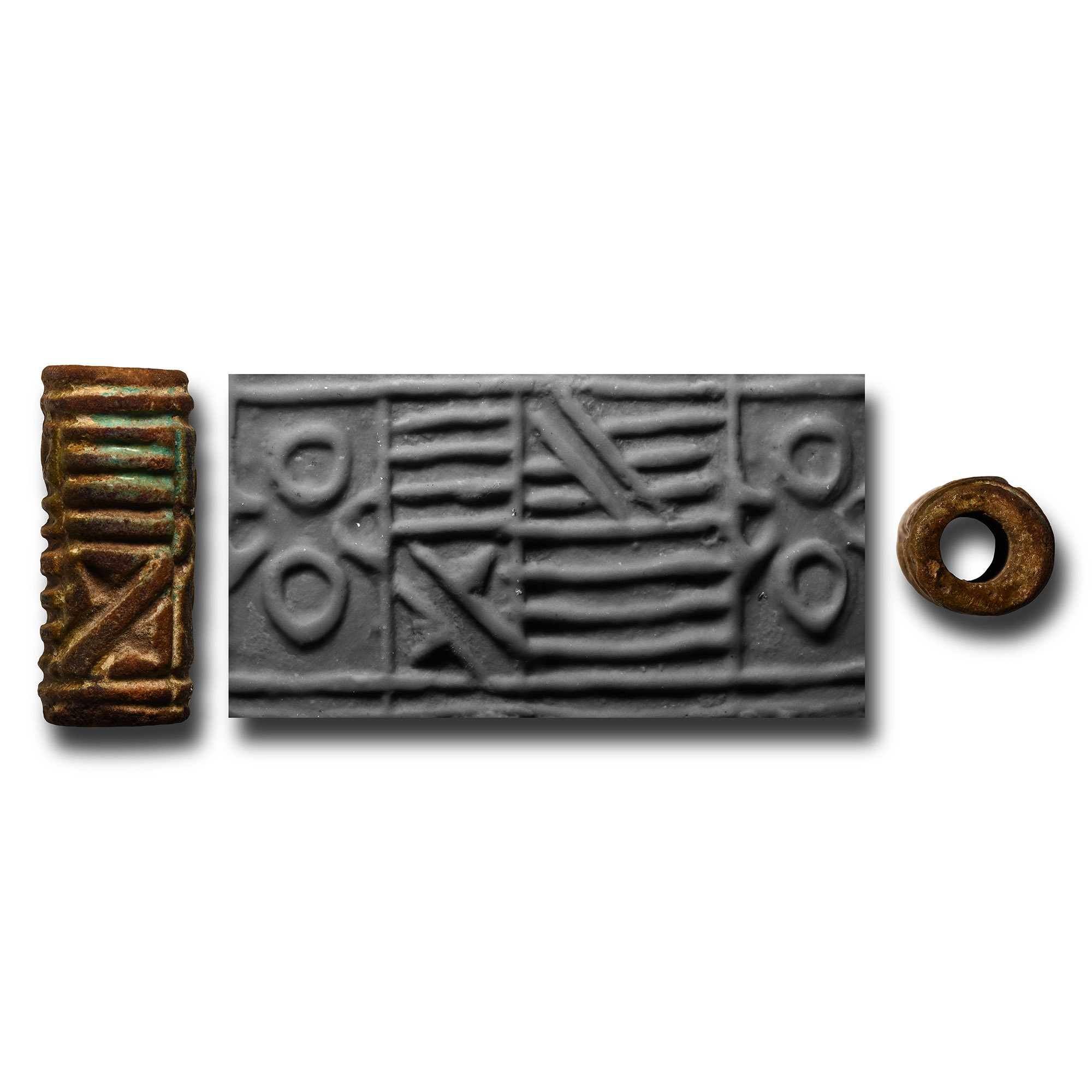
Egyptian Faience Cylinder Seal with Geometric Decoration
LATE PERIOD, 664-332 B.C.
1 1/4 in. (5.78 grams, 31 mm).
With horizontal ribbing and reserved geometric design; old stock label '8752'.
ProvenancePrivate collection, Oxford, UK.
Acquired from Helios Gallery, December 2009.
Private collection, London, UK,
TimeLine Auctions follows a vetting process to ensure the authenticity and legality of all items, reinforcing our commitment to integrity and responsible trading. Each antiquity, antique, and coin lot undergoes thorough examination by a vetting committee of at least ten external specialists, professional trade association members, scientists, and archaeologists: Our Vetting Process
AUCTIONS:
TimeLine is a leading auction house specialising in antiquities, ancient art, collectables, natural history, coins, medals, and books. Our auctions offer museums, collectors, historians, and enthusiasts the opportunity to acquire unique and historically significant pieces.
LOT 0433
Egyptian Faience Cylinder Seal with Geometric Decoration
Sold for (Inc. bp): £234
-
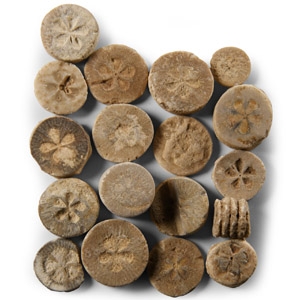
Egyptian Limestone 'Floral' Inlay Group
Roman Period, 30 B.C.-323 A.D.Sold for (Inc. bp): £52
Group of discoid inlay plaques or gaming counters, crinoids with cinquefoil motif. 36 grams total, 11-18 mm
From a central London ADA dealership, 1980-1990. -
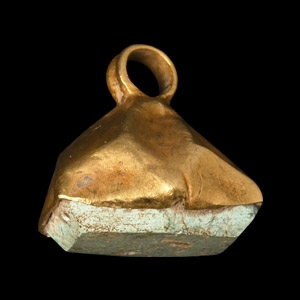
Egyptian Gold Mounted Feldspar(?) Pendant
Late Period, 664-332 B.C. and laterSold for (Inc. bp): £195
A hexagonal faience plaque set into a possibly later polyhedral gold cup with loop to the apex. 2.00 grams, 13 mm
Ex property of a late Japanese collector, 1970-2000s. -
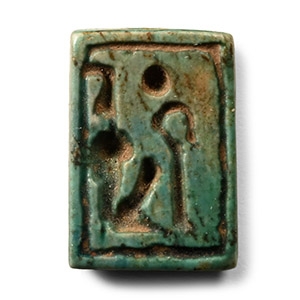
Egyptian Faience Block Bead of Ramesses IV
New Kingdom, 20th Dynasty, 1166-1160 B.C.Sold for (Inc. bp): £416
Rectangular block with hieroglyphs on both faces; one side gives the throne name of Ramesses IV (Heka-Maat-Re), the other side gives the name of the god Amun-Re. 1.45 grams, 14 mm
Ex Emile Bouillon Bey, c. 1880. From the Gaston Maspero Archaeological Fund. with Hotel des Ventes du Perigord, Bergerac, 24 June 2007. Property of a French collector.
