
Loading, please wait...
LOT 0408
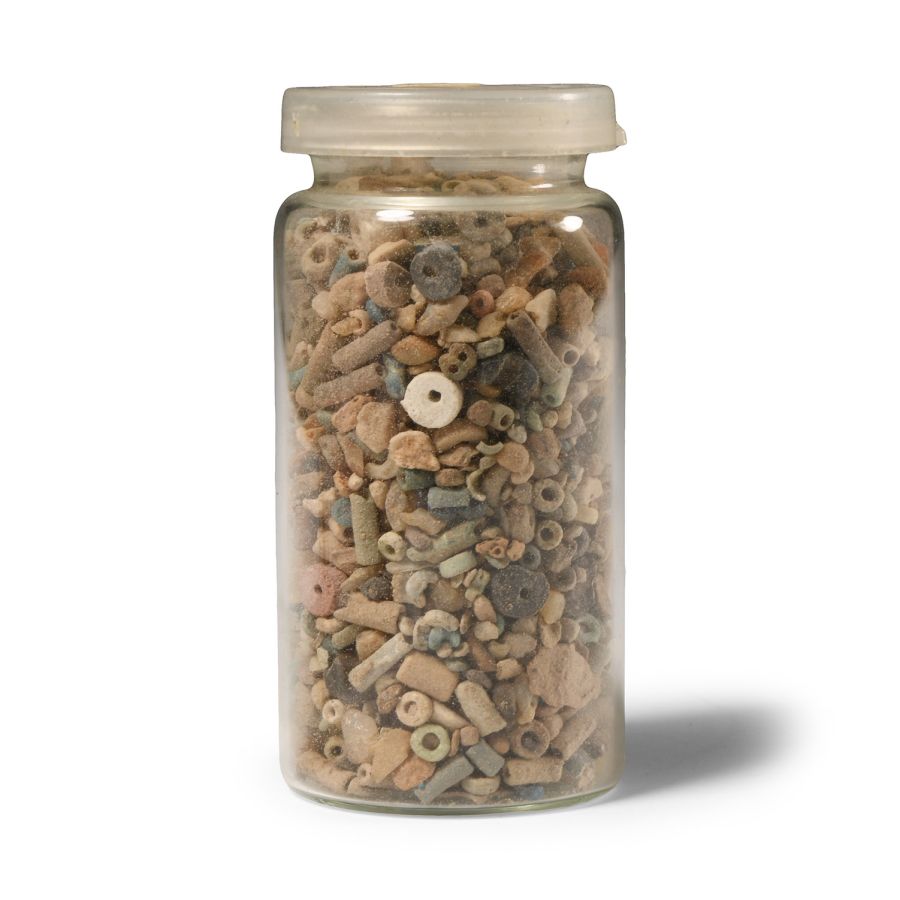
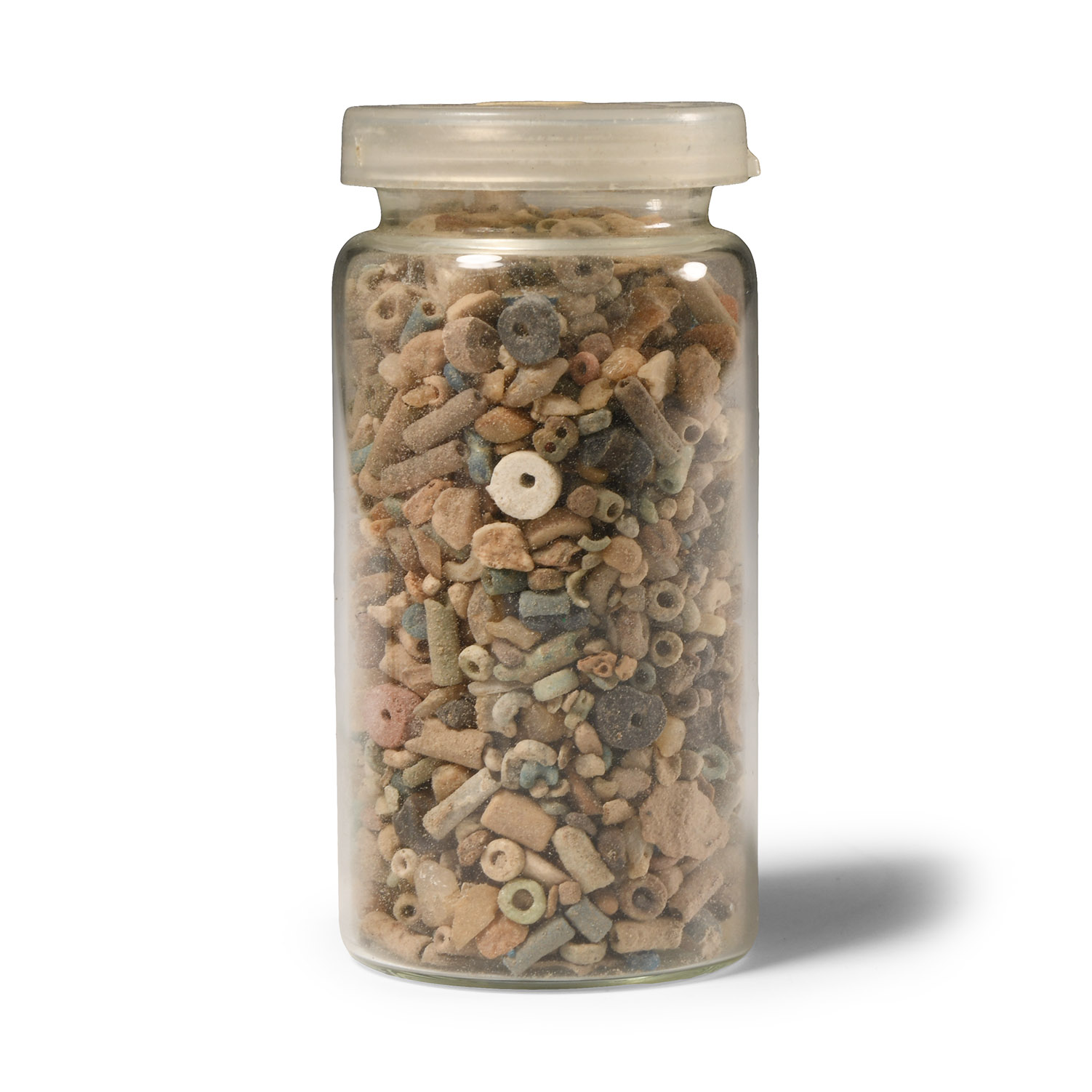
Egyptian Faience Bead Collection
NEW KINGDOM-LATE PERIOD, CIRCA 1550-332 B.C.
2 1/2 in. (61 grams total, 64 mm).
Mainly tubular, annular and oblate types in various colours. [No Reserve]
ProvenanceAcquired from Ancient & Oriental, circa 1987.
Ian Wilkinson collection, Nottinghamshire, UK, formed since 1985.
Cf. Riccardelli, C., Mass, J.L., Thornton, ‘Egyptian Faience Inlay Techniques: a process for obtaining detail and clarity by refiring’ in Material Issues in Art and Archaeology VI, Boston, vol.712, 2002, pp.II10.7.2II.10.25, for discussion of the Egyptian faience of the New Kingdom.
FootnotesThe faience of the New Kingdom period is frequently decorated with an expanded palette of red, black, and yellow. This polychrome decoration was often accomplished by inlaying one colour of paste onto another.
CONDITIONTimeLine Auctions follows a vetting process to ensure the authenticity and legality of all items, reinforcing our commitment to integrity and responsible trading. Each antiquity, antique, and coin lot undergoes thorough examination by a vetting committee of at least ten external specialists, professional trade association members, scientists, and archaeologists: Our Vetting Process
AUCTIONS:
TimeLine is a leading auction house specialising in antiquities, ancient art, collectables, natural history, coins, medals, and books. Our auctions offer museums, collectors, historians, and enthusiasts the opportunity to acquire unique and historically significant pieces.
-
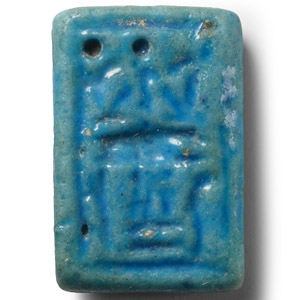
Egyptian Faience Bead for Ramesses II
New Kingdom, 19th Dynasty, 1279-1213 B.C.Sold for (Inc. bp): £286
Rectangular bead with faintly impressed hieroglyphs on both broad faces, giving Ramesses II's birth and throne names. 3.59 grams, 23 mm
From the old Belfort collection, expert Jean Roudillon. Ex Hotel des Ventes de Belfort. Property of a French collector. -
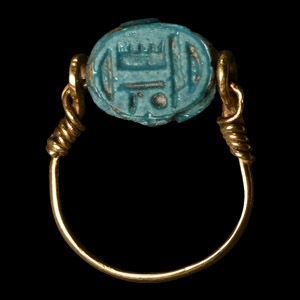
Egyptian Bright Blue Faience Scarab in Gold Ring
Late Period, 664-332 B.C. and laterSold for (Inc. bp): £494
Scarab with detailed carapace and legs, impressed hieroglyphs to the underside; set in a 19th century gold ring. 2.44 grams, 23.63 mm overall, 17.57 x 16.48 mm internal diameter (approximate size British M, USA 6, Europe 12.46, Japan 12)
From an early 20th century collection. -
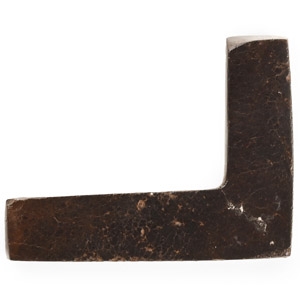
Egyptian Hardstone Architectural Amulet
Late Period, 664-332 B.C.Estimate: £250 - 350 (+bp*)
Opening Bid: £125
Carved haematite representation of a carpenter's or stonemason's set-square. 3.15 grams, 24 mm
with Hotel des Ventes, Drouot, Paris, France. From the collection of Mr H. Naudy, Paris, France. Acquired at between 2004-2010. Property of a French collector.
The L-shaped carpenter's or stonemason's square was used to measure right angles. Amulets of this tool symbolised integrity, moral uprightness, emotional equilibrium, and balance.
