
Loading, please wait...
LOT 0436
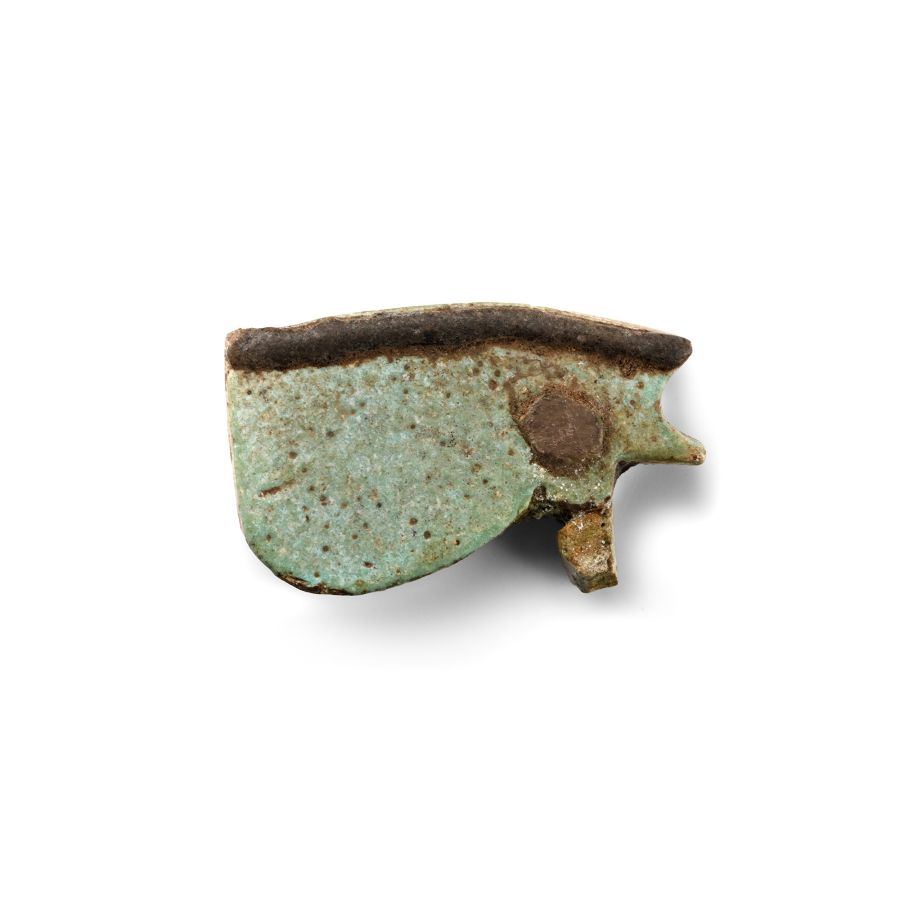
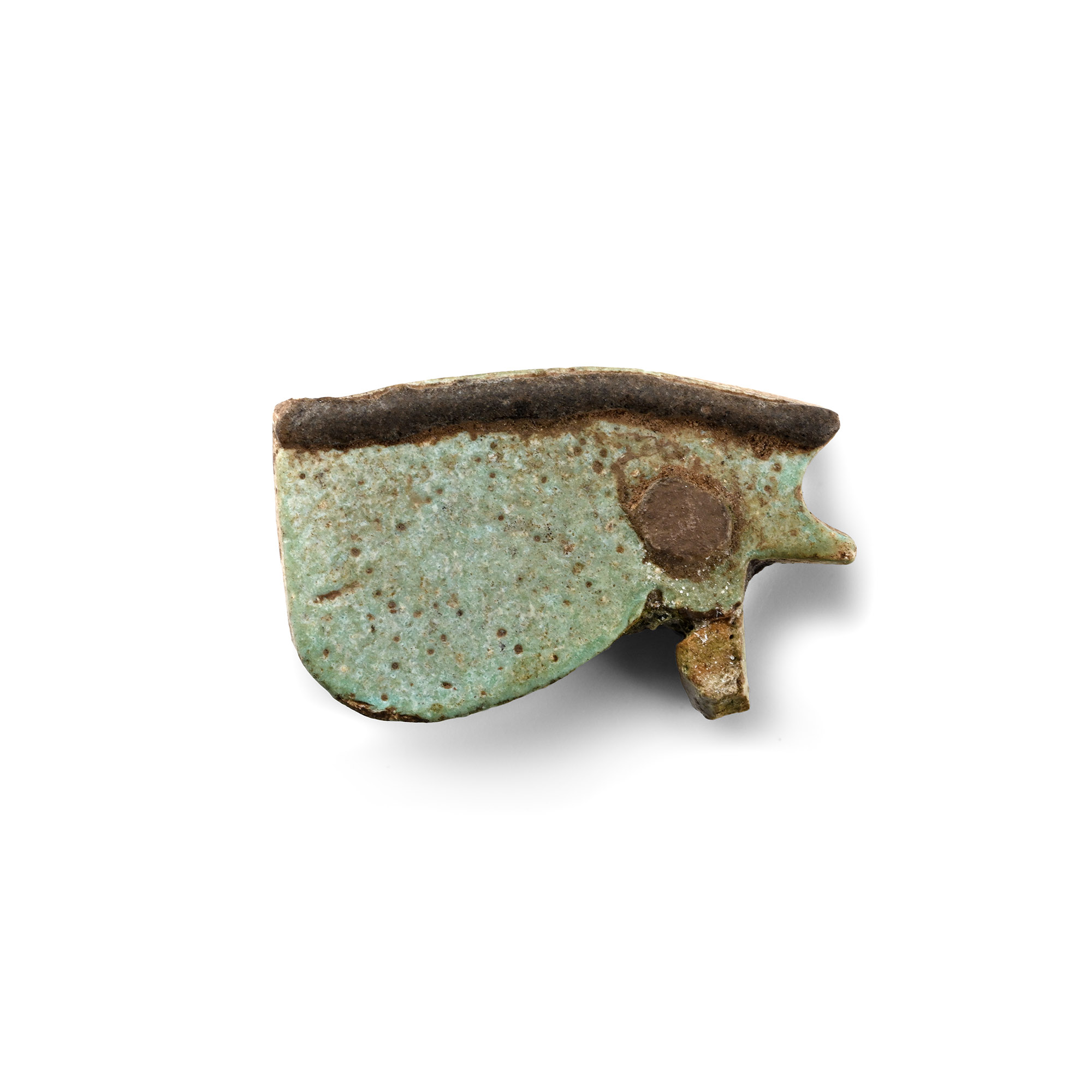
Egyptian Eye of Horus Amulet
LATE PERIOD, 664-332 B.C.
1 1/8 in. (4 grams, 30.8 mm).
Wedjat amuletic bead with applied black detailing to the pupil and brow. [No Reserve]
Provenancewith Archaeologia, Switzerland, before 1983.
Ex private North American collection.
London private collection, 2016.
Cf. Andrews, C., Amulets of Ancient Egypt, London, 1994, pl.46, for type.
CONDITIONTimeLine Auctions follows a vetting process to ensure the authenticity and legality of all items, reinforcing our commitment to integrity and responsible trading. Each antiquity, antique, and coin lot undergoes thorough examination by a vetting committee of at least ten external specialists, professional trade association members, scientists, and archaeologists: Our Vetting Process
AUCTIONS:
TimeLine is a leading auction house specialising in antiquities, ancient art, collectables, natural history, coins, medals, and books. Our auctions offer museums, collectors, historians, and enthusiasts the opportunity to acquire unique and historically significant pieces.
-
.jpg)
Large Egyptian Red Stone Scarab
Late Period, 664-332 B.C.Sold for (Inc. bp): £468
Plano-convex in section, carved in the half-round scarab with segmented carapace; underside plain. 56.6 grams, 42 mm
with Archaeologia, Switzerland, before 1983. Ex private North American collection. London private collection, 2016. -
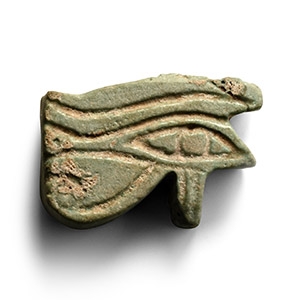
Egyptian Eye of Horus Amulet
Late Period, 664-332 B.C.Sold for (Inc. bp): £286
Large wedjat-eye amulet with incised human and falcon elements. 7.64 grams, 33.6 mm
with Archaeologia, Switzerland, before 1983. Ex private North American collection. London private collection, 2016. This lot has been checked against the Interpol Database of stolen works of art and is accompanied by search certificate number no.13162-242767. -
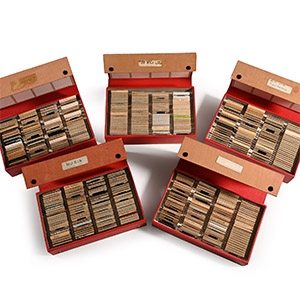
Historic Collection of 861 Slides of Archaeological Sites in Egypt
1960s-1980s A.D.Sold for (Inc. bp): £910
Housed in five linen-covered boxes, covering Edfu, Kom Ombo, Nubia, Middle Kingdom Tombs, Semmebtisi, Thebes, Abu Simbel, Bersha, Gebravi, Rifa, Upper Egypt, El Kab, Esna, Medamud etc. 4.21 kg total, 26.5 x 16.5 x 6.5 cm each box
Property of archaeologist Stephanie Gee, N.W. London, UK, 1960s-1980s.
Stephanie Gee was a prominent archaeologist who took part in several expeditions in Egypt. She was a trusted assistant to the British-Australian archaeologist Veronica Seton-Williams, who excavated in Egypt, Britain, and the Near East. Stephanie also took part in the Tell El-Farâ'în expeditions of 1965-1968, and assisted Seton-Williams with preparing the 1966 expedition report. Their collaboration continued and Stephanie helped with the manuscript of Seton-Williams’ book ‘The Road to El-Aguzein’, a narrative account of her life that was first published in 1988.
