
Loading, please wait...
LOT 0477
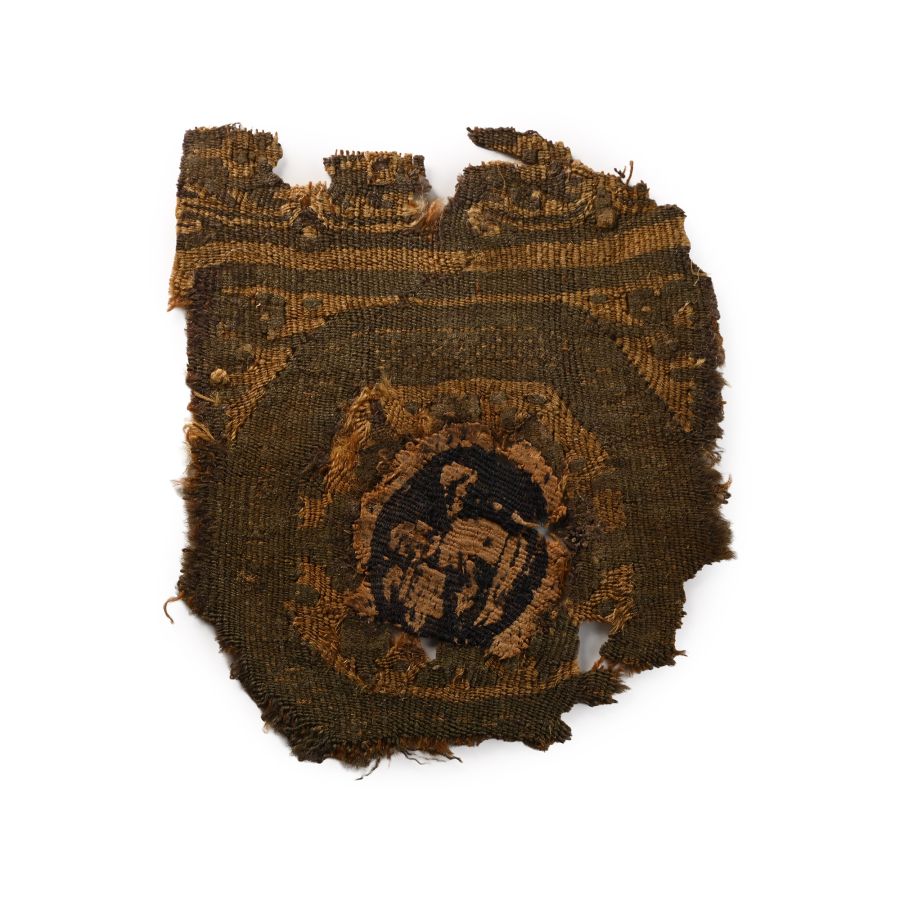
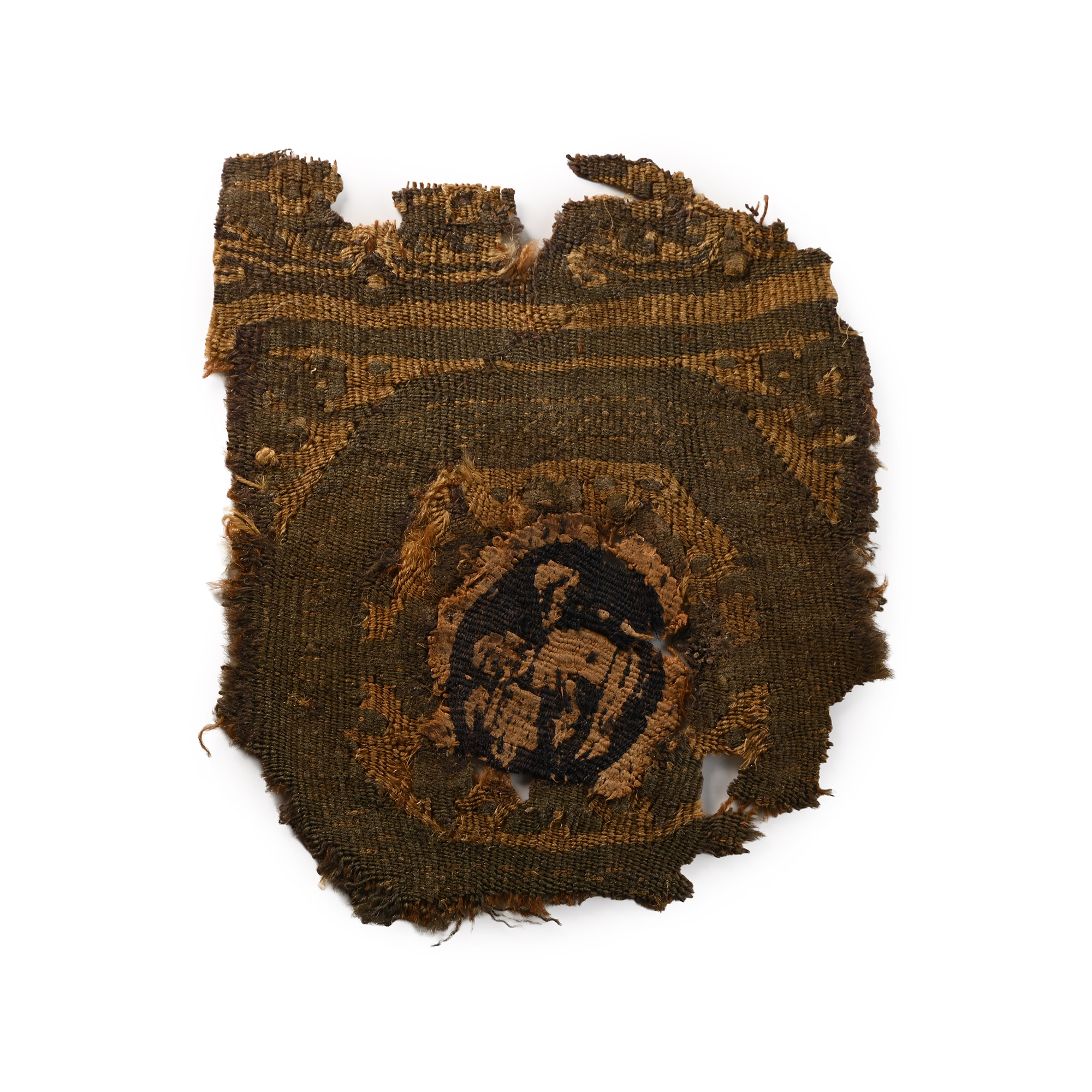
Egyptian Coptic Textile Fragment
CIRCA 4TH-5TH CENTURY A.D.
3 1/2 in. (11 grams total including package, 88 mm).
An orbiculus in coarse linen and green wool, S torsion, embroidered with the image of putto with holding a box and looking left, surrounded by tondos ornamented with vegetal embroidery, borders decorated with floral elements. [No Reserve]
ProvenanceAcquired 1970s-1996.
Property of a North American collector.
London collection, 2016.
Cf. Institut du monde arabe, L'art copte en Égypte: 2000 ans de Christianisme : exposition présentée à l'Institut du monde arabe, Paris, du 15 mai au 3 septembre 2000, Paris, 2000, p.191, no.211, for a similar textile image on papyrus.
FootnotesThe iconography of this fragment is called "Nilotic," as it depicts plant and human elements linked to life on the Nile River. These images are very recurrent on Coptic textiles. Weavers created patterns that allowed them to reproduce these motifs on any type of fabric (curtains, tassels, clothing).
CONDITIONTimeLine Auctions follows a vetting process to ensure the authenticity and legality of all items, reinforcing our commitment to integrity and responsible trading. Each antiquity, antique, and coin lot undergoes thorough examination by a vetting committee of at least ten external specialists, professional trade association members, scientists, and archaeologists: Our Vetting Process
AUCTIONS:
TimeLine is a leading auction house specialising in antiquities, ancient art, collectables, natural history, coins, medals, and books. Our auctions offer museums, collectors, historians, and enthusiasts the opportunity to acquire unique and historically significant pieces.
-
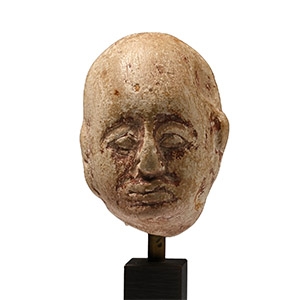
Egyptian Stone Head of a Man
Hyksos Period, circa 1648-1540 B.C.Estimate: £700 - 900 (‡+bp*)
Opening Bid: £350
A miniature male head with high eyebrows, large eyes, and protruding nose and mouth; traces of polychrome; inked collector's number '46' on the back; mounted on a custom-made display stand. 76 grams total, 92 mm including stand
Collection of Ambassador G.P., Nr.203, before 1965. with Galerie Rhéa, Zurich, Switzerland. -
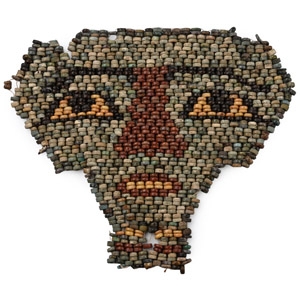
Egyptian Faience Beaded Mummy Mask
Ptolemaic Period, 332-30 B.C.Sold for (Inc. bp): £169
A restrung beadwork panel of small glazed composition beads in various colours representing a mummy face mask with false beard. 29.7 grams, 12 cm wide
Acquired on the UK art market before 2000. Property of an Essex, UK, gentleman.
Bead masks like this were attached to the outside of a mummy's wrappings and often formed part of an elaborate beaded feature covering the entire body. -
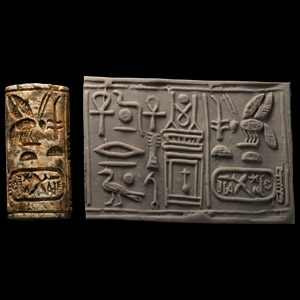
Egyptian Stone Cylinder Seal with Cartouche of Psusennes
Third Intermediate Period, circa 1055-950 B.C.Sold for (Inc. bp): £1,950
Large cylinder with deeply incised hieroglyphs, including the royal titulary above a cartouche of Psusennes I or II. 31.7 grams, 44 mm
From the collection of a gentleman, acquired on the London art market in the 1990s.
