
Loading, please wait...
LOT 0447
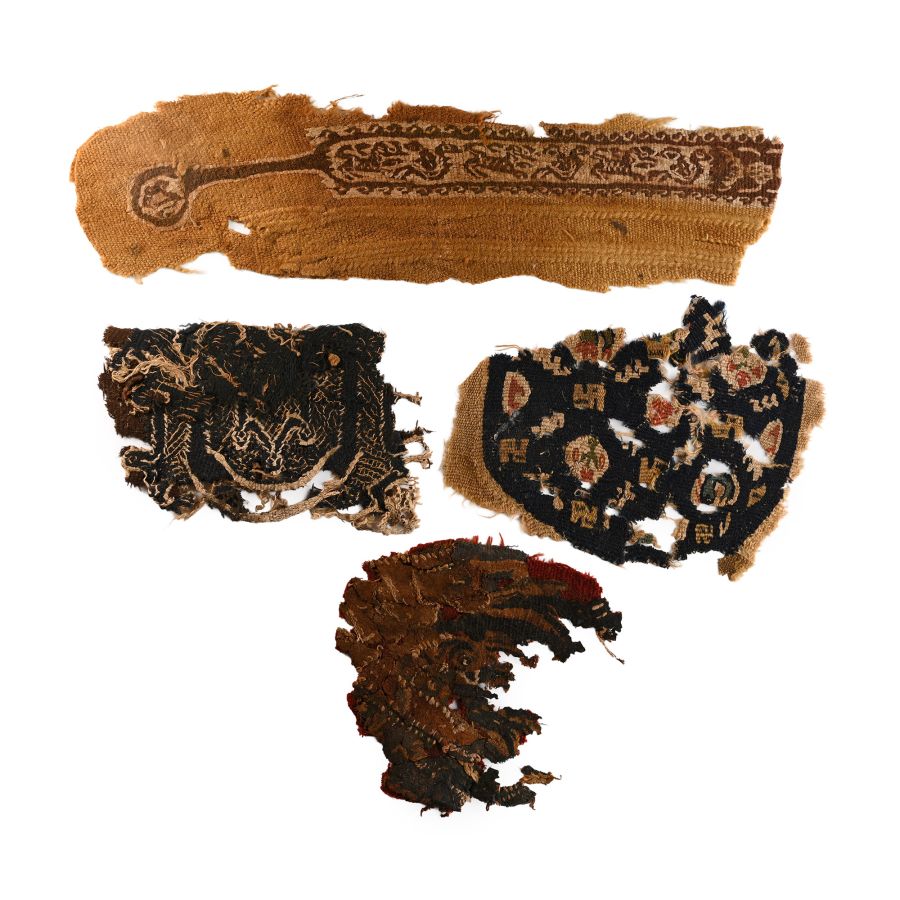
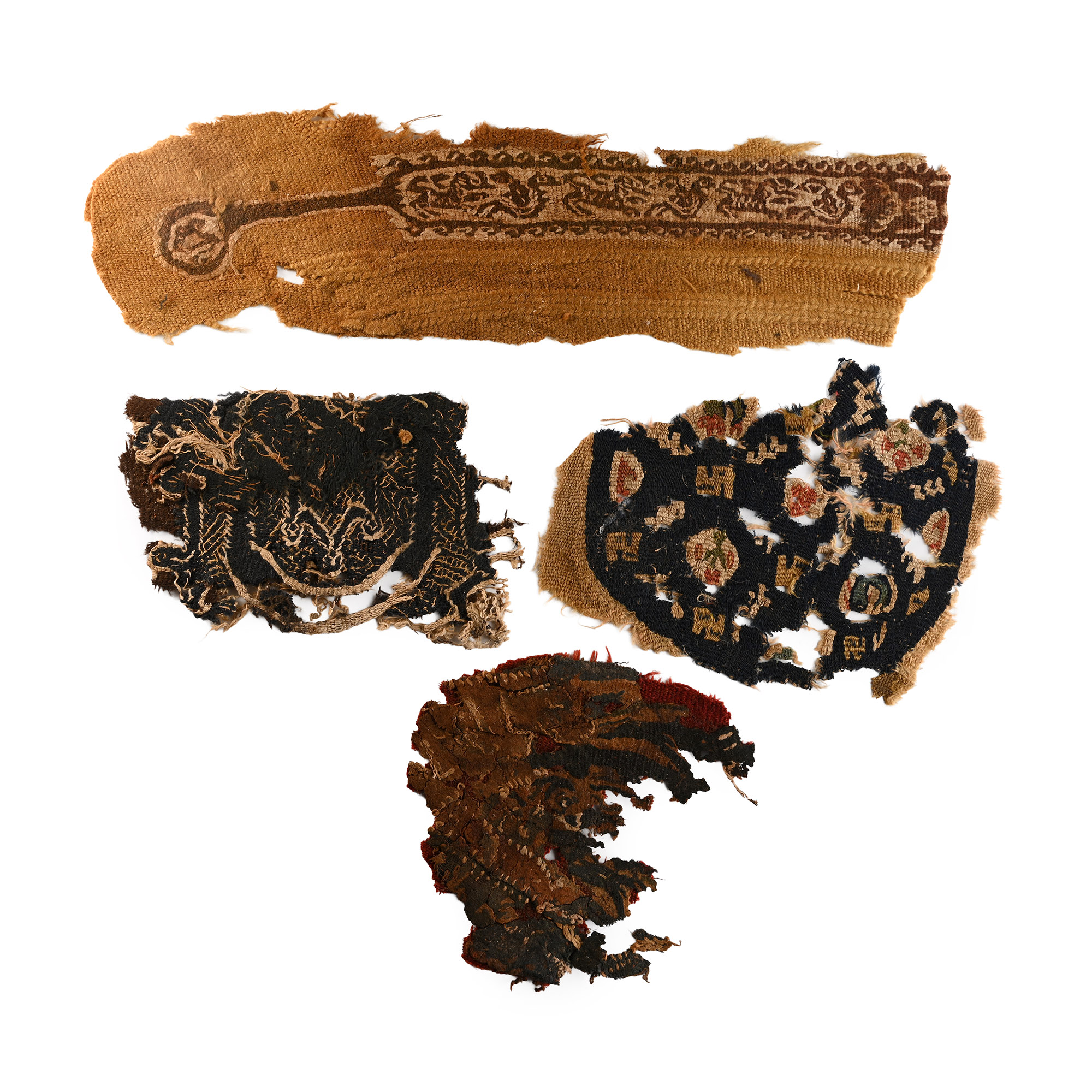
Egyptian Coptic Textile Fragment Group
CIRCA 4TH-6TH CENTURY A.D.
4 1/4 - 10 1/2 in. (67 grams total including package, 10.7-26.6 cm).
Comprising: a fragment of a segmentum in white linen and blue wool, D torsion, with remains of a medallion embroidered with architectonical ornaments; fragment of an orbiculus in linen and red, brown, yellow and blue wool, S torsion, embroidered with vegetal patterns and the central images of an animal; a further fragment of an orbiculus in white linen and red, white, black wool, S torsion, embroidered with floral buds, a tetragamma and animals; a beautiful fragment of clavus, purple wool on linen, embroidered with lions catching birds. [4, No Reserve]
ProvenanceAcquired 1970s-1996.
Property of a North American collector.
London collection, 2016.
Cf. Del Francia Barocas, L., Antinoe, Cent’anni dopo,catalogo della mostra, Firenze, Palazzo Medici Riccardi, 10 Luglio – 1 novembre 1998, p.76, for similar textiles.
FootnotesScenes featuring personified animals first appeared during the early Pharaonic period and continued through to the Coptic era. These animals are often featured in scenes of music and dance, or processions linked with Dionysiac iconography.
CONDITIONTimeLine Auctions follows a vetting process to ensure the authenticity and legality of all items, reinforcing our commitment to integrity and responsible trading. Each antiquity, antique, and coin lot undergoes thorough examination by a vetting committee of at least ten external specialists, professional trade association members, scientists, and archaeologists: Our Vetting Process
AUCTIONS:
TimeLine is a leading auction house specialising in antiquities, ancient art, collectables, natural history, coins, medals, and books. Our auctions offer museums, collectors, historians, and enthusiasts the opportunity to acquire unique and historically significant pieces.
-
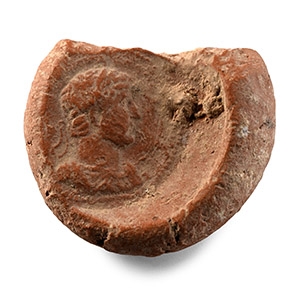
Egyptian Clay Papyrus Document Sealing with Bust of Hadrian
Roman Period, 117-135 A.D.Sold for (Inc. bp): £247
Discoid in plan with impressed seal, profile bust of Hadrian placed to one side. 4.89 grams, 24 mm
Acquired on the UK art market before 2000. Property of an Essex, UK, gentleman. -
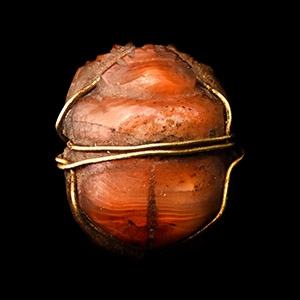
Egyptian Hardstone Scarab with Later Gold Pendant Mount
Late Period, 664-332 B.C.Sold for (Inc. bp): £572
Carved scarab with detailed carapace and mouth parts; later gold wire mount for suspension. 2.88 grams, 16.54 mm
Early 20th century UK, collection. -
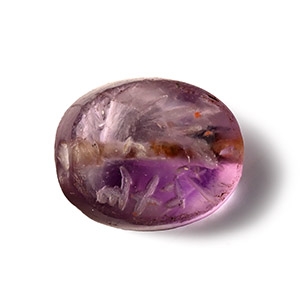
Phoenician Amethyst Scarab with Horse’s Head and Later Aramaic Inscription
Late 1st millennium B.C.Sold for (Inc. bp): £572
Scaraboid in form with transverse piercing, four later engraved Aramaic characters engraved to the flat face above a horse-head motif; supplied with a museum-quality impression. 1.59 grams, 13 mm
From the private collection of the late Mr S.M., London, UK, 1969-1999; thence by descent. Accompanied by a copy of a previous cataloguing slip.
