
Loading, please wait...
LOT 0030
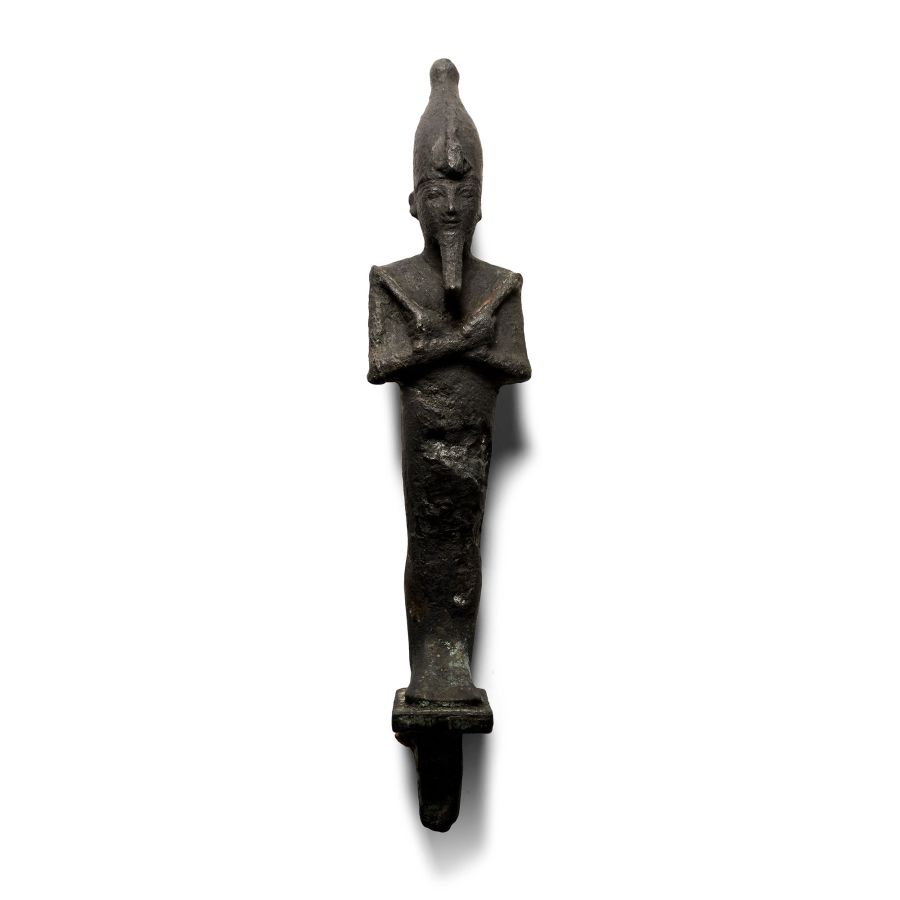
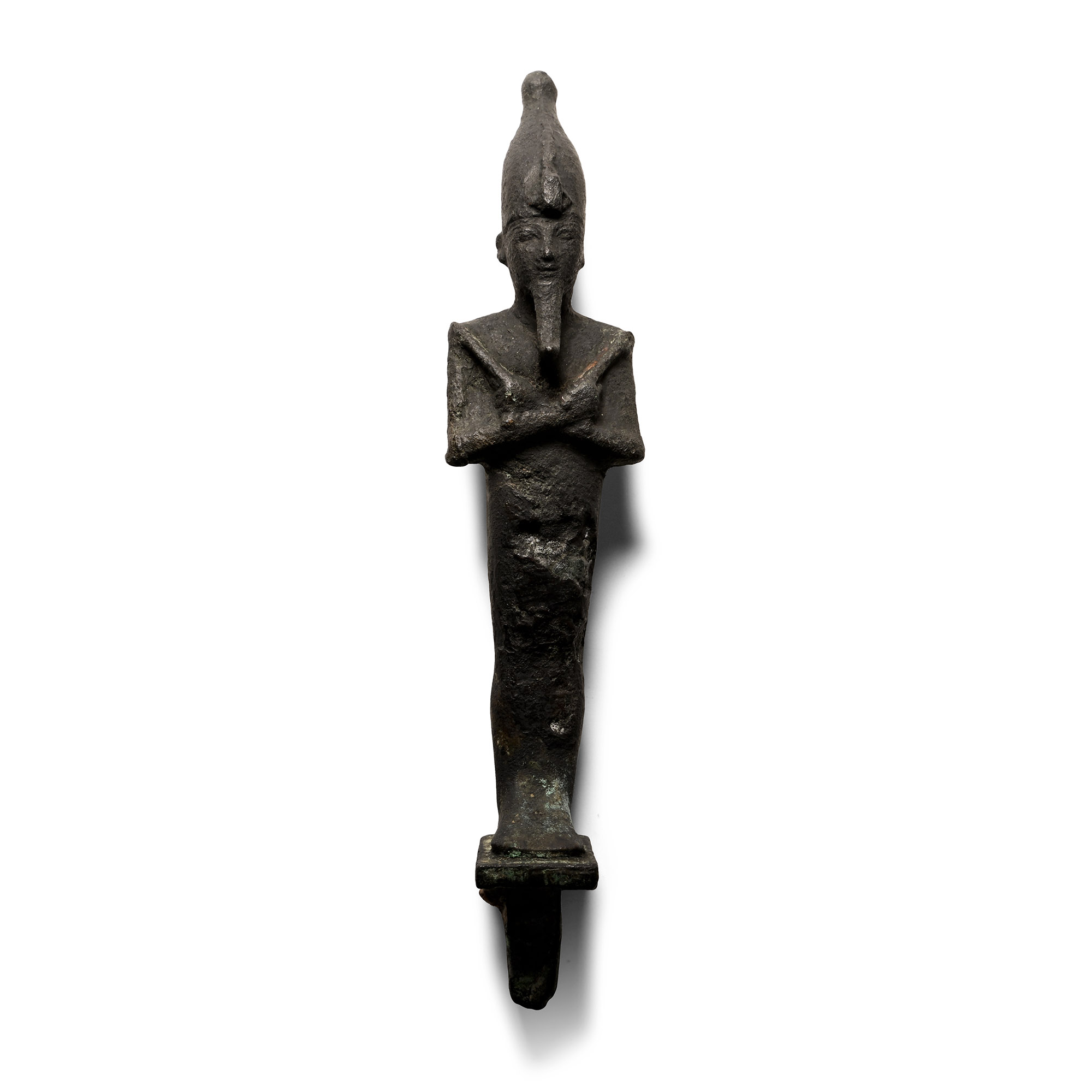
Egyptian Bronze Osiris Statuette
LATE-PTOLEMAIC PERIOD, CIRCA 664-30 B.C.
5 1/4 in. (136 grams, 13.5 cm).
Modelled in the round as a characteristically mummiform standing figure with arms crossed and holding the crook and flail regalia, wearing the hedjet crown and uraeus.
ProvenanceFrom the collection of a gentleman, acquired on the London art market in the 1990s.
LiteratureCf. Tiribilli, E., The bronze figurines of the Petrie Museum from 2000 BC to AD 400, GHP Egyptology 28, London, 2018, p. 69, no. 81, for a similar example.
FootnotesOsiris is a deity associated with death and fertility, widely acknowledged as the supreme god of rebirth. Although he was once a mortal ruler, as a deity, his domain was the Underworld. Abydos served as the primary cult site of Osiris’s worship, where a renowned annual celebration in his honour took place.
CONDITIONTimeLine Auctions follows a vetting process to ensure the authenticity and legality of all items, reinforcing our commitment to integrity and responsible trading. Each antiquity, antique, and coin lot undergoes thorough examination by a vetting committee of at least ten external specialists, professional trade association members, scientists, and archaeologists: Our Vetting Process
AUCTIONS:
TimeLine is a leading auction house specialising in antiquities, ancient art, collectables, natural history, coins, medals, and books. Our auctions offer museums, collectors, historians, and enthusiasts the opportunity to acquire unique and historically significant pieces.
-
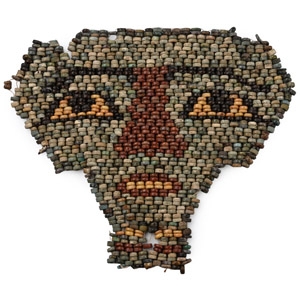
Egyptian Faience Beaded Mummy Mask
Ptolemaic Period, 332-30 B.C.Sold for (Inc. bp): £169
A restrung beadwork panel of small glazed composition beads in various colours representing a mummy face mask with false beard. 29.7 grams, 12 cm wide
Acquired on the UK art market before 2000. Property of an Essex, UK, gentleman.
Bead masks like this were attached to the outside of a mummy's wrappings and often formed part of an elaborate beaded feature covering the entire body. -
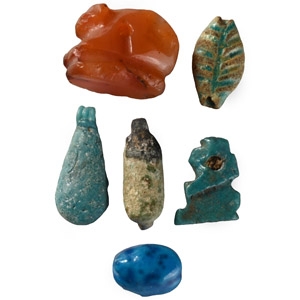
Egyptian Amulet Bead Collection
Late Period, 664-332 B.C.Sold for (Inc. bp): £156
Including a scaraboid, ribbed leaf, recumbent feline, and other types. 2.79 grams total, 8.3-14.7 mm
with Archaeologia, Switzerland, before 1983. Ex private North American collection. London private collection, 2016. -
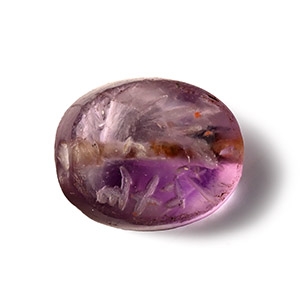
Phoenician Amethyst Scarab with Horse’s Head and Later Aramaic Inscription
Late 1st millennium B.C.Sold for (Inc. bp): £572
Scaraboid in form with transverse piercing, four later engraved Aramaic characters engraved to the flat face above a horse-head motif; supplied with a museum-quality impression. 1.59 grams, 13 mm
From the private collection of the late Mr S.M., London, UK, 1969-1999; thence by descent. Accompanied by a copy of a previous cataloguing slip.
