
Loading, please wait...
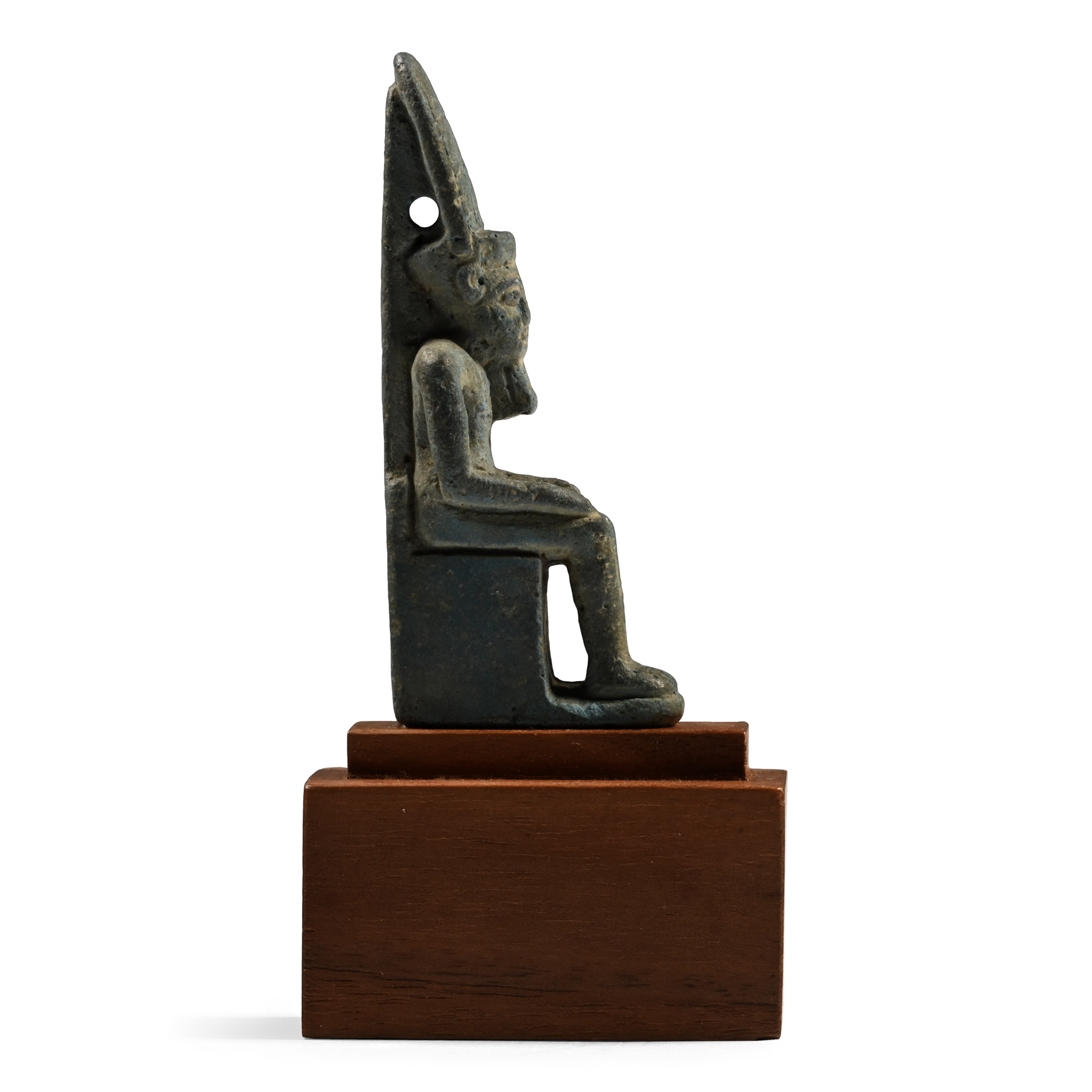
LOT 0033
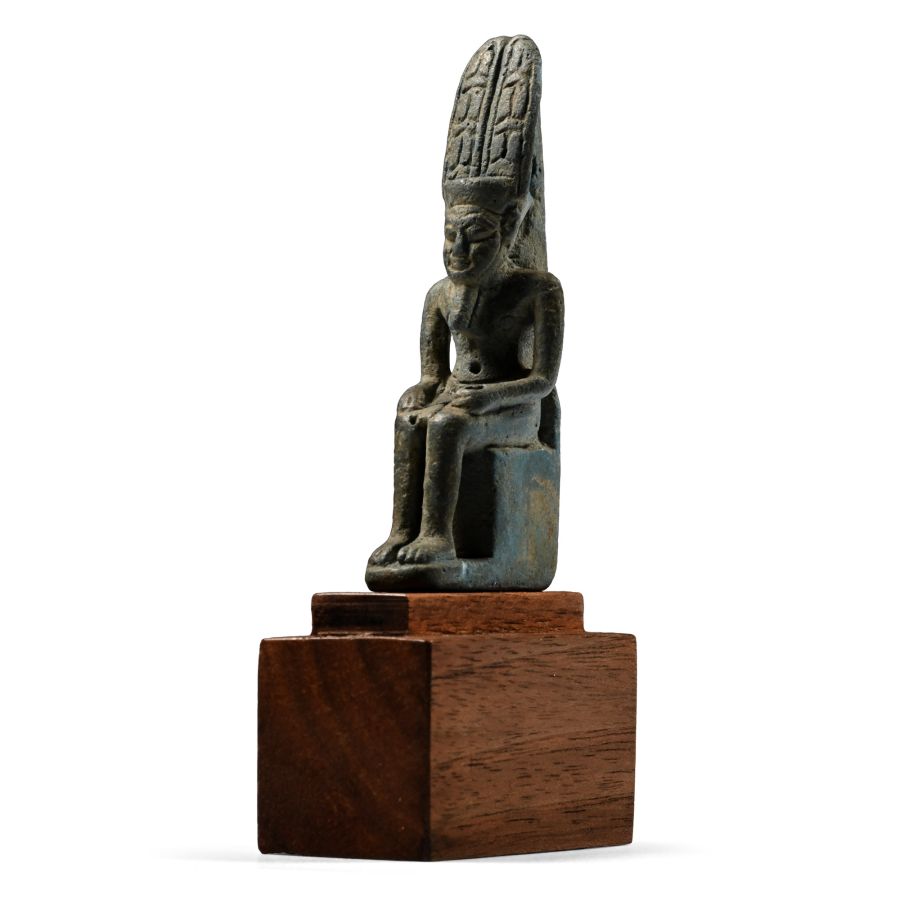
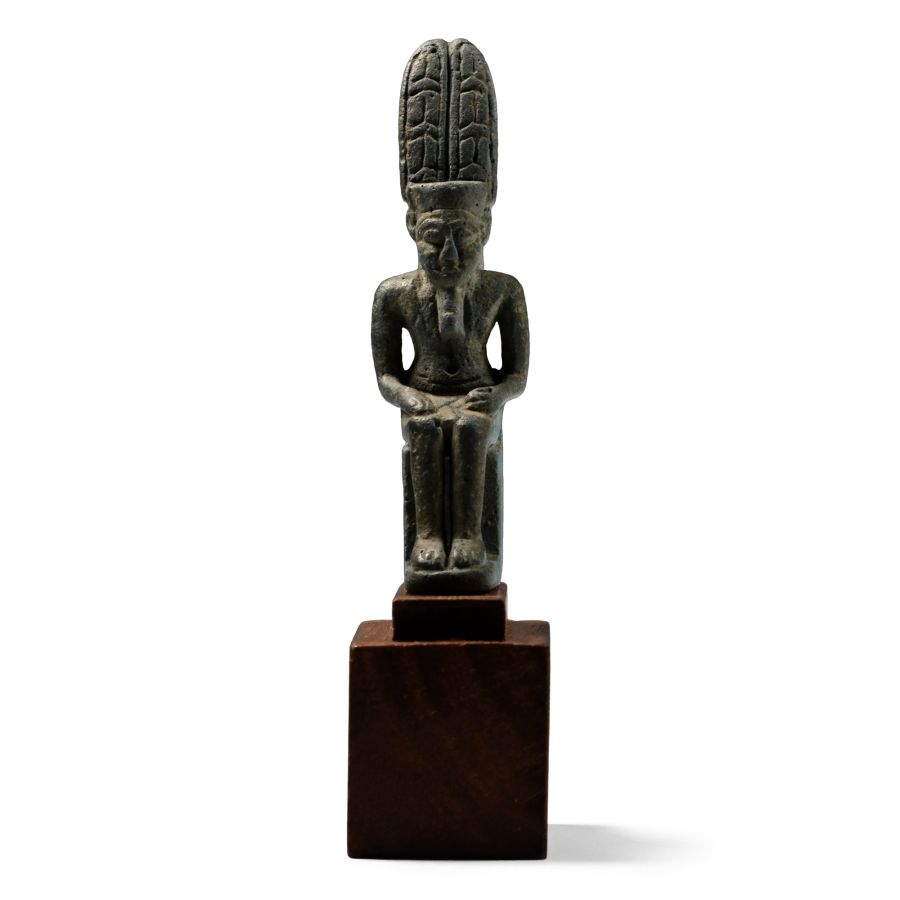
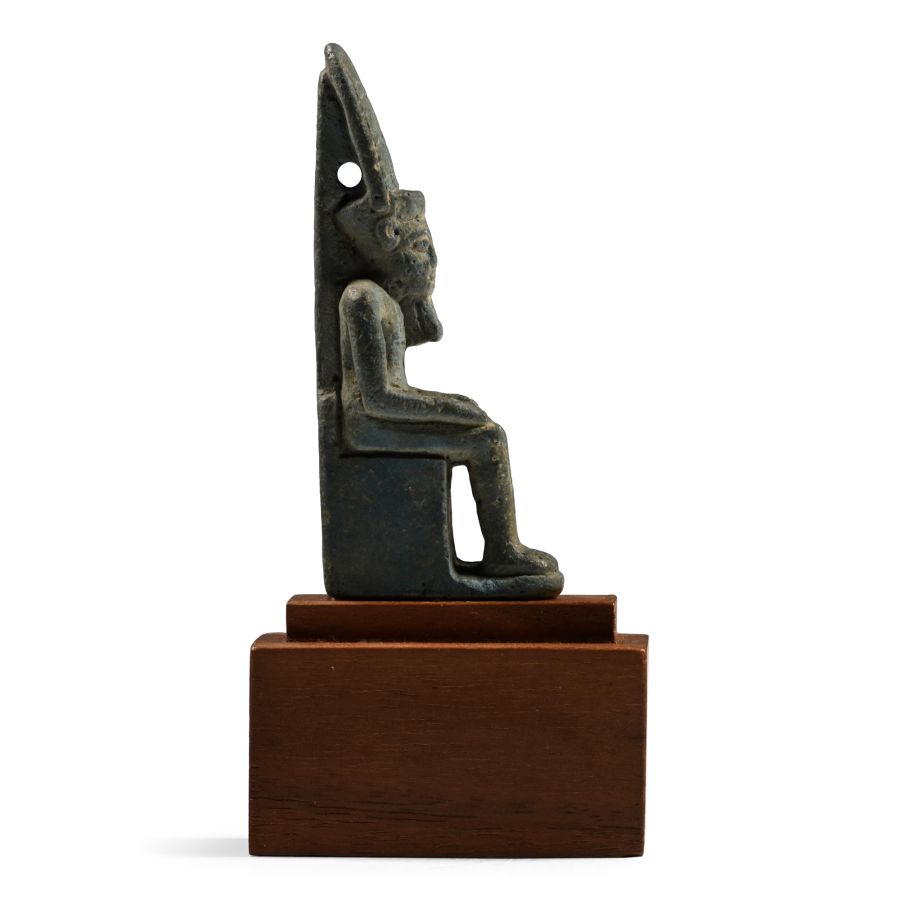
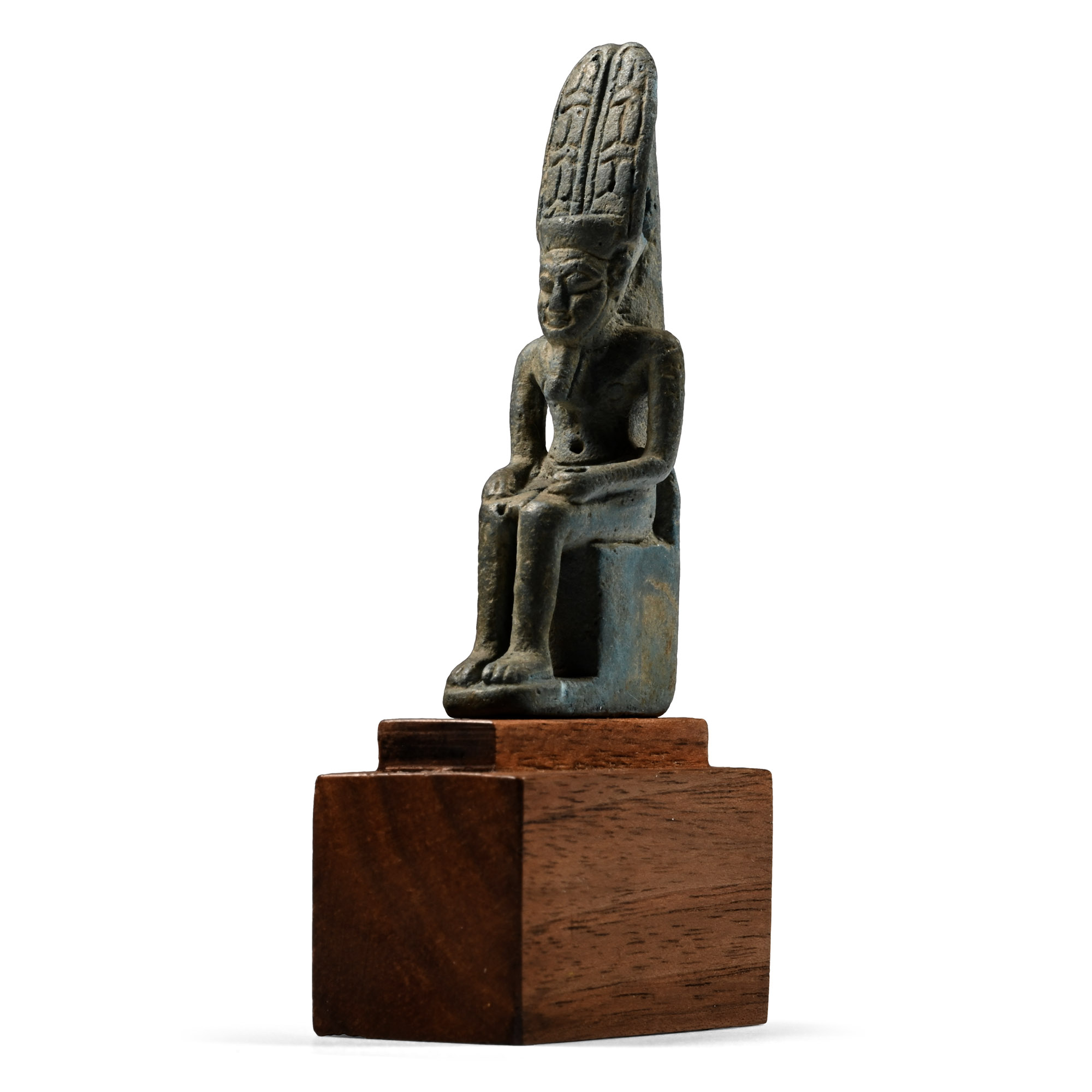
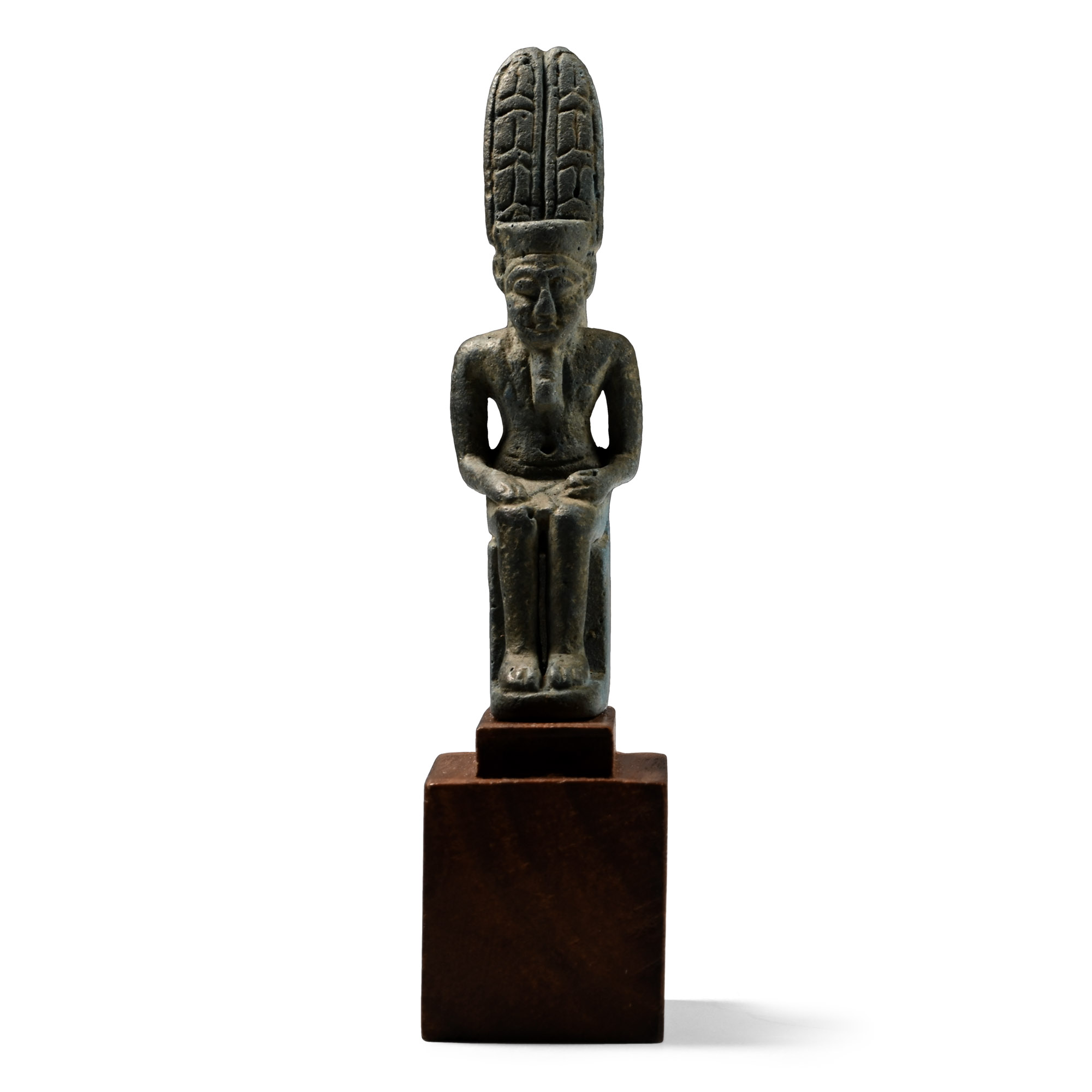
Egyptian Blue Amulet of Amun
LATE PERIOD, 26TH DYNASTY, CIRCA 664-525 B.C.
2 3/4 in. (15.75 grams total, 71 mm including stand).
The god modelled seated on a throne with a dorsal pillar, hands resting on his knees, wearing a short kilt and a two-plume feather crown; mounted on a wooden stand.
Provenancewith Charles Ede Ltd, London, UK.
Private collection, London, UK, acquired from the above on 12 July 1994.
Accompanied by a copy of the Charles Ede invoice.
This lot has been checked against the Interpol Database of stolen works of art and is accompanied by a search certificate number no.12632-235078.
This lot has been cleared against the Art Loss Register database, and is accompanied by an illustrated lot declaration signed by the Head of the Antiquities Department, Dr Raffaele D'Amato.
Cf. Petrie, W.M.F., Amulets. Illustrated by the Egyptian Collection in University College, London, 1914, pl. XXX, no. 162a and 162d, for amulets of the god.
FootnotesThe amulet of the god Amun served both religious and protective purposes in ancient Egypt. Amun, a major deity associated with creation, kingship, and hidden power. Wearing an amulet bearing Amun’s image or name was believed to invoke his divine protection, grant strength, and confer favour or legitimacy. Such amulets were also placed among burial goods to ensure the deceased was protected and guided in the afterlife.
CONDITIONTimeLine Auctions follows a vetting process to ensure the authenticity and legality of all items, reinforcing our commitment to integrity and responsible trading. Each antiquity, antique, and coin lot undergoes thorough examination by a vetting committee of at least ten external specialists, professional trade association members, scientists, and archaeologists: Our Vetting Process
AUCTIONS:
TimeLine is a leading auction house specialising in antiquities, ancient art, collectables, natural history, coins, medals, and books. Our auctions offer museums, collectors, historians, and enthusiasts the opportunity to acquire unique and historically significant pieces.
LOT 0033
Egyptian Blue Amulet of Amun
Estimate £2,000 - 3,000€2,320 - 3,480 (for guidance only)$2,700 - 4,050 (for guidance only)
-
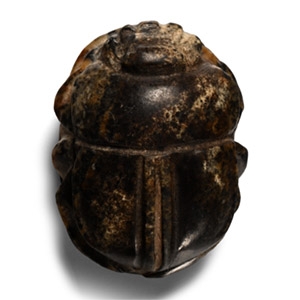
Egyptian Hardstone Scarab
Late Period, 664-332 B.C.Sold for (Inc. bp): £572
With detailed clypeus and head, raised ridge separating the wing case, resting on an oval base with plain underside. 10.1 grams, 27 mm
From the property of a London, UK, gentleman, 1970-2000s. This lot is accompanied by an illustrated lot declaration signed by the Head of the Antiquities Department, Dr Raffaele D'Amato.
The scarab, which represented the dung beetle, was the most popular amulet in ancient Egypt for approximately two thousand years until the Ptolemaic Period when it gradually fell out of favour. The popularity of scarabs extended beyond the borders of Egypt, and they were also distributed and produced in other regions, such as Phoenicia and Israel. The beetle is named khepri, derived from the verb 'to come into existence', and was considered the embodiment of the creator god Khepri, who was self-engendered. The ancient Egyptians mistakenly believed that the young beetle emerging from the dung ball was the result of an act of self-creation. -
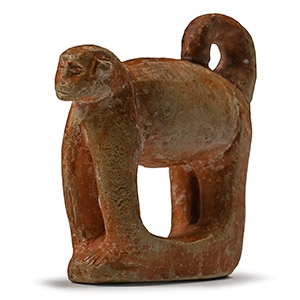
Egyptian Statuette of a Standing Monkey
Ptolemaic Period, 4th-1st century B.C. or laterEstimate: £800 - 1,000 (‡+bp*)
Opening Bid: £400
Standing on a rectangular plinth with head raised and tail curled above the hindquarters, barrel-shaped body with incised detailing at the shoulders and hips, traces of a white and reddish brown coating; partially restored; old collector's labels to underside '51' and 'N13234'. 42.8 grams, 60 mm
Ex Baden-Württemberg, Germany, formed since ca.1930. Private collection Saarland, Germany. Thereafter, Michael Schrôder, Germany. Consigned to DAWO Auktion, 18 February 2017, no.824. Accompanied by a copy of an Art Loss Register certificate no.S00123279. This lot is accompanied by an illustrated lot declaration signed by the Head of the Antiquities Department, Dr Raffaele D’Amato. This lot is accompanied by an illustrated lot declaration signed by the Head of the Antiquities Department, Dr Raffaele D'Amato. -
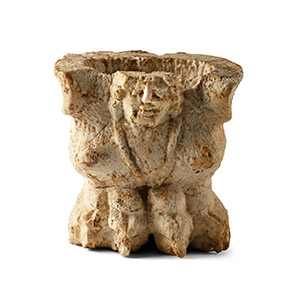
Phoenician Bone Sphinx
5th century B.C.Estimate: £800 - 1,000 (‡+bp*)
Opening Bid: £400
Seated with curving wings flanking the body and stocky body resting on over-sized lion-paws, small female head with rounded facial features and curly hair; hollow inside. 21.2 grams, 35 mm
Ex Dr Leo Mildenberg, Zurich, 1990s. with Galerie Rhéa, Zurich, Switzerland. This lot is accompanied by an illustrated lot declaration signed by the Head of the Antiquities Department, Dr Raffaele D'Amato.
Leo Mildenberg (1913–2001) was a distinguished numismatist and antiquities collector, widely recognised for his deep passion for ancient art, especially animal figures. Born in Germany and later based in Switzerland, Mildenberg built a renowned private collection that reflected his keen eye for craftsmanship and historical significance. His collection spanned cultures and periods, including Egyptian, Near Eastern, Greek, and Roman artefacts, with a particular emphasis on zoomorphic sculptures and votive figures. Portions of Mildenberg’s collection have been exhibited in major museums and featured in auction catalogues that remain important reference sources for scholars and collectors alike.
