
Loading, please wait...


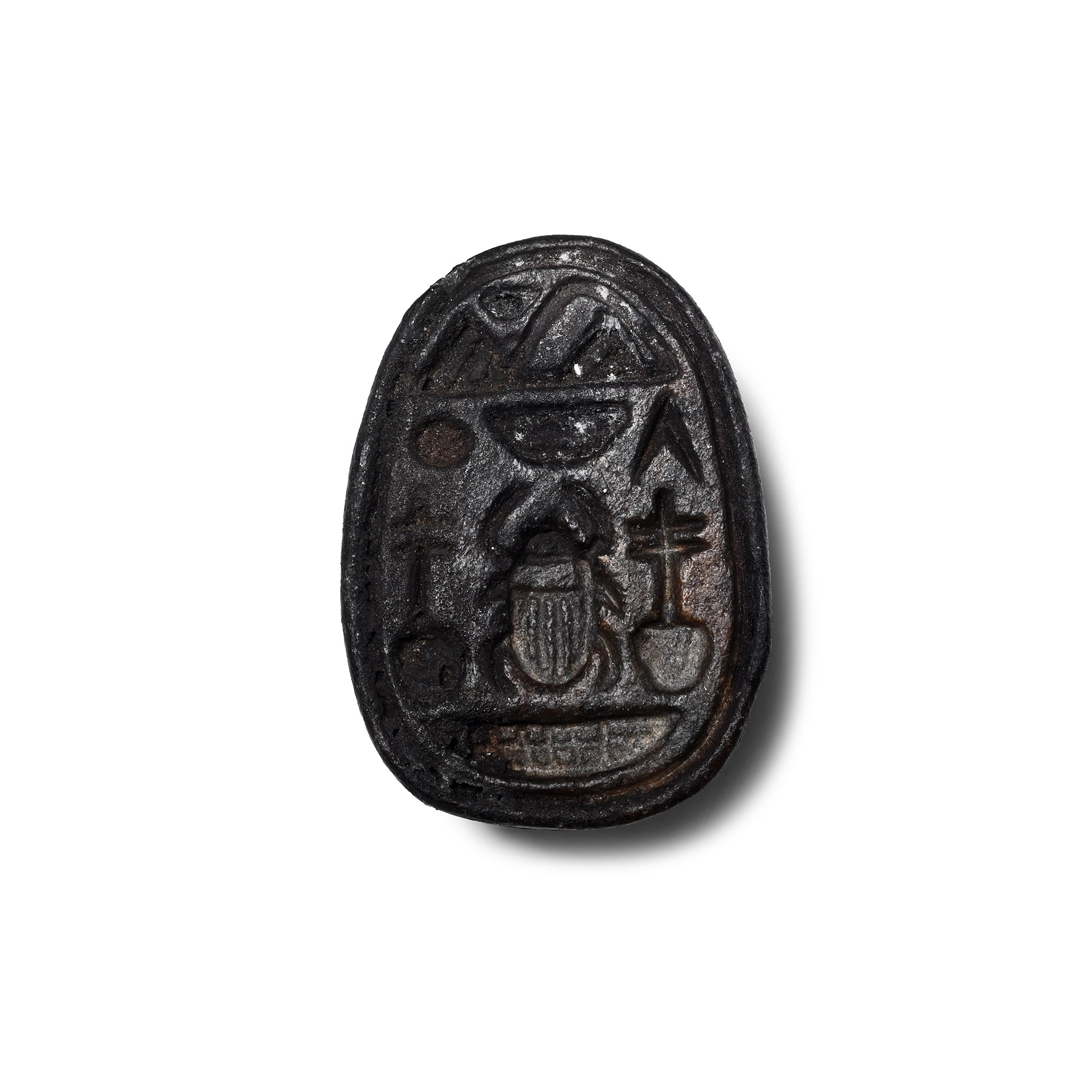
LOT 0428
Egyptian Black Stone Scarab
LATE PERIOD, 664-332 A.D.
1 1/4 in. (15.5 grams, 31 mm).
A finely detailed scarab body rests on an oval plate, its underside featuring deeply incised hieroglyphs, including the sun rising over a mountain, two neb signs, the khepri beetle, two nefer signs, a sun disc, and an enigmatic symbol, possibly the hepet sign.
ProvenanceFrom the collection of a gentleman, acquired on the London art market in the 1990s.
This lot is accompanied by an illustrated lot declaration signed by the Head of the Antiquities Department, Dr Raffaele D'Amato.
TimeLine Auctions follows a vetting process to ensure the authenticity and legality of all items, reinforcing our commitment to integrity and responsible trading. Each antiquity, antique, and coin lot undergoes thorough examination by a vetting committee of at least ten external specialists, professional trade association members, scientists, and archaeologists: Our Vetting Process
AUCTIONS:
TimeLine is a leading auction house specialising in antiquities, ancient art, collectables, natural history, coins, medals, and books. Our auctions offer museums, collectors, historians, and enthusiasts the opportunity to acquire unique and historically significant pieces.
-
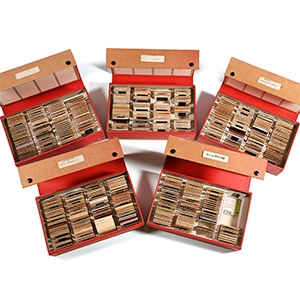
Historic Collection of 561 Slides of Archaeological Objects From Egypt
1960s-1980s A.D.Sold for (Inc. bp): £702
Housed in five linen-covered boxes, covering objects from the Old Kingdom, royal sculpture, general sculpture, and amulets, etc. 3.78 kg total, 26.5 x 16.5 x 6.5 cm each box
Property of archaeologist Stephanie Gee, N.W. London, UK, 1960s-1980s. This lot is accompanied by an illustrated lot declaration signed by the Head of the Antiquities Department, Dr Raffaele D'Amato.
Stephanie Gee was a prominent archaeologist who took part in several expeditions in Egypt. She was a trusted assistant to the British-Australian archaeologist Veronica Seton-Williams, who excavated in Egypt, Britain, and the Near East. Stephanie also took part in the Tell El-Farâ'în expeditions of 1965-1968, and assisted Seton-Williams with preparing the 1966 expedition report. Their collaboration continued and Stephanie helped with the manuscript of Seton-Williams’ book ‘The Road to El-Aguzein’, a narrative account of her life that was first published in 1988. -
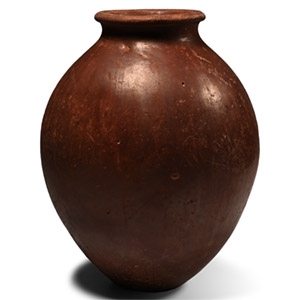
Egyptian Predynastic Globular Flask
Naqada II, 3500-3150 B.C.Sold for (Inc. bp): £1,040
A globular-shaped body with a disc base, short neck, and everted rim at the mouth; featuring a burnished red wash surface. 925 grams, 21 cm
Private collection. with Bonhams, London, 22 September 1998, no.130. European private collection. This lot is accompanied by an illustrated lot declaration signed by the Head of the Antiquities Department, Dr Raffaele D'Amato. -
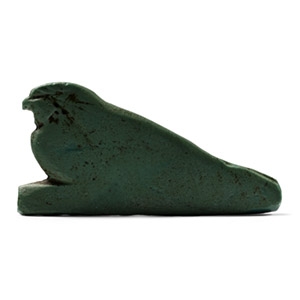
Egyptian Green-Blue Glass Inlay of the Horus Falcon
Ptolemaic Period, circa 332-30 B.C.Estimate: £500 - 700 (+bp*)
Opening Bid: £250
Modelled in silhouette with painted detailing; mounted on a custom-made stand. 24.15 grams total, 73 mm including stand
with Eternal Egypt, London, UK. Private collection, London, UK, acquired from the above on the 21 May 1992. Accompanied by a copy of the Eternal Egypt invoice. This lot is accompanied by an illustrated lot declaration signed by the Head of the Antiquities Department, Dr Raffaele D'Amato.
