
Loading, please wait...
LOT 0589
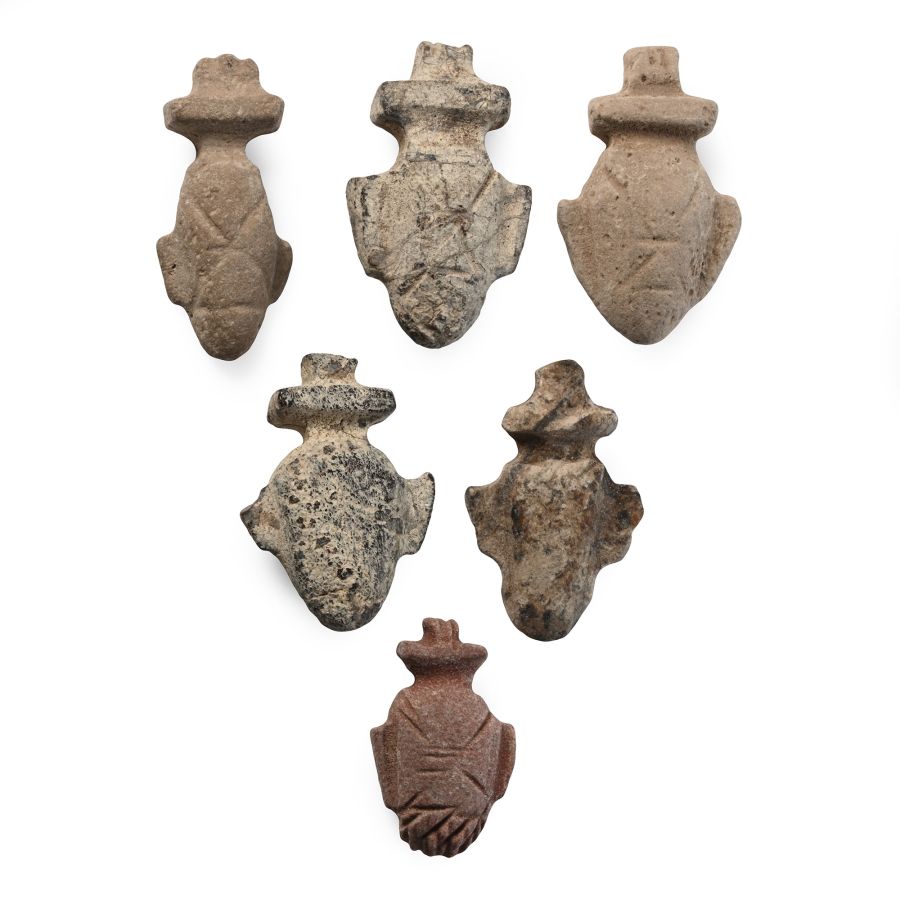
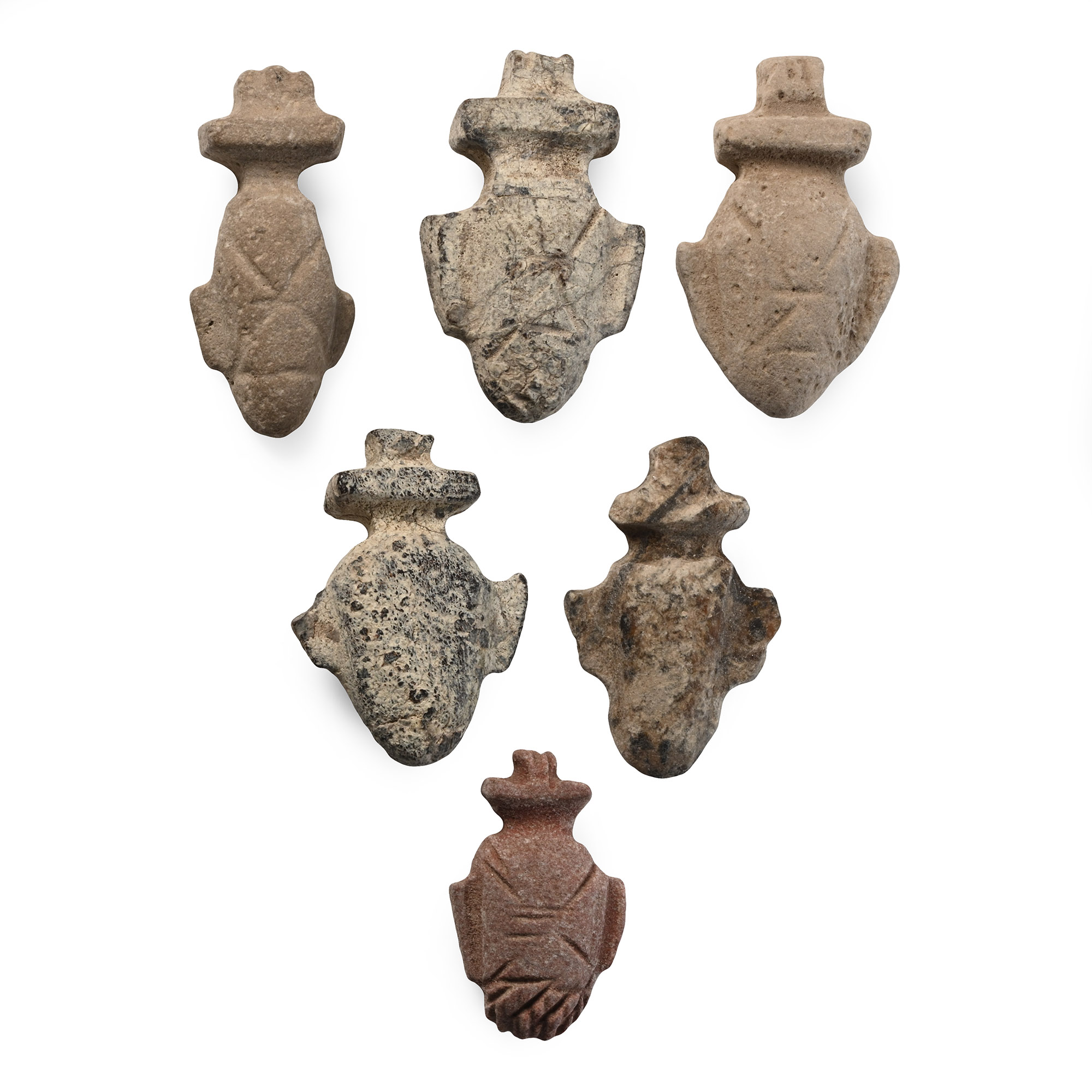
Egyptian Amulet Collection
LATE PERIOD, 664-332 B.C.
3/4 - 1 in. (14.85 grams total, 20-26 mm).
Mainly heart-type amulets in various materials. [6, No Reserve]
Provenancewith Archaeologia, Switzerland, before 1983.
Ex private North American collection.
London private collection, 2016.
TimeLine Auctions follows a vetting process to ensure the authenticity and legality of all items, reinforcing our commitment to integrity and responsible trading. Each antiquity, antique, and coin lot undergoes thorough examination by a vetting committee of at least ten external specialists, professional trade association members, scientists, and archaeologists: Our Vetting Process
AUCTIONS:
TimeLine is a leading auction house specialising in antiquities, ancient art, collectables, natural history, coins, medals, and books. Our auctions offer museums, collectors, historians, and enthusiasts the opportunity to acquire unique and historically significant pieces.
-
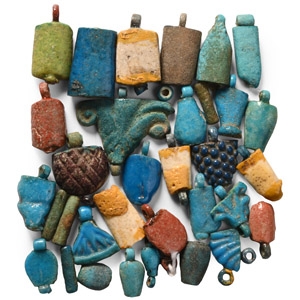
Egyptian Glazed Faience Bead and Amulet Collection
New Kingdom, 1550-1070 B.C.Sold for (Inc. bp): £143
Comprising various glazed amulets and beads, including grape bunch, lotus flower, and other types. 8.3 grams total, 2-19 mm
Ex Norri collection, Milton Keynes, UK, 1980s-1990s. -
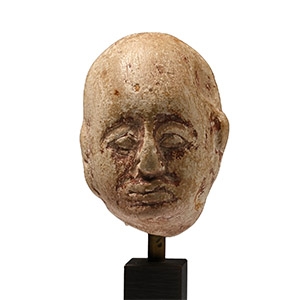
Egyptian Stone Head of a Man
Hyksos Period, circa 1648-1540 B.C.Estimate: £700 - 900 (‡+bp*)
Opening Bid: £350
A miniature male head with high eyebrows, large eyes, and protruding nose and mouth; traces of polychrome; inked collector's number '46' on the back; mounted on a custom-made display stand. 76 grams total, 92 mm including stand
Collection of Ambassador G.P., Nr.203, before 1965. with Galerie Rhéa, Zurich, Switzerland. -
.jpg)
Egyptian Black Stone Amulet with Cartouche
Late Period, 664-332 B.C.Sold for (Inc. bp): £416
Carved in low relief with hieroglyphs to the sub-rectangular plaque, with two feathers above; integral pierced lug to reverse. 3.15 grams, 29.8 mm
with Archaeologia, Switzerland, before 1983. Ex private North American collection. London private collection, 2016.
