
Loading, please wait...
LOT 0523
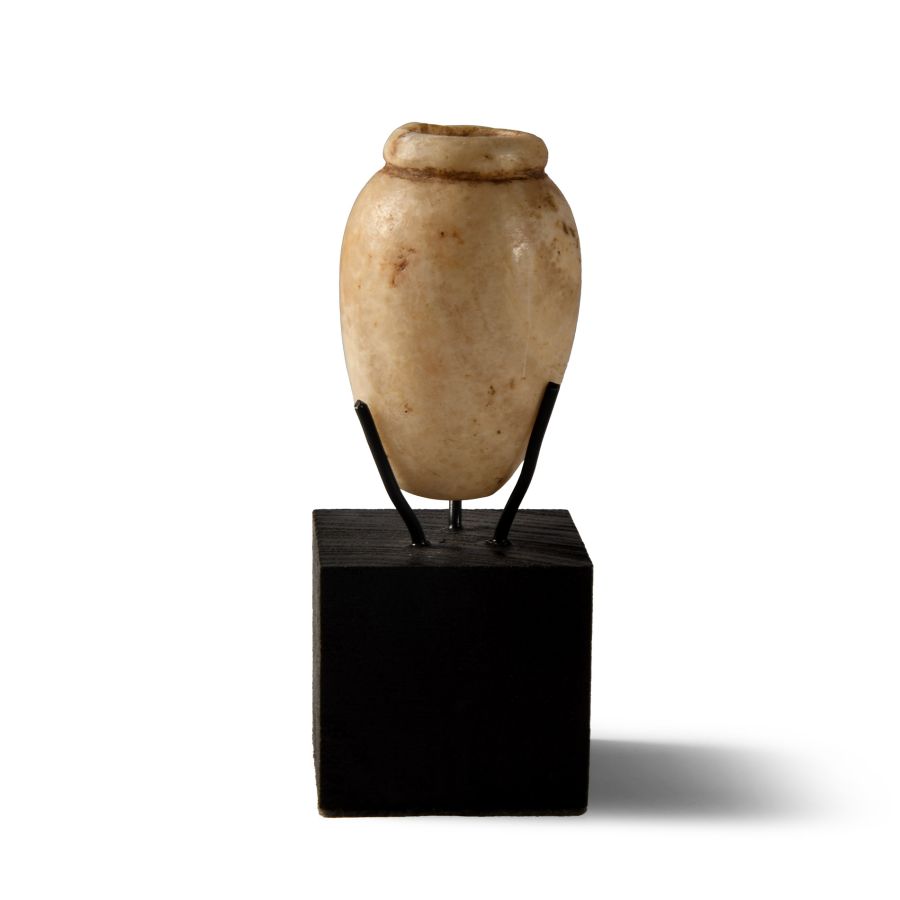
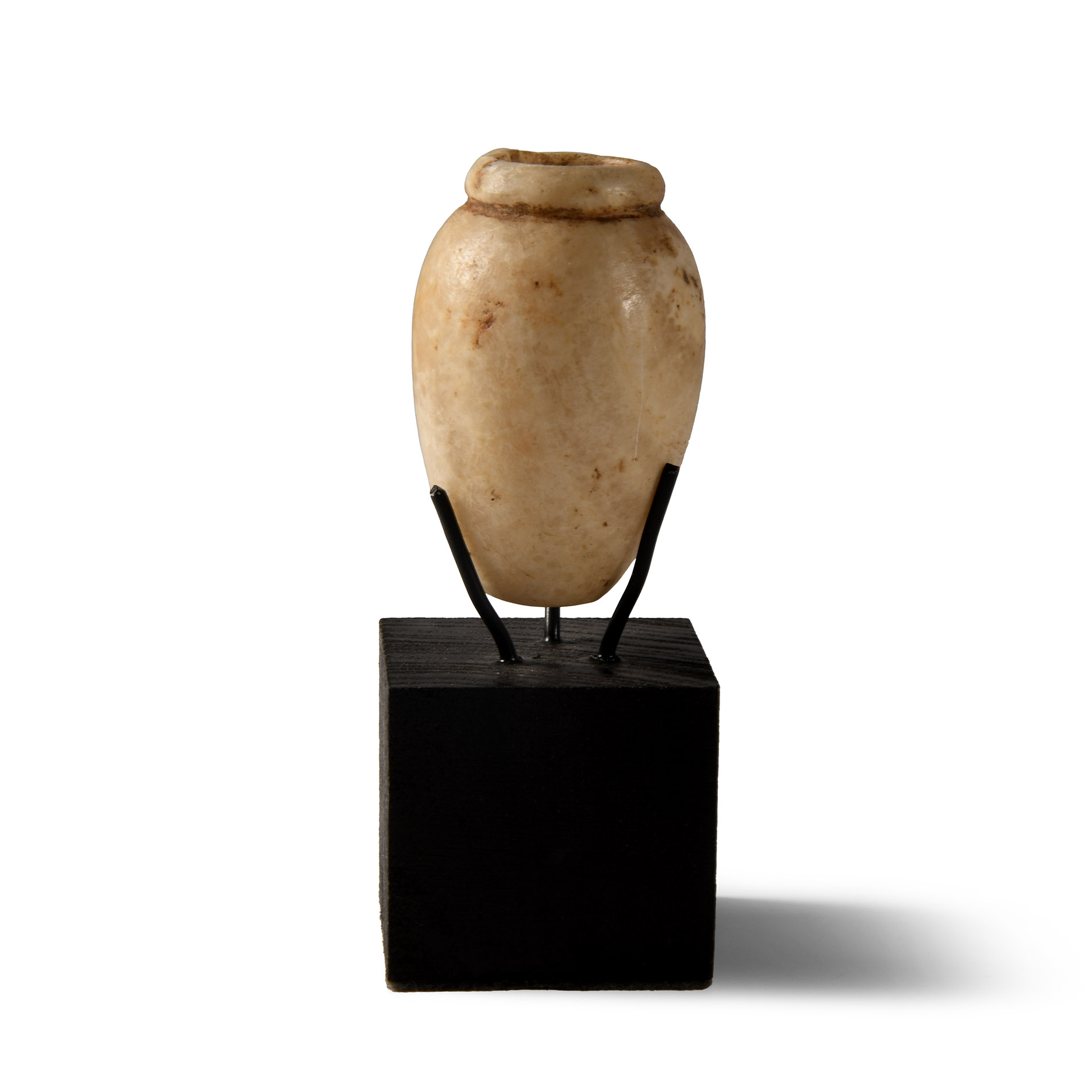
Egyptian Alabaster Kohl Pot
EARLY OLD KINGDOM, CIRCA 2687-2513 B.C.
2 1/4 in. (4 1/2 in.) (152 grams, 64 mm (212 grams total, 11.5 cm including stand)).
With a piriform body and narrow base, thickened rim; accompanied by a custom-made display stand.
ProvenanceFrom an early 20th century UK collection, 1920-1940.
LiteratureCf. Aston, B.G., Ancient Egyptian Stone Vessels: Materials and Forms, SAGA 5, Heidelberg, 1994, p.84, fig.13 no.83, p.122, for the type.
CONDITIONTimeLine Auctions follows a vetting process to ensure the authenticity and legality of all items, reinforcing our commitment to integrity and responsible trading. Each antiquity, antique, and coin lot undergoes thorough examination by a vetting committee of at least ten external specialists, professional trade association members, scientists, and archaeologists: Our Vetting Process
AUCTIONS:
TimeLine is a leading auction house specialising in antiquities, ancient art, collectables, natural history, coins, medals, and books. Our auctions offer museums, collectors, historians, and enthusiasts the opportunity to acquire unique and historically significant pieces.
-
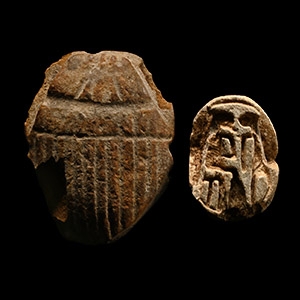
Egyptian Hardstone Scarab Group
New Kingdom, 1550-1069 B.CSold for (Inc. bp): £104
Comprising: one agate with ribbed carapace, leg detailing to underside; one steatite with two figures to the underside; with old dealer's notes. 3.77 grams total, 15-23 mm
Ex Chapman collection, UK, 1990s. Accompanied by two previous handwritten catalogue information slips. -
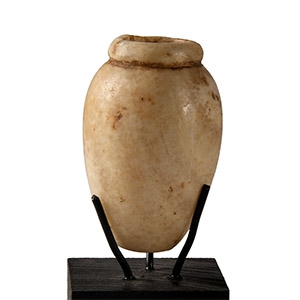
Egyptian Alabaster Kohl Pot
Early Old Kingdom, circa 2687-2513 B.C.Sold for (Inc. bp): £468
With a piriform body and narrow base, thickened rim; accompanied by a custom-made display stand. 152 grams, 64 mm (212 grams total, 11.5 cm including stand)
From an early 20th century UK collection, 1920-1940. -
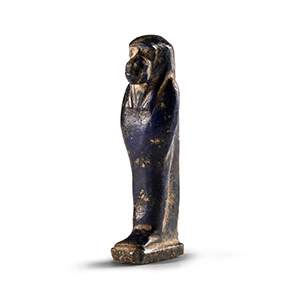
Egyptian Lapis Lazuli Son of Horus Amulet
Late Period, 664-332 B.C.Estimate: £800 - 1,000 (‡+bp*)
Opening Bid: £400
Carved amulet of the baboon-headed mummiform figure of Hapy shown standing with dorsal pillar, pierced for suspension. 2.52 grams, 28 mm
Private collection of Mr S.A., Switzerland, 1990s, thence by descent.
The Four Sons of Horus were deities responsible for protecting the internal organs of the deceased. The baboon-headed Hapy protected the lungs.
