
Loading, please wait...
LOT 0388
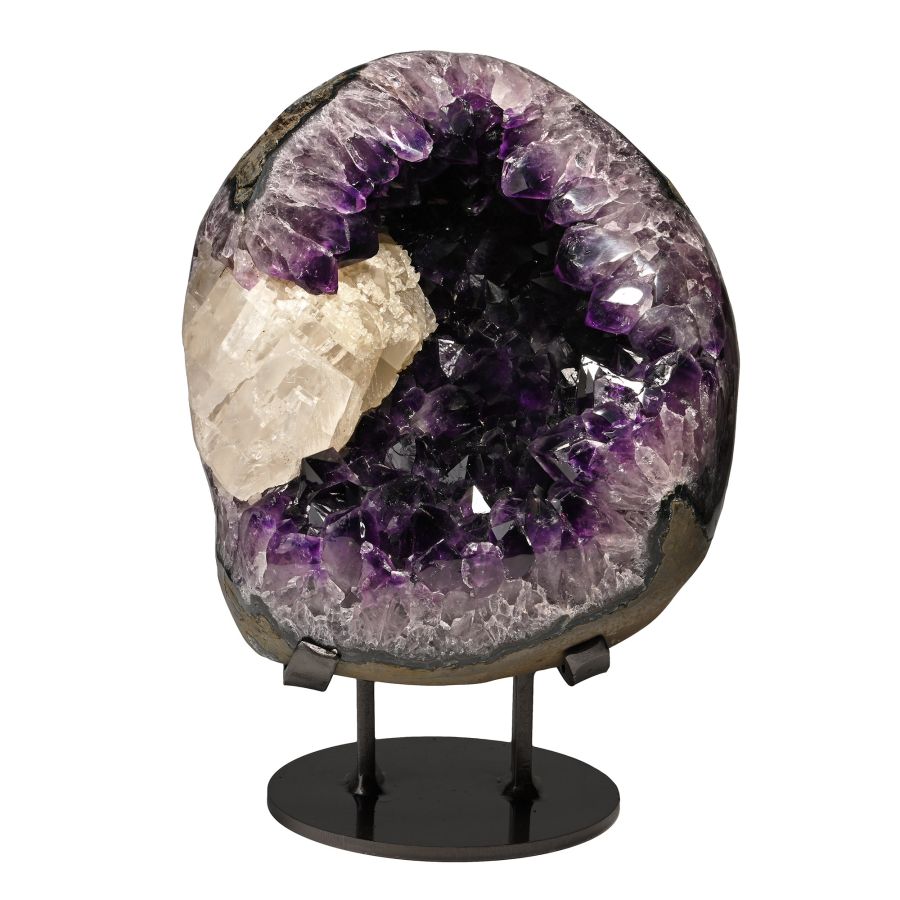
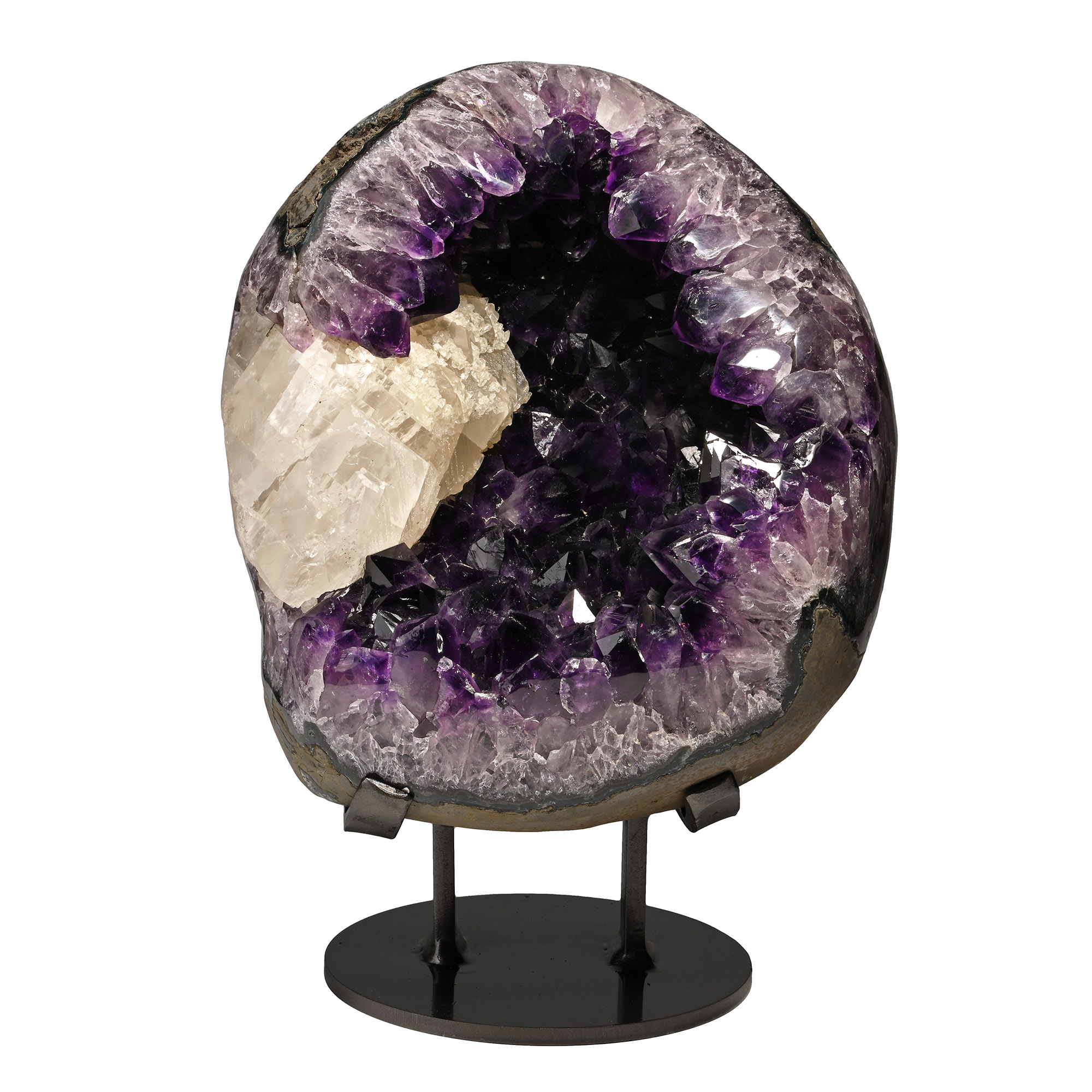
Egg-Shaped Amethyst Crystal Geode Display with Calcite
13 1/2 in. (17.1 kg total, 34.5 cm including stand).
Large, polished section of geode showing prismatic dark purple amethyst crystals on the inner surface with a large mass of calcite to one side, the calcite with clusters of small quartz crystals; mounted on a custom-made display stand.
ProvenanceFrom Artigas, Uruguay.
Property of a London lady.
TimeLine Auctions follows a vetting process to ensure the authenticity and legality of all items, reinforcing our commitment to integrity and responsible trading. Each antiquity, antique, and coin lot undergoes thorough examination by a vetting committee of at least ten external specialists, professional trade association members, scientists, and archaeologists: Our Vetting Process
AUCTIONS:
TimeLine is a leading auction house specialising in antiquities, ancient art, collectables, natural history, coins, medals, and books. Our auctions offer museums, collectors, historians, and enthusiasts the opportunity to acquire unique and historically significant pieces.
LOT 0388
Egg-Shaped Amethyst Crystal Geode Display with Calcite
Estimate £2,000 - 3,000€2,320 - 3,480 (for guidance only)$2,700 - 4,050 (for guidance only)
-
Woolly Mammoth Bone Bead Necklace String
Pleistocene Epoch, 2.6 million-11,700 years B.P.Sold for (Inc. bp): £104
Restrung using recently polished Mammuthus primigenius bone beads. 134 grams, 58 cm
London, UK, collection, 2000s.
The mammoth lineage branched from the Asian elephant around 6 million years ago, and later on the Woolly Mammoth, Mammuthus primigenius, evolved in eastern Siberia. Woolly mammoths, being slightly smaller than living African elephants, were foragers and ate grass, as well as small, nutritious flowering plants that flourished in the environment where they lived. They may also have used their curved tusks to dig through snow and eat plants that other foragers were unable to reach. -
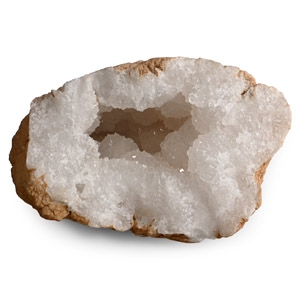
Large Quartz Crystal Geode Cave
Sold for (Inc. bp): £91
An end section of a geode with the inner cavity lined with quartz crystals. 4.7 kg, 21 cm
From the private collection of author and historian Dr DeWitt Bailey, one of the global authorities on the confederate army in the US civil war; thence by descent to his grandson. -
![Boxed Mixed Crystal Display Piece Collection [6]](https://timelineauctions.com/upload/images/items/small/228254-s.jpg)
Boxed Mixed Crystal Display Piece Collection [6]
Sold for (Inc. bp): £33
Comprising: fluorite, quartz on pyrite, almandine garnet and vesuvianite. 393 grams total, 27-77 mm
Ex Mineral Imports, London, UK. Gregory, Bottley & Lloyd (Gregory's), Harwich, UK.
