
Loading, please wait...
LOT 2653
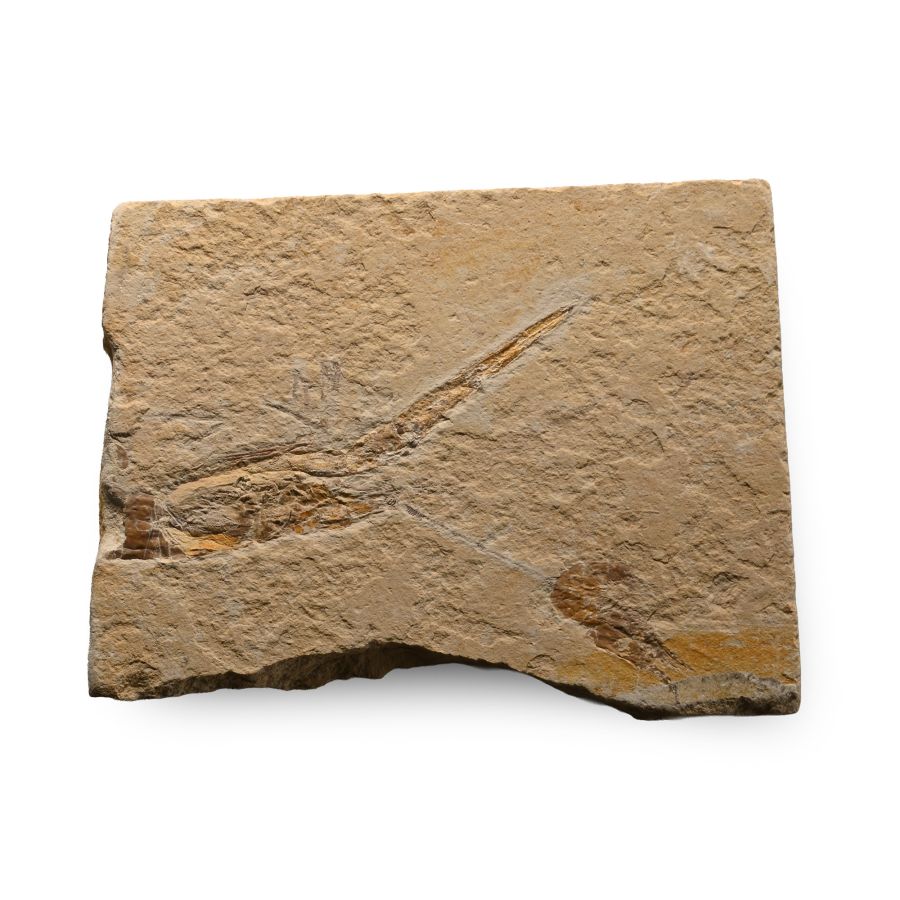
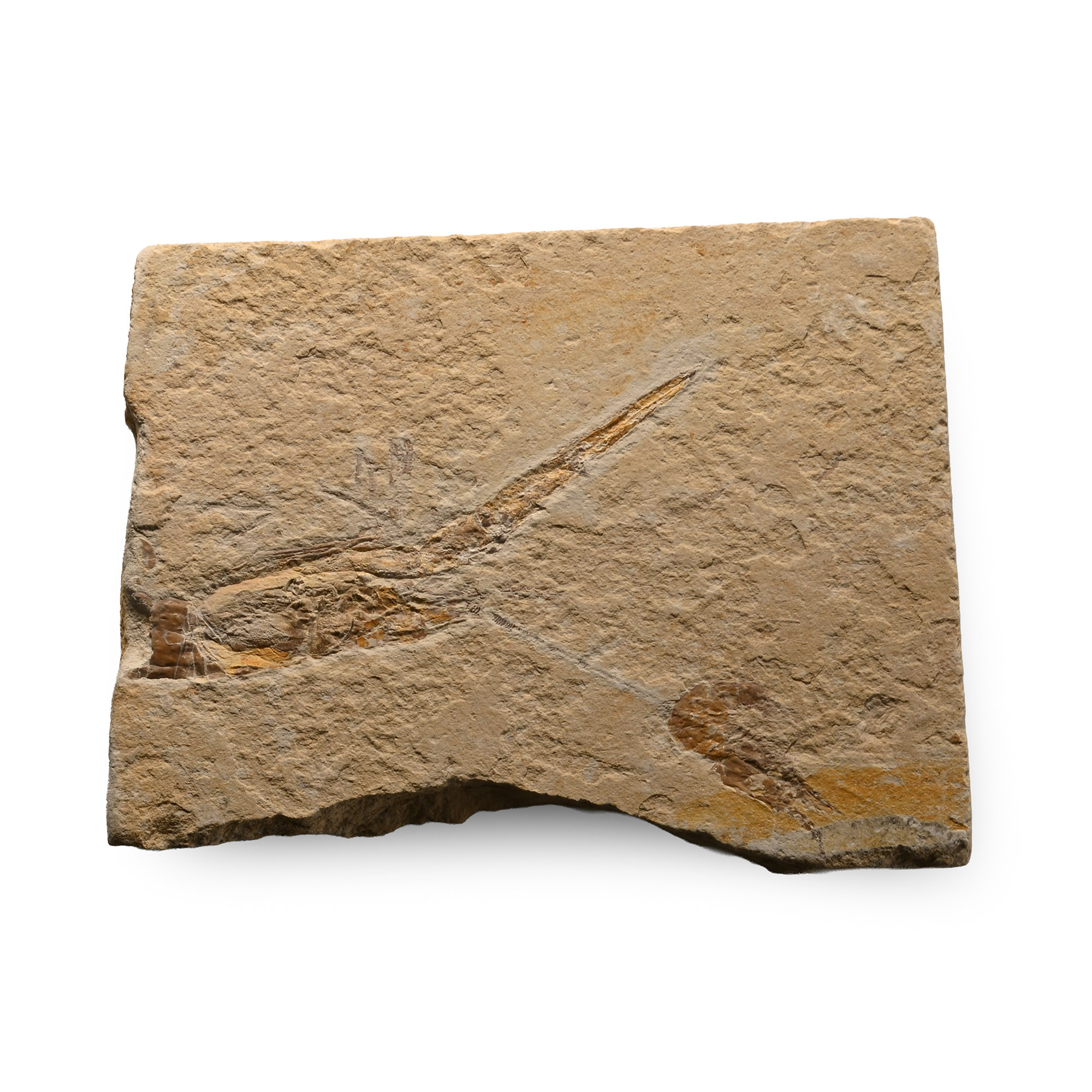
Double Fossil Shrimp Plate
CRETACEOUS PERIOD, CIRCA 110 MILLION YEARS B.P.
4 3/8 in. (144 grams, 11 cm).
Sandstone matrix with two Carpopenaeus sp. specimens, the larger one partial. [No Reserve]
ProvenanceFrom a Cambridgeshire, UK, collection.
CONDITIONTimeLine Auctions follows a vetting process to ensure the authenticity and legality of all items, reinforcing our commitment to integrity and responsible trading. Each antiquity, antique, and coin lot undergoes thorough examination by a vetting committee of at least ten external specialists, professional trade association members, scientists, and archaeologists: Our Vetting Process
AUCTIONS:
TimeLine is a leading auction house specialising in antiquities, ancient art, collectables, natural history, coins, medals, and books. Our auctions offer museums, collectors, historians, and enthusiasts the opportunity to acquire unique and historically significant pieces.
-
.jpg)
Amethyst Crystal Mineral Specimen
Sold for (Inc. bp): £20
A triangular section with deep-coloured prismatic crystals. 543 grams, 11.2 cm
From Brazil. From a Lincolnshire, UK, collection. -
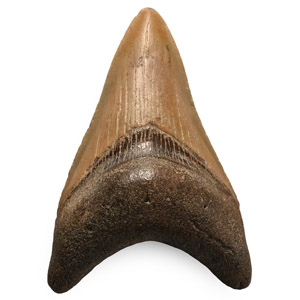
Fossil Megalodon Shark Tooth
Pliocene Epoch, circa 5.6 million years B.P.Sold for (Inc. bp): £247
A Carcharocles megalodon shark tooth, with serrations and good polished tooth enamel. 63 grams, 83 mm
Found Wrightsville Beach, North Carolina. Ex The Fossil Exchange. From a private Tyneside collection, formed since the early 2000s. Accompanied by a Fossil Exchange information card.
Carcharodon megalodon is regarded as one of the largest and most powerful marine predators in vertebrate history and likely had a profound impact on structuring of the marine communities. Fossil remains indicate that this giant shark reached a length of more than 16 metres (52 ft) and also affirm that it had a cosmopolitan distribution. Scientists suggest that in life it looked like a stockier version of the great white shark, Carcharodon carcharias. -
.jpg)
Calcite Stalagmite Fragment
Sold for (Inc. bp): £7
A large section of white stalagmite displaying natural rippling. 7.28 kg, 47 cm
Ex West Country, UK, collection, 1990s.
