
Loading, please wait...


LOT 2006
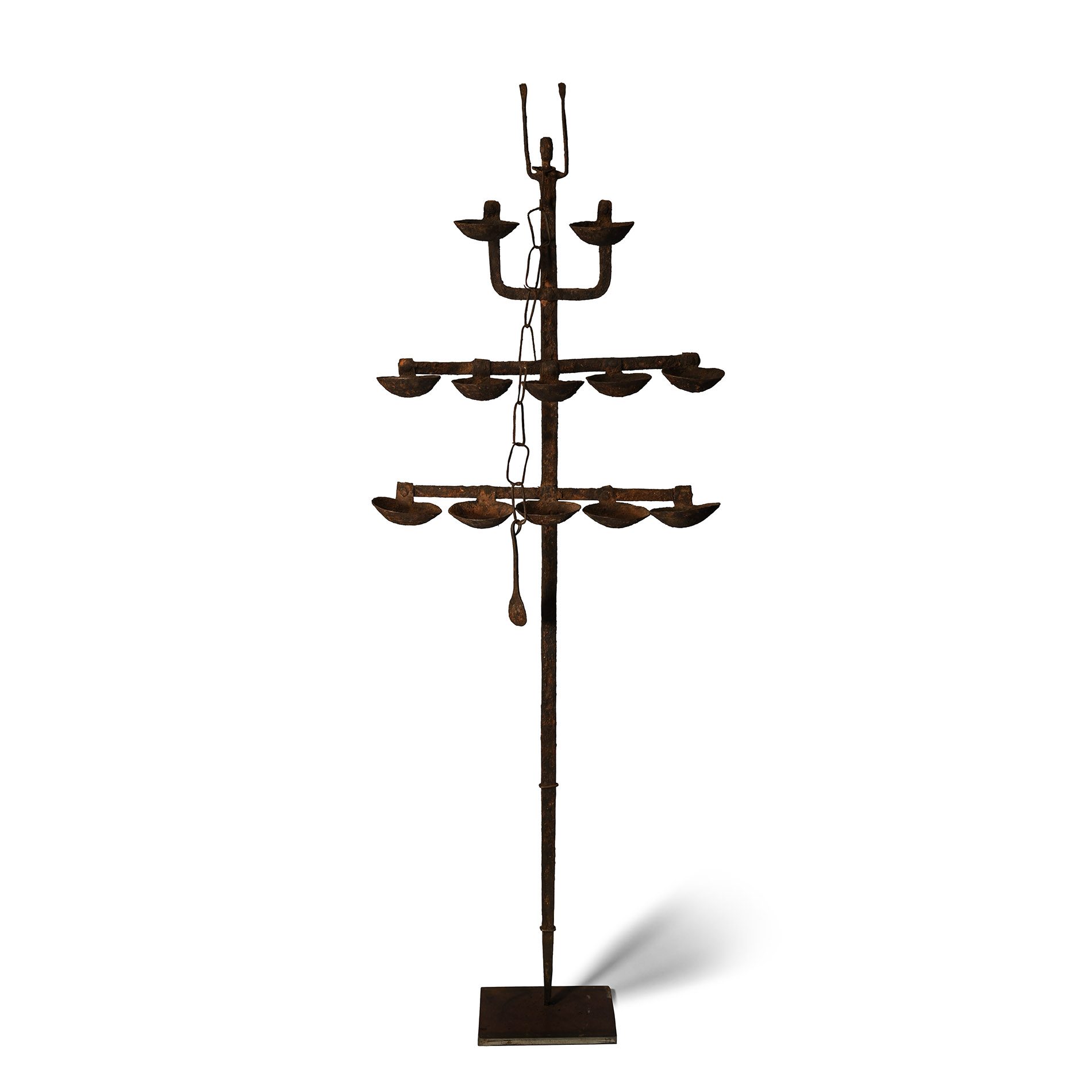
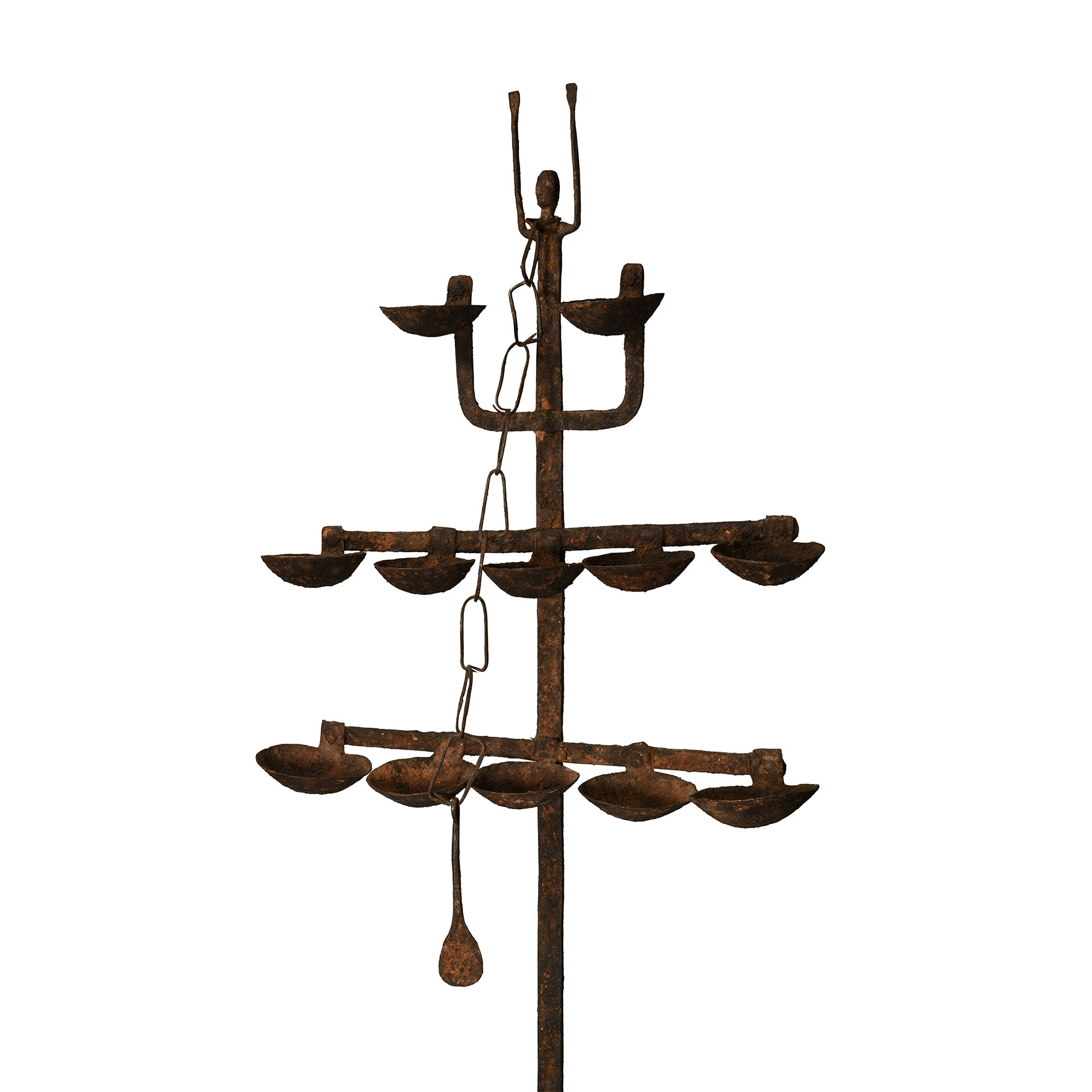
Dogon Iron Multiple Oil Lamp Stand
CIRCA 19TH CENTURY A.D.
52 in. (6.25 kg total, 132 cm including stand).
Iron flat-section shaft with three tiered cross-bars, the two lowest each with five iron lamp-bowls to the forward face; above, a U-shaped bar with a lamp bowl at each upper end; top of the shaft developing to an anthropomorphic torso with ellipsoid head and two narrow arms raised vertically; chain around the neck with hand-forged extinguishing spoon; mounted on a square base; Dogon, Mali, workmanship.
ProvenanceFrom the private collection of Dr Hans-Joachim Koloss, Berlin, Germany, 1975-2002.
Gorny & Mosch, Munich, Germany, auction 279, no.410.
Accompanied by a copy of the Gorny & Mosch invoice and illustrated catalogue listing.
Accompanied by a copy of the German cultural export licence.
The figure is probably a Nommo, a primordial ancestral spirit in Dogon cosmogony. A Nommo is usually considered to be amphibious, hermaphroditic and fish-like. They are typically depicted in Dogon art with a humanoid upper torso, and a fish-like lower torso and tail.
CONDITIONTimeLine Auctions follows a vetting process to ensure the authenticity and legality of all items, reinforcing our commitment to integrity and responsible trading. Each antiquity, antique, and coin lot undergoes thorough examination by a vetting committee of at least ten external specialists, professional trade association members, scientists, and archaeologists: Our Vetting Process
AUCTIONS:
TimeLine is a leading auction house specialising in antiquities, ancient art, collectables, natural history, coins, medals, and books. Our auctions offer museums, collectors, historians, and enthusiasts the opportunity to acquire unique and historically significant pieces.
LOT 2006
Dogon Iron Multiple Oil Lamp Stand
Estimate £400 - 600€460 - 700 (for guidance only)$540 - 810 (for guidance only)
-
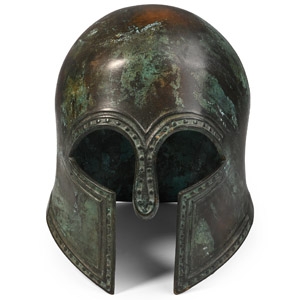
Reproduction Bronze Corinthian Helmet
20th century A.D.Sold for (Inc. bp): £2,600
With deep nasal and cheek-guards, pelletted bands to the rim; casting seam. 4.69 kg, 21.5 cm
From a private Tyneside collection, formed since the early 2000s. -
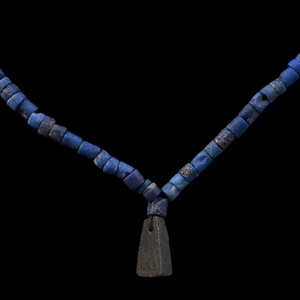
Lapis Lazuli Bead Necklace String
20th century A.D.Sold for (Inc. bp): £46
Restrung group of tubular beads with tabular centrepiece. 10.8 grams, 31 cm
London, UK, collection, 2000s. -
![Civil War and Later Lead Musket and Pistol Ball Collection [100]](https://timelineauctions.com/upload/images/items/small/244206-s.jpg)
Civil War and Later Lead Musket and Pistol Ball Collection [100]
Circa 17th-19th century A.D.Sold for (Inc. bp): £182
Mixed group of musket and pistol shot, some with casting nipple still attached, some with impact damage. 1.55 kg total, 8-18 mm
Found Suffolk, UK.
