
Loading, please wait...
LOT 1873
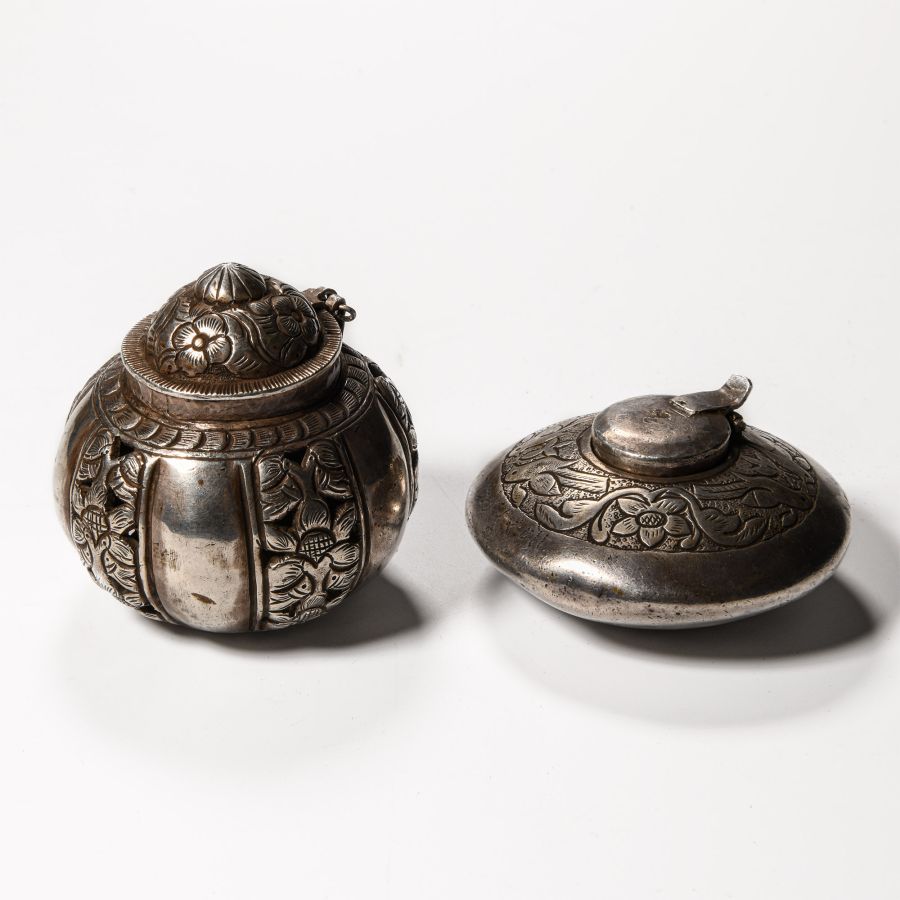
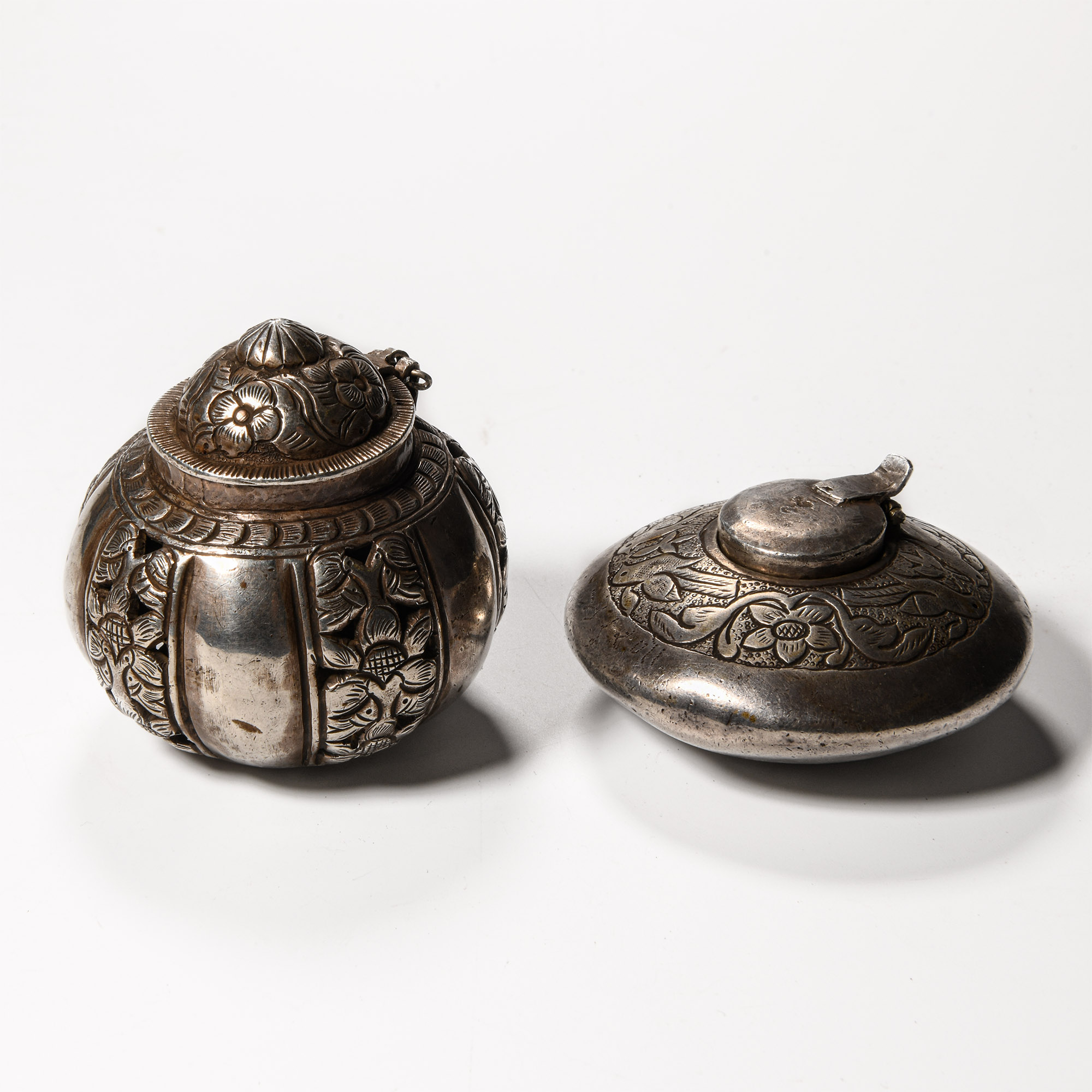
Decorated Box Group
EARLY 20TH CENTURY A.D.
2 3/8 - 2 1/2 in. (185 grams total, 60-63 mm).
Group of two silver-coloured metal containers, one biconvex with repousssé frieze of birds and foliage, one squat with vertical openwork bands and hinged lid. [2, No Reserve]
ProvenanceProperty of a South West London gentleman.
CONDITIONTimeLine Auctions follows a vetting process to ensure the authenticity and legality of all items, reinforcing our commitment to integrity and responsible trading. Each antiquity, antique, and coin lot undergoes thorough examination by a vetting committee of at least ten external specialists, professional trade association members, scientists, and archaeologists: Our Vetting Process
AUCTIONS:
TimeLine is a leading auction house specialising in antiquities, ancient art, collectables, natural history, coins, medals, and books. Our auctions offer museums, collectors, historians, and enthusiasts the opportunity to acquire unique and historically significant pieces.
-
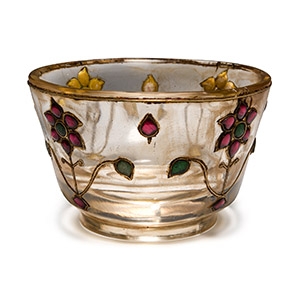
Glass Flower Bowl with Rubies
20th century A.D.Sold for (Inc. bp): £338
Squat in profile with basal ring and rounded rim, applied wire band at the mouth and floral motifs with inset rubies and green inlays. 318 grams, 10 cm wide
Property of a South West London gentleman. -
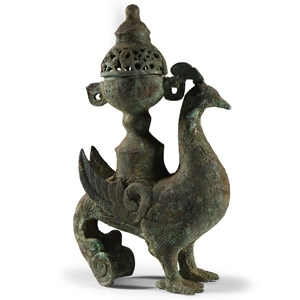
Archaic Chinese Style Bronze Vessel
20th century A.D.Sold for (Inc. bp): £312
Hollow-formed censer formed as a fenghuang standing with chalice on its back. 2.4 kg, 34 cm
Ex West Country collection, UK, 1970-1990s. -
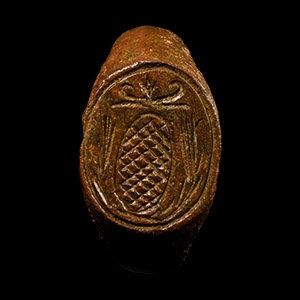
Tudor Period Bronze Ring with Heraldic Motif
16th-17th century A.D.Sold for (Inc. bp): £72
With ellipsoid bezel, pseudo-heraldic design of a hatched panel with wreath and scrolled tendrils. 3.73 grams, 21.22 mm overall, 17.80 mm internal diameter (approximate size British P, USA 7 1/2, Europe 16.23, Japan 15)
Private collection formed since the 1940s. UK art market. Property of an Essex gentleman.
