
Loading, please wait...
LOT 0044
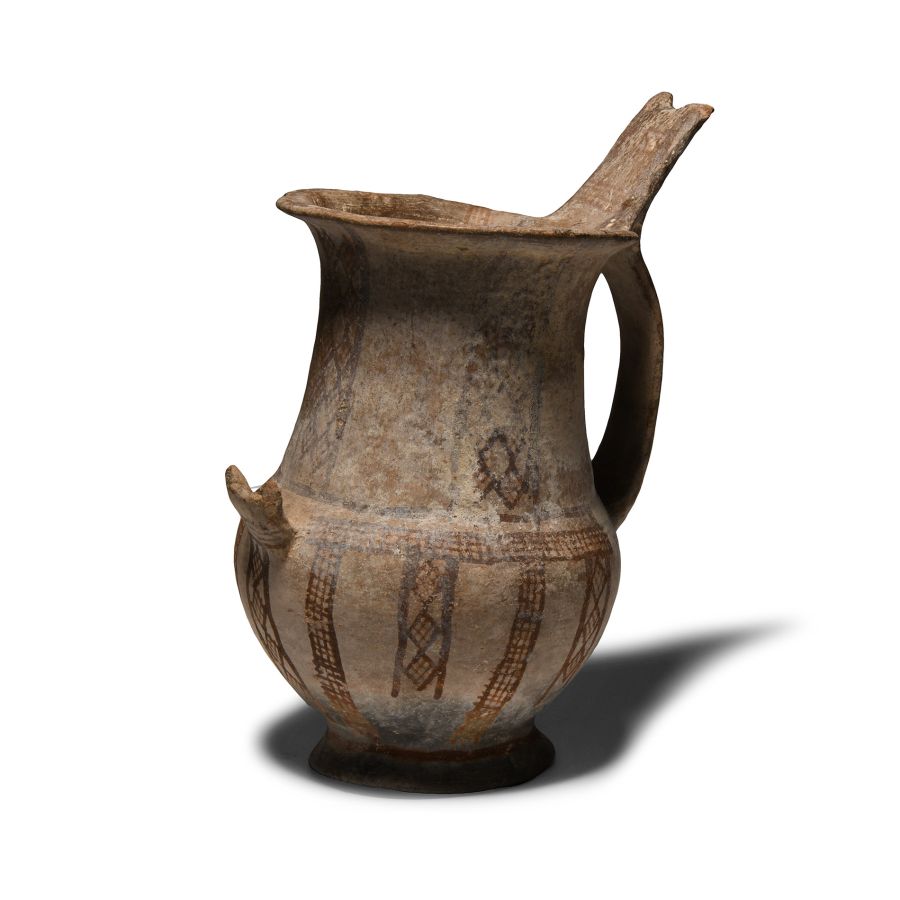
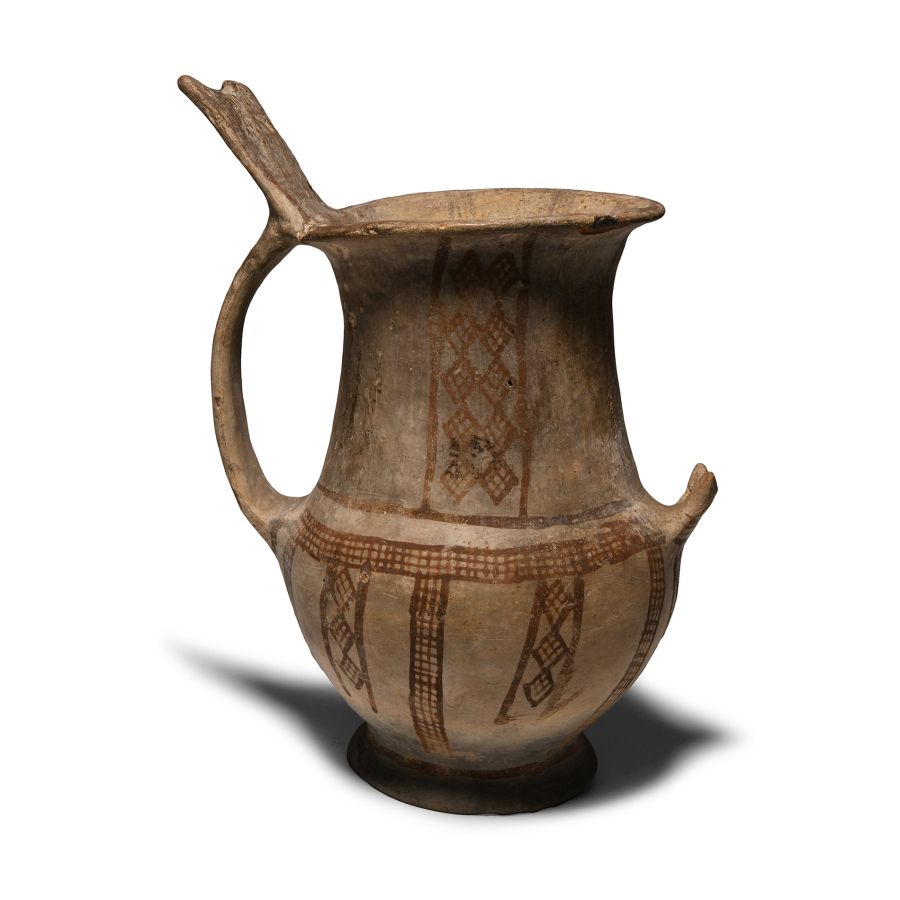
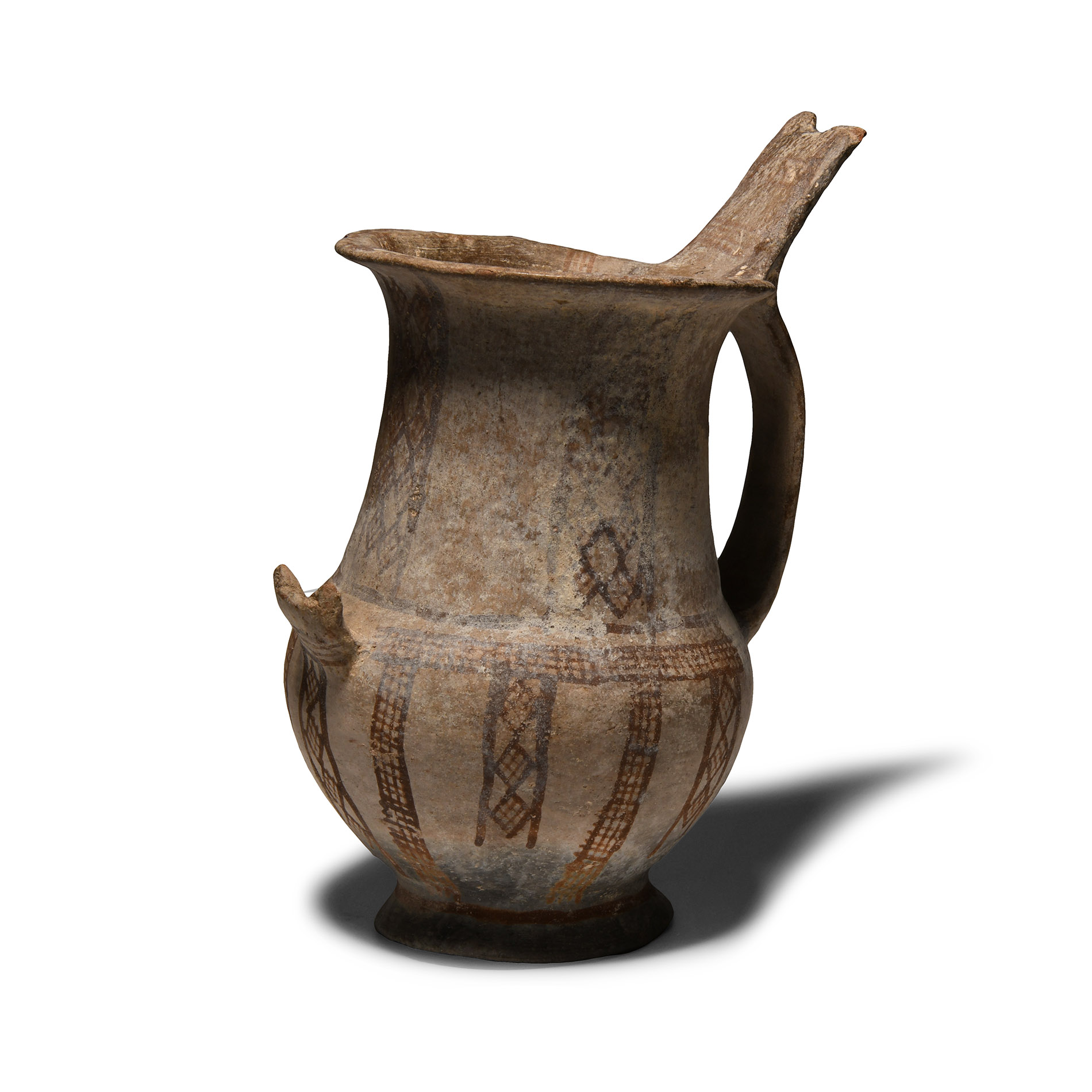
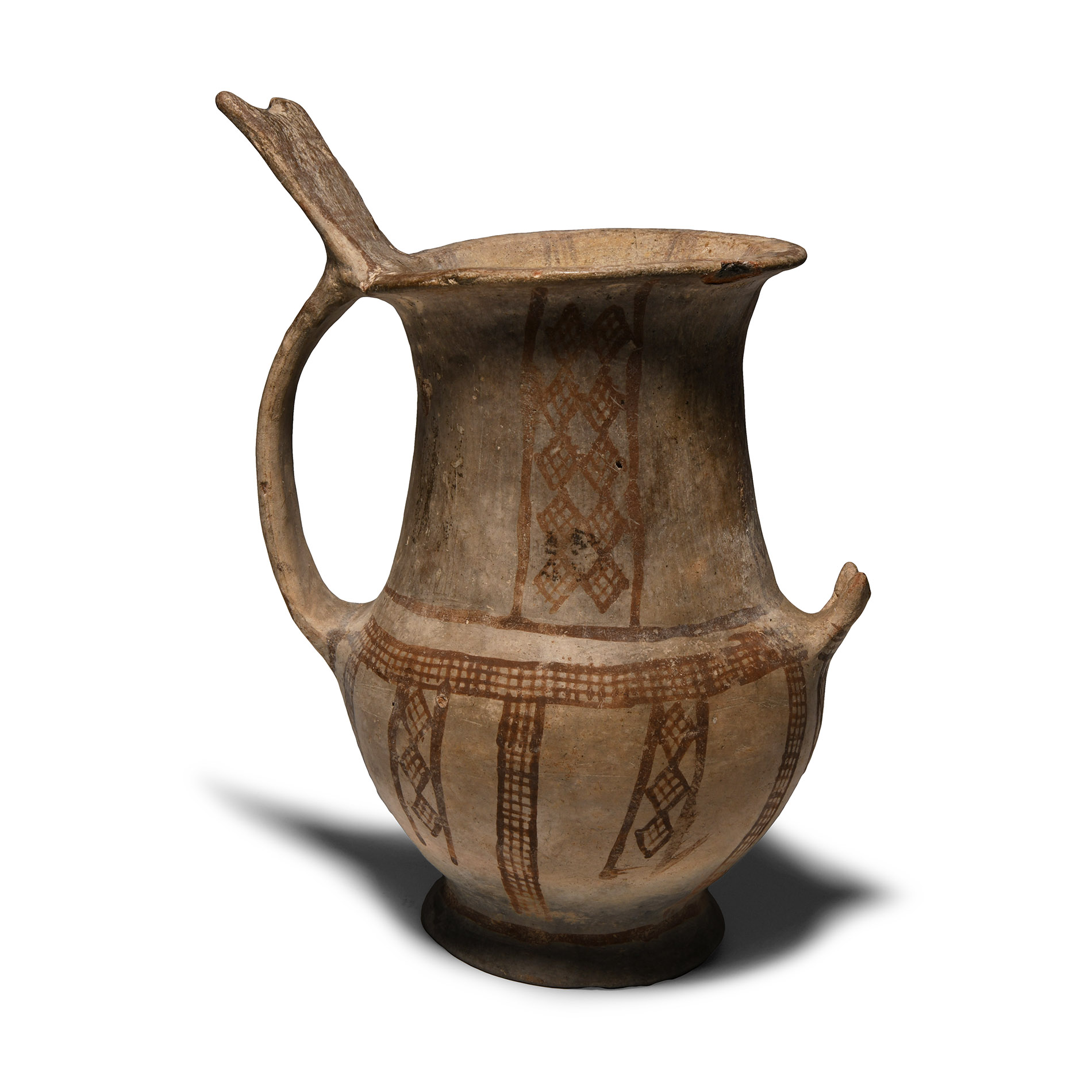
Cypriot White-Slip Ware Tankard
CIRCA 1600-1450 B.C.
8 in. (550 grams, 20.5 cm).
Globular body above a flared foot, tapering neck and flared rim, two lateral strap handles (one absent) and broad thumb-rest with scooped slot to upper edge; applied bands of painted hatching in strap and lozenges panels. [No Reserve]
Provenancewith Sotheby Parke Bernet, New York, 26 May 1982, no.411.
with Christies, New York, 11 June 2003, no.95 (part).
From an important Cambridgeshire estate; thence by descent.
Accompanied by copies of the relevant Christies catalogue pages and the original Christie's lot tag.
Cf. similar item in the Metropolitan Museum of Art, New York, under accession no.74.51.1030.
CONDITIONTimeLine Auctions follows a vetting process to ensure the authenticity and legality of all items, reinforcing our commitment to integrity and responsible trading. Each antiquity, antique, and coin lot undergoes thorough examination by a vetting committee of at least ten external specialists, professional trade association members, scientists, and archaeologists: Our Vetting Process
AUCTIONS:
TimeLine is a leading auction house specialising in antiquities, ancient art, collectables, natural history, coins, medals, and books. Our auctions offer museums, collectors, historians, and enthusiasts the opportunity to acquire unique and historically significant pieces.
-
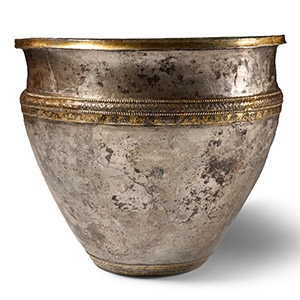
Hellenistic Silver Gilt Piriform Vase
2nd-1st century B.C.Estimate: £7,000 - 9,000 (+bp*)
Opening Bid: £3,889
Broad vase or jar with everted rim, carinated shoulder, gilt bands to the foot, shoulder and rim; some restoration. 472 grams, 13.1 cm
Ex London, UK, gallery, 1971. This lot has been checked against the Interpol Database of stolen works of art and is accompanied by search certificate no.12124-213139. -
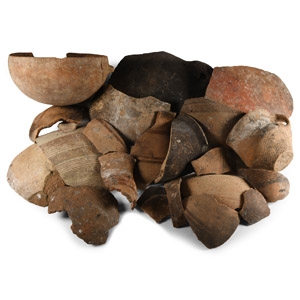
Greek and Other Pottery Sherd Group
Circa 1st millennium B.C.Sold for (Inc. bp): £59
Including chalice, amphora and other fragments. 1.5 kg total, 4-20.5 cm
From a collection acquired on the UK art market from various auction houses and collections mostly before 2000. From an important Cambridgeshire estate; thence by descent. -
.jpg)
Cypriot Red Polished Ware Jug Group
Early-Middle Bronze Age, circa 2700-1900 B.C.Sold for (Inc. bp): £572
Group of three jugs each with spherical body and trumpet-shaped mouth, loop handle to one side. 750 grams total, 11.5-15.3 cm
From a collection acquired on the UK art market from various auction houses and collections mostly before 2000. From an important Cambridgeshire estate; thence by descent.
