
Loading, please wait...
LOT 0555
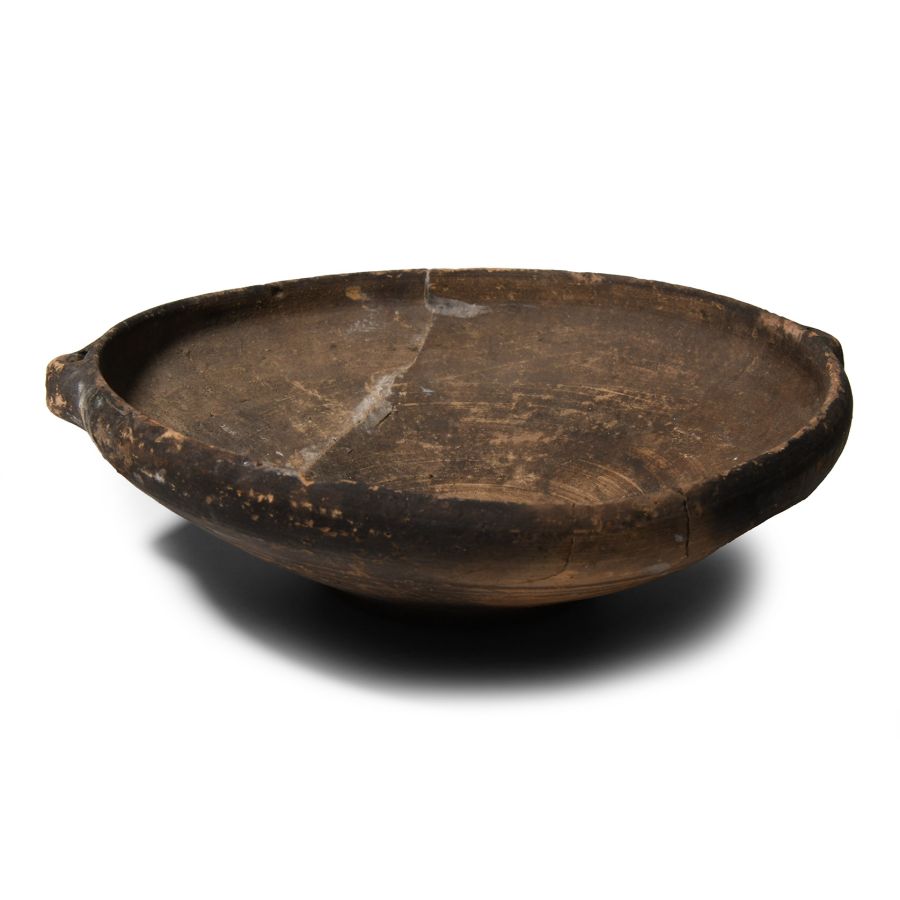
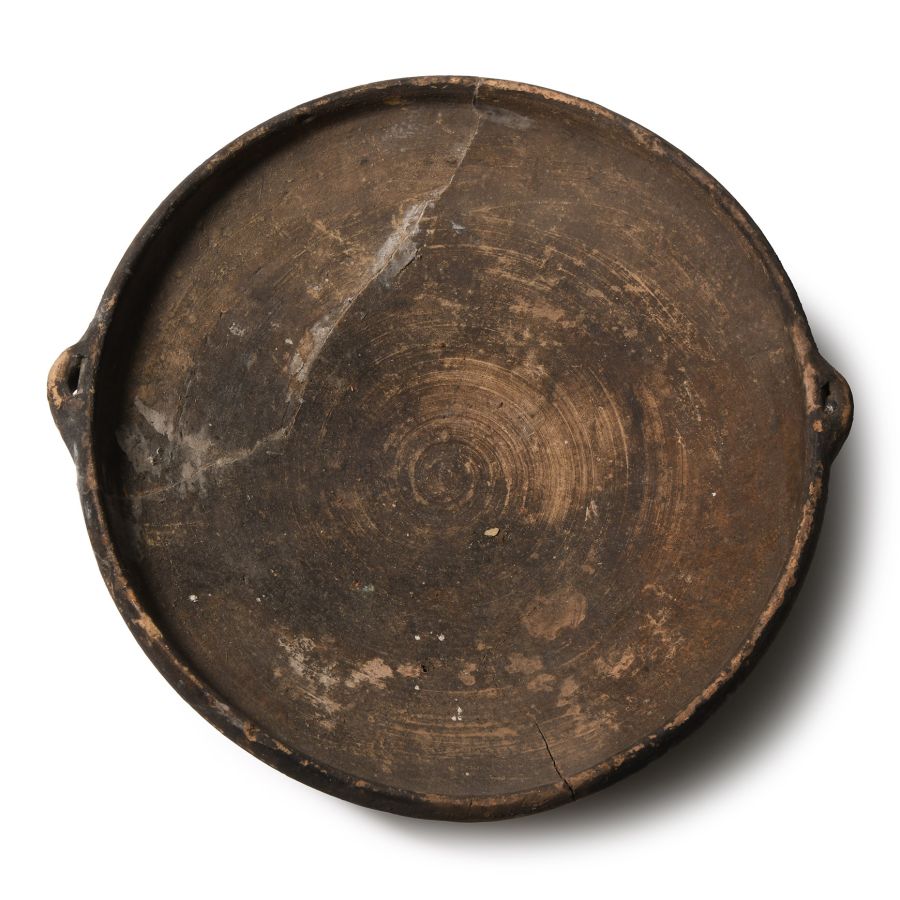
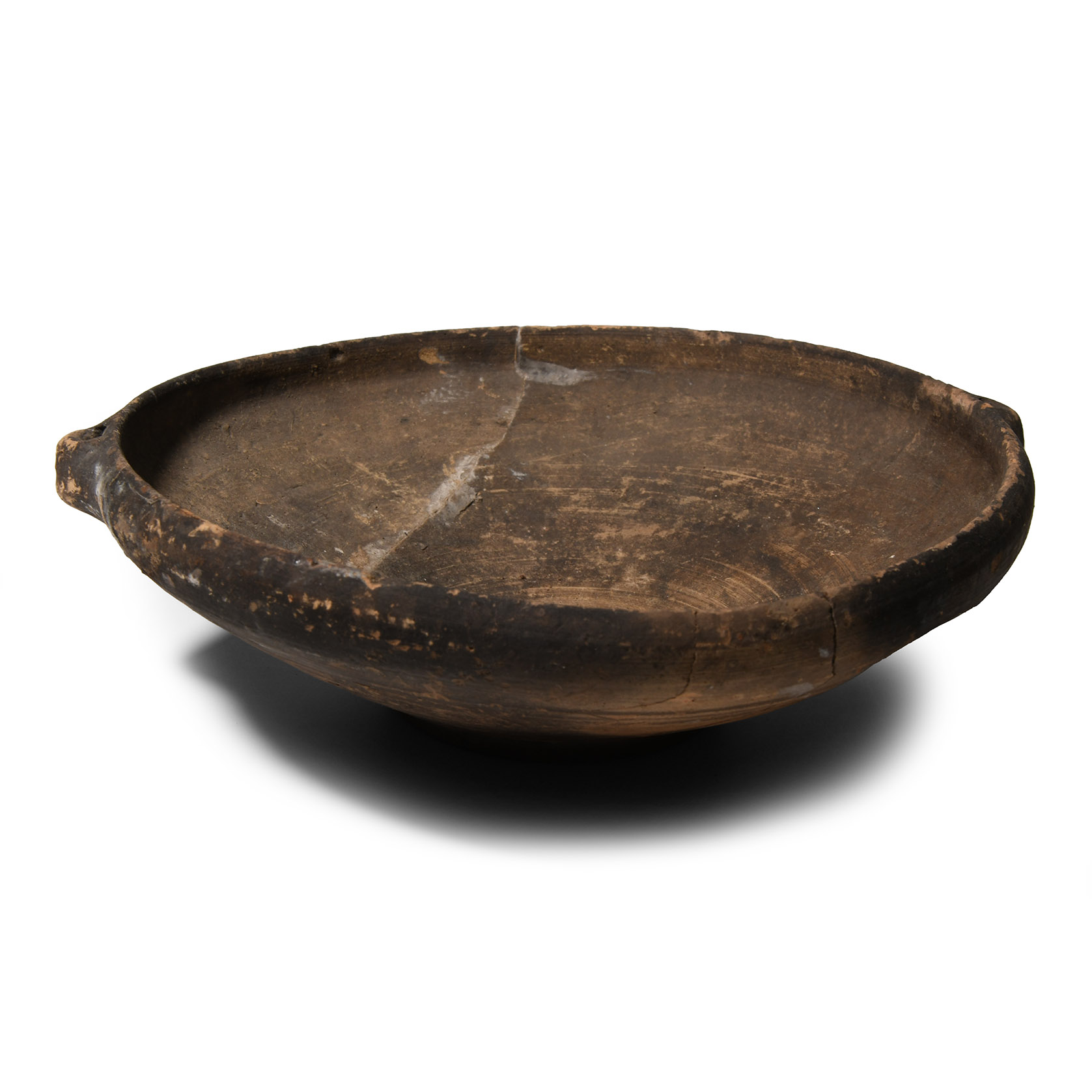
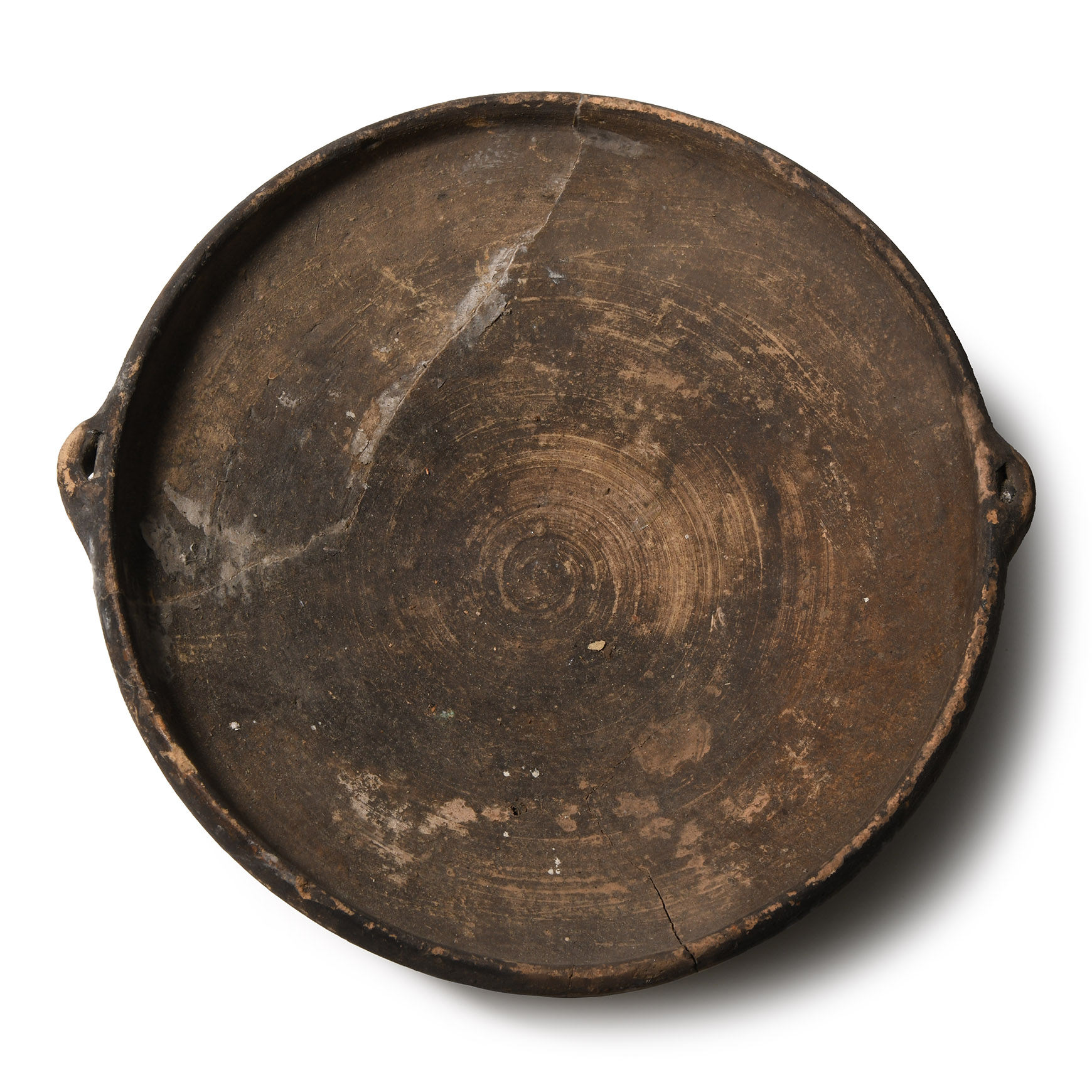
Cypriot Terracotta Bowl
CYPRO-GEOMETRIC, CIRCA 1050-750 B.C.
8 1/2 in. (587 grams, 21.5 cm).
Broad and shallow with low foot, chamfered rim with two small loop handles. [No Reserve]
ProvenanceFrom a collection acquired on the UK art market from various auction houses and collections mostly before 2000.
From an important Cambridgeshire estate; thence by descent.
TimeLine Auctions follows a vetting process to ensure the authenticity and legality of all items, reinforcing our commitment to integrity and responsible trading. Each antiquity, antique, and coin lot undergoes thorough examination by a vetting committee of at least ten external specialists, professional trade association members, scientists, and archaeologists: Our Vetting Process
AUCTIONS:
TimeLine is a leading auction house specialising in antiquities, ancient art, collectables, natural history, coins, medals, and books. Our auctions offer museums, collectors, historians, and enthusiasts the opportunity to acquire unique and historically significant pieces.
-
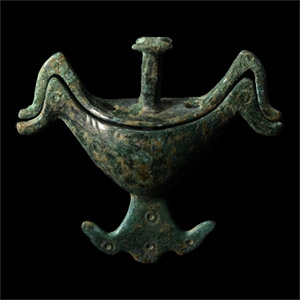
Greek Geometric Bronze Macedonian Pyxis
8th century B.C.Estimate: £800 - 1,000 (‡+bp*)
Opening Bid: £400
'Sickle-type' pyxis composed of a lentoid-section body with integral bird protomes, incised detailing and scalloped openwork finial; lid elliptical in plan with a central stem crowned by a pierced discoid flange, also adorned with stylised bird protomes; corresponding perforations in lid and body used to fasten the component parts together. 69 grams total, 75 mm
Acquired in Germany in 2001. Acquired by the present owner from the above.
Two pyxides of similar form were found at Samos, but the type is believed to have originated in Macedonia. -
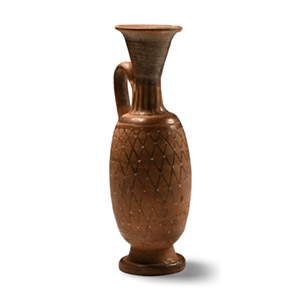
Greek Apulian Net Lekythos
Circa 300 B.C.Sold for (Inc. bp): £312
On a set-off ring foot with long cylindrical neck and funnel-shaped rim; the body with net-pattern decoration in umber, highlighted with white dots at the junctions, framed by brown bands above and below; handle, spout and the outside of the ring foot also in brown; from Apulian Greek colonies of southern Italy, surface chip to the body, usage wear. 156 grams, 14.3 cm
From a Swiss collection, since at least 1978. Ex Swiss collection, Mr. P.B. Basel-Landschaft, acquired on the Swiss art market. -
.jpg)
Cypriot Terracotta Figure Head Collection
Circa 1000 B.C.Sold for (Inc. bp): £156
Group of terracotta heads from figurines, one with moulded facial detailing, the others pinched. 476 grams total, 4.5-10.5 cm
One with antique tag: 'CYPRUS / C.1000 BC / Terracotta Fragment of / Mother-Goddess.' From a collection acquired on the UK art market from various auction houses and collections mostly before 2000. From an important Cambridgeshire estate; thence by descent.
