
Loading, please wait...
LOT 0510
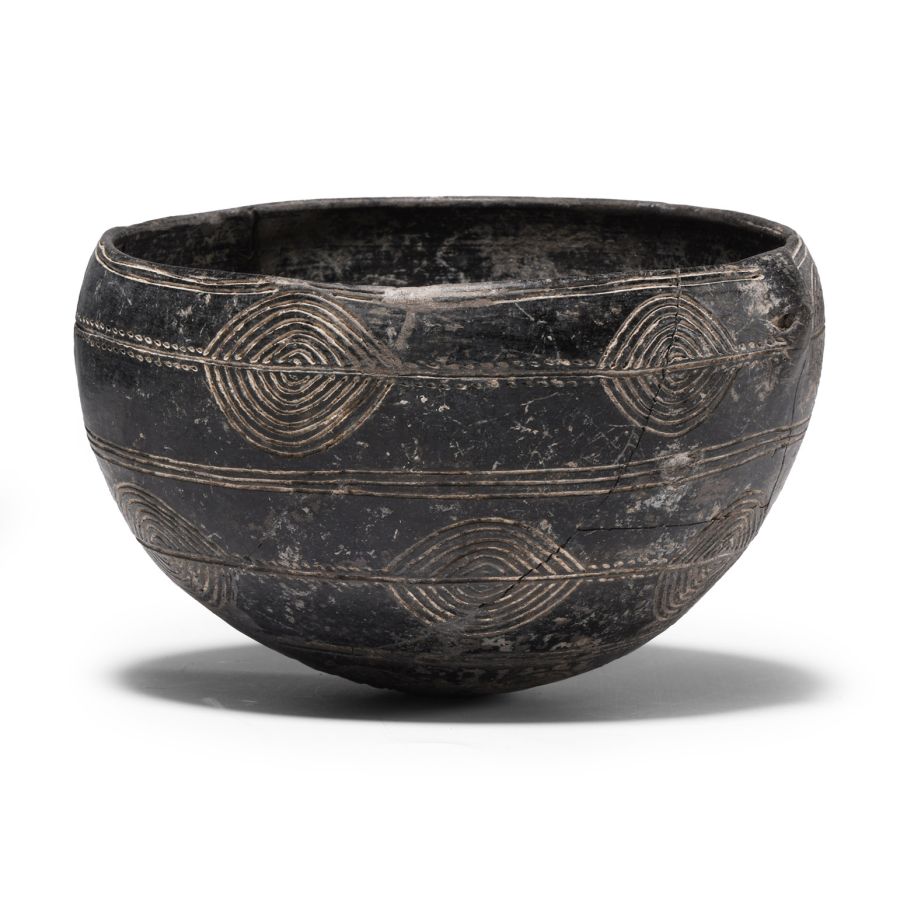
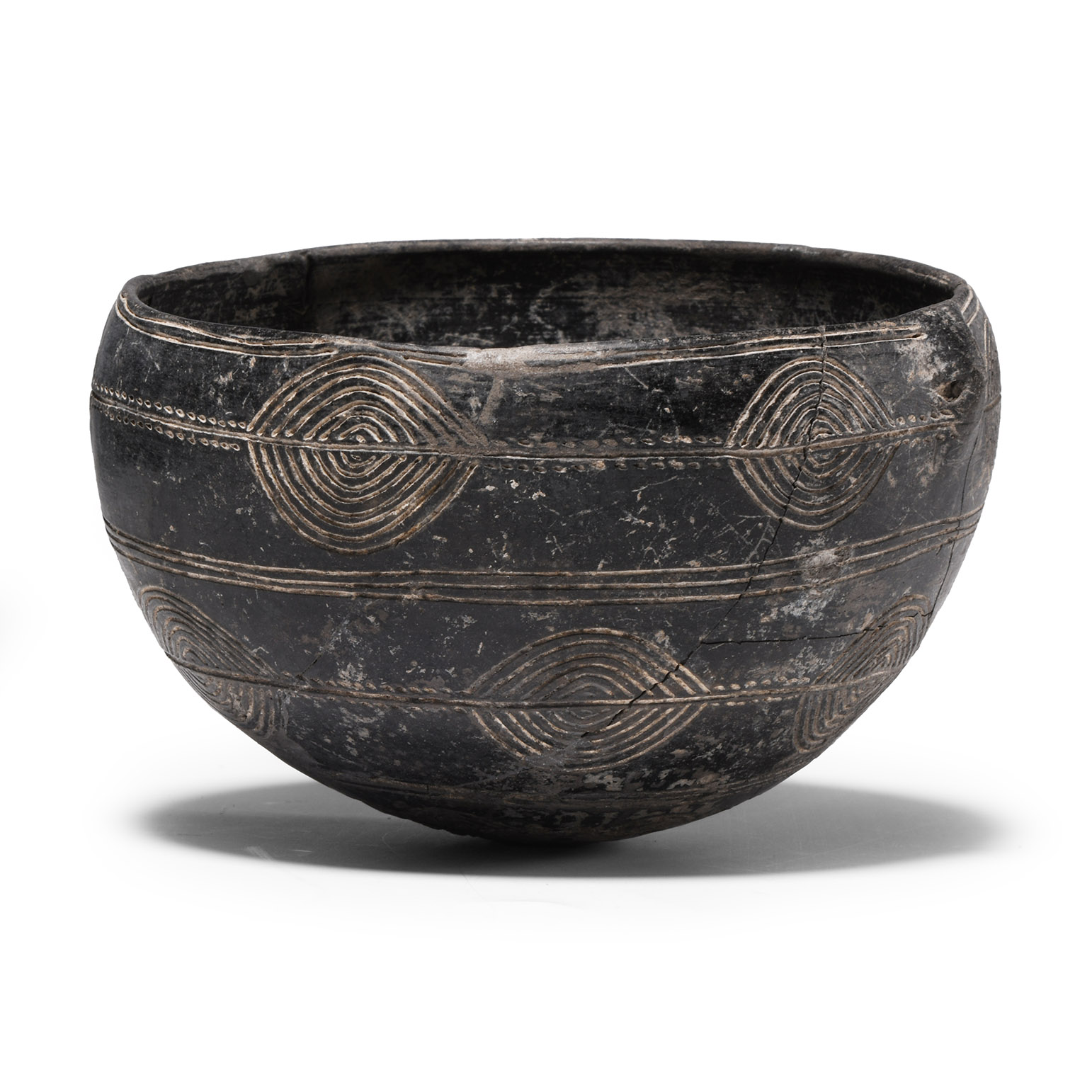
Cypriot Black Polished Ware Cup
EARLY III- MIDDLE BRONZE AGE I, 2100-1850 B.C.
4 5/8 in. (180 grams, 11.8 cm wide).
Hemispherical profile with three concentric bands to the outer face of vesica-shaped panels with median line and pointillé detailing; single pierced lug handle below the rim. [No Reserve]
ProvenanceFrom a collection acquired on the UK art market from various auction houses and collections mostly before 2000.
From an important Cambridgeshire estate; thence by descent.
Cf. Morris, D., The Art of ancient Cyprus, Oxford, 1985, fig.7, p.26, pl.19c.
CONDITIONTimeLine Auctions follows a vetting process to ensure the authenticity and legality of all items, reinforcing our commitment to integrity and responsible trading. Each antiquity, antique, and coin lot undergoes thorough examination by a vetting committee of at least ten external specialists, professional trade association members, scientists, and archaeologists: Our Vetting Process
AUCTIONS:
TimeLine is a leading auction house specialising in antiquities, ancient art, collectables, natural history, coins, medals, and books. Our auctions offer museums, collectors, historians, and enthusiasts the opportunity to acquire unique and historically significant pieces.
-
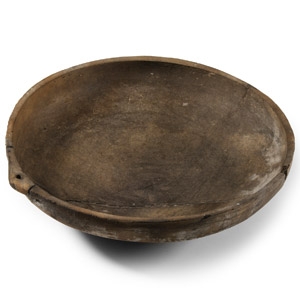
Cypriot Grey Ware Pottery Bowl
Iron Age, Cypro-Geometric, 950-850 B.C.Sold for (Inc. bp): £98
Broad shallow body with disc base, thick rim with pierced lug handle; repaired. 635 grams, 24.5 cm wide
From a collection acquired on the UK art market from various auction houses and collections mostly before 2000. From an important Cambridgeshire estate; thence by descent.
Important Cypro-Geometric ceramic types include white-painted and bichrome wares, often decorated with geometric motifs and showing inventive shapes; slightly later, a distinctive black-on-red wares was developed on Cyprus, partly as a result of contact with the Levant. -
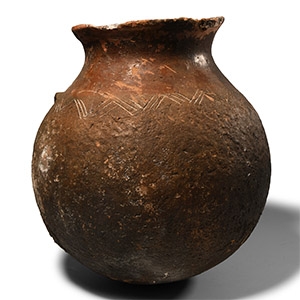
Large Cypriot Brown Ware Storage Jar
Early-Middle Bronze Age, circa 2700-1900 B.C.Sold for (Inc. bp): £221
Of globular profile with narrow neck and flared mouth, single lug and incised band of trilinear zigzags to the shoulder; small hole to one side. 3.8 kg, 33 cm
From a collection acquired on the UK art market from various auction houses and collections mostly before 2000. From an important Cambridgeshire estate; thence by descent. -
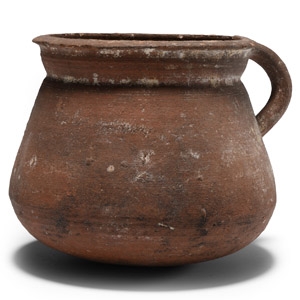
Greek Brown Ware Terracotta Cup
Circa 5th-3rd century B.C.Sold for (Inc. bp): £78
Squat in profile with rounded underside, broad mouth with carinated rim and single strap handle. 162 grams, 12 cm wide
From a collection acquired on the UK art market from various auction houses and collections mostly before 2000. From an important Cambridgeshire estate; thence by descent.
