
Loading, please wait...


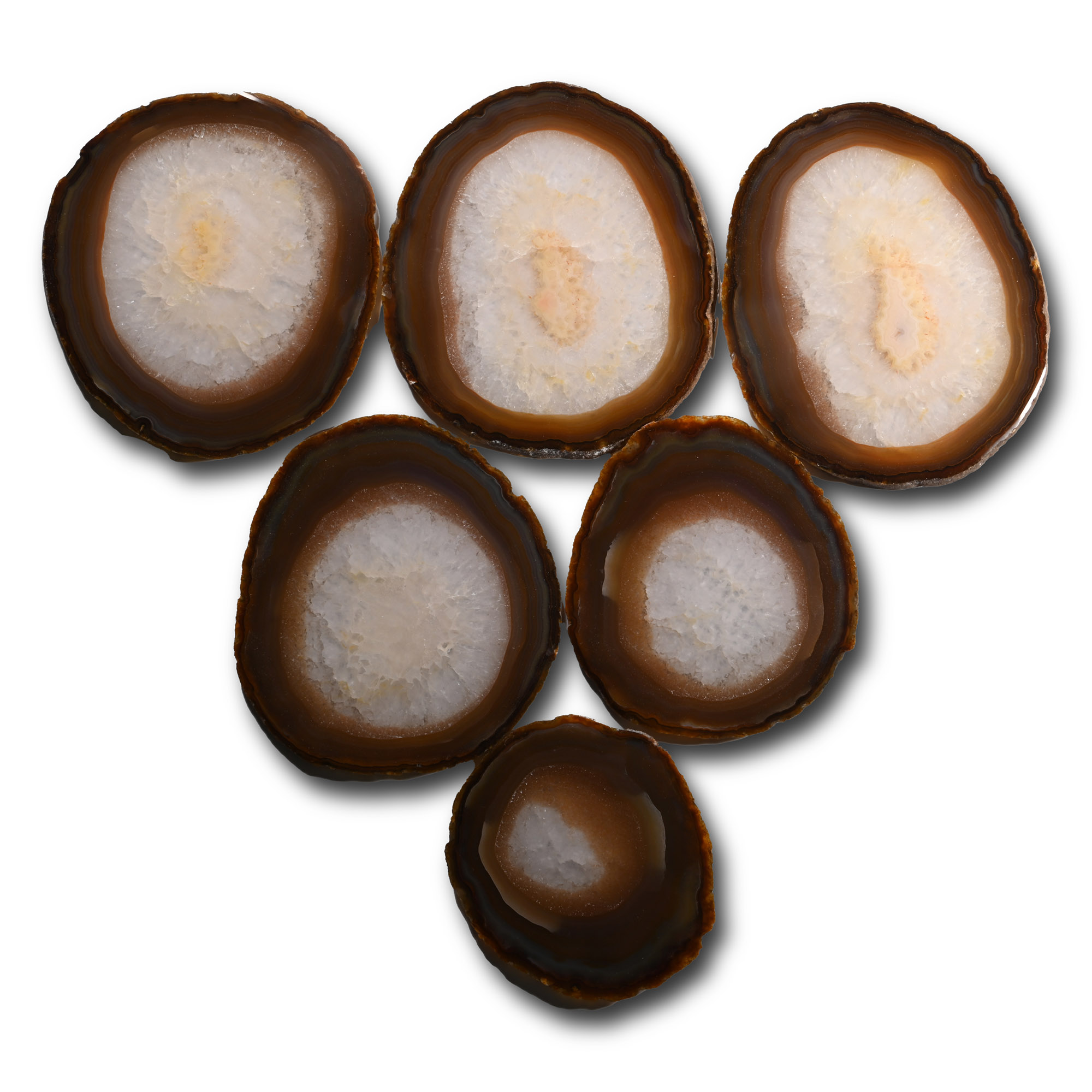
LOT 2395
Cut and Polished Felt Backed Agate Geode Coaster Set [6]
3 3/4 - 5 1/2 in. (816 grams total, 9.4-14 cm).
Comprising six graduated polished slices displaying brown and grey banding. [6, No Reserve]
ProvenanceFrom Brazil.
Ex Mineral Imports, London, UK.
Gregory, Bottley & Lloyd (Gregory's), Harwich, UK.
TimeLine Auctions follows a vetting process to ensure the authenticity and legality of all items, reinforcing our commitment to integrity and responsible trading. Each antiquity, antique, and coin lot undergoes thorough examination by a vetting committee of at least ten external specialists, professional trade association members, scientists, and archaeologists: Our Vetting Process
AUCTIONS:
TimeLine is a leading auction house specialising in antiquities, ancient art, collectables, natural history, coins, medals, and books. Our auctions offer museums, collectors, historians, and enthusiasts the opportunity to acquire unique and historically significant pieces.
LOT 2395
Cut and Polished Felt Backed Agate Geode Coaster Set [6]
Sold for (Inc. bp): £20
-
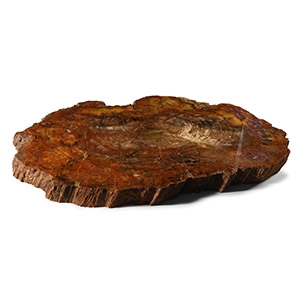
Huge Section of Fossilised 'Rainbow' Wood
235 million years B.P.Sold for (Inc. bp): £546
Petrified tree section of 40-46mm thickness with finely polished finish to upper and lower faces and set into resin; edges slightly chamfered. 26.2 kg, 68 cm
From the private collection of Mr J.G., UK, a company executive.
The petrified wood from Araucarioxylon arizonicum is often referred to as "rainbow wood" due to the variety of subtle, warm colours it exhibits, mainly in the red-orange range from hematite and limonite inclusions within the silica. -

Cut and Polished Agate Geode Section Group [10]
Sold for (Inc. bp): £13
Each displaying grey or brown banding in contrasting colours. 1.71 kg total, 66-72 mm
From Brazil. Ex Mineral Imports, London, UK. Gregory, Bottley & Lloyd (Gregory's), Harwich, UK. -
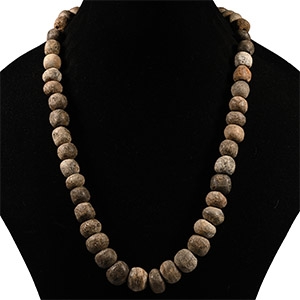
Woolly Mammoth Bone Bead Necklace String
Pleistocene Period, 2.6 million-11,700 years B.P.Sold for (Inc. bp): £104
Restrung using recently polished Mammuthus primigenius bone beads. 174 grams, 60 cm
Ex West country, UK, collection, 1990s onwards.
The mammoth lineage branched from the Asian elephant around 6 million years ago, and later on the Woolly Mammoth, Mammuthus primigenius, evolved in eastern Siberia. Woolly mammoths, being slightly smaller than living African elephants, were foragers and ate grass, as well as small, nutritious flowering plants that flourished in the environment where they lived. They may also have used their curved tusks to dig through snow and eat plants that other foragers were unable to reach.
