
Loading, please wait...
LOT 1423
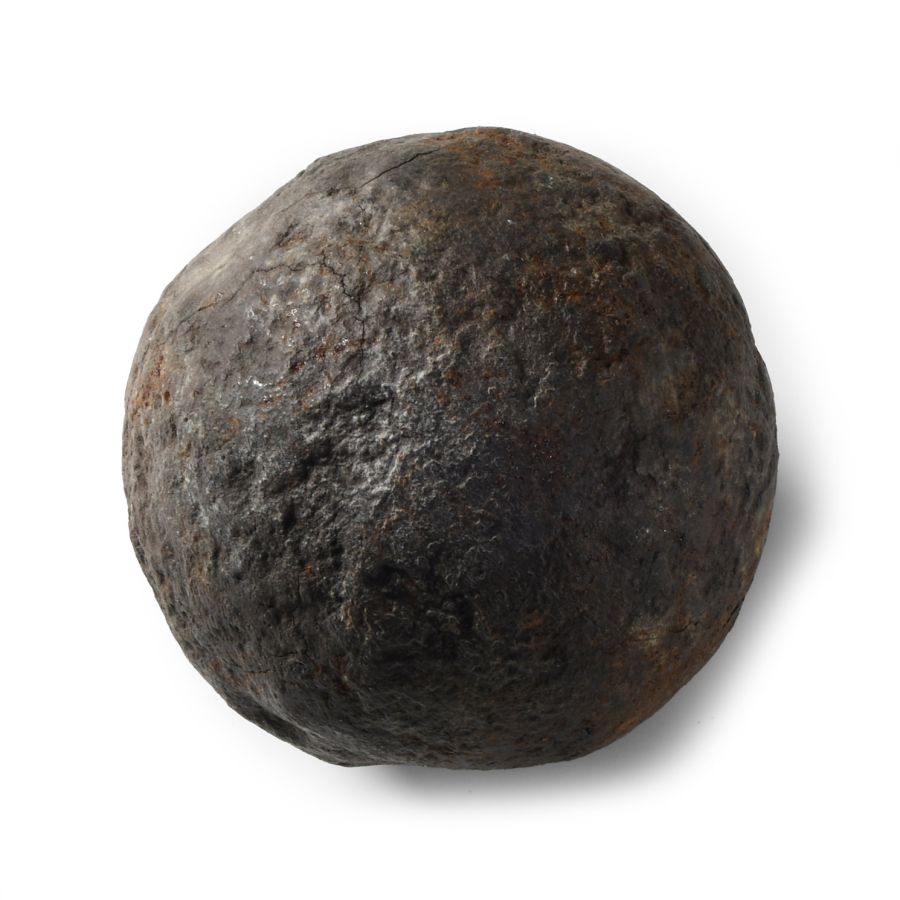
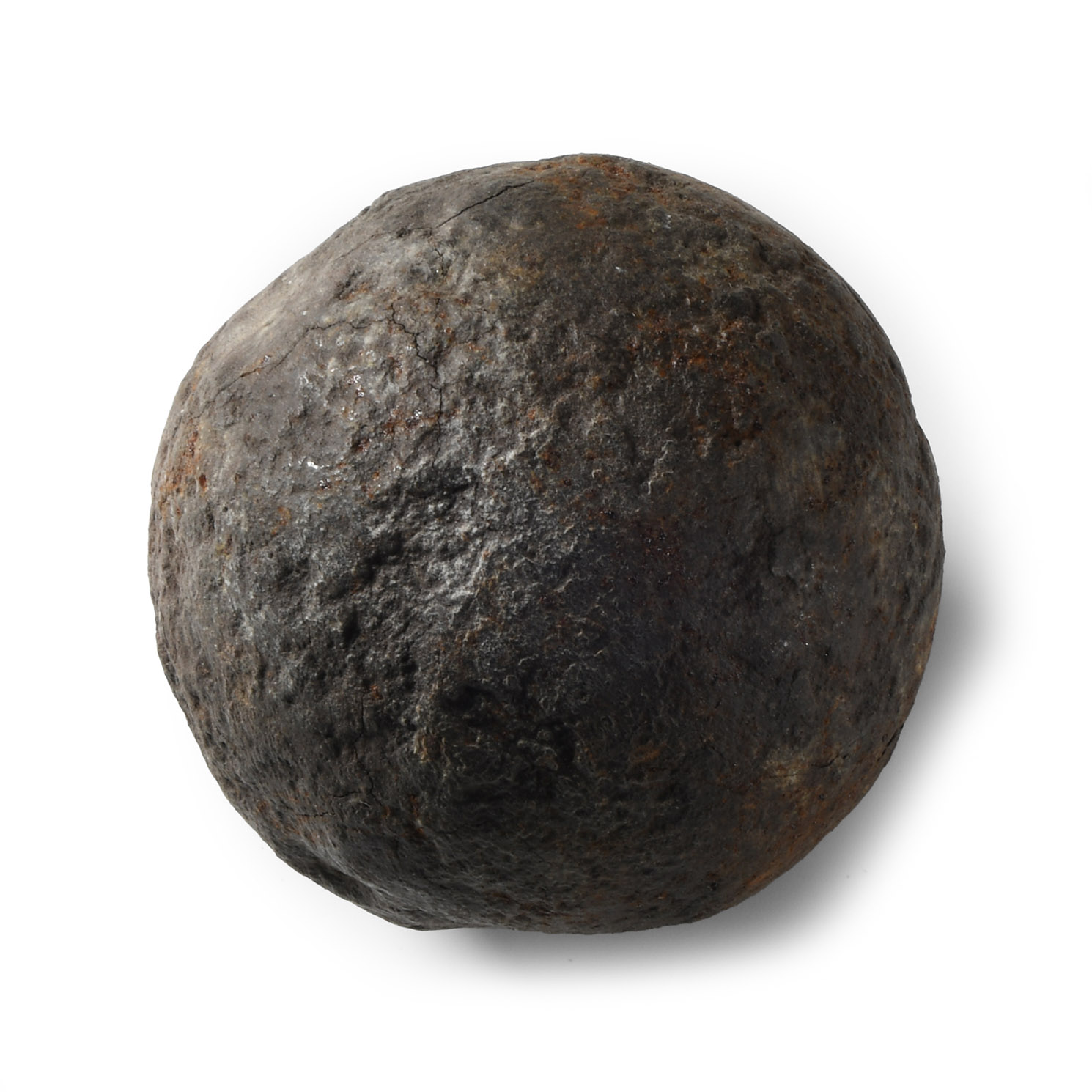
Civil War Iron Cannon Shot
CIRCA 17TH CENTURY A.D.
2 3/8 in. (730 grams, 61 mm).
Solid-core shot or cannon ball for a small artillery piece. [No Reserve]
ProvenanceFrom a collection acquired on the UK art market from various auction houses and collections mostly before 2000.
From an important Cambridgeshire estate; thence by descent.
TimeLine Auctions follows a vetting process to ensure the authenticity and legality of all items, reinforcing our commitment to integrity and responsible trading. Each antiquity, antique, and coin lot undergoes thorough examination by a vetting committee of at least ten external specialists, professional trade association members, scientists, and archaeologists: Our Vetting Process
AUCTIONS:
TimeLine is a leading auction house specialising in antiquities, ancient art, collectables, natural history, coins, medals, and books. Our auctions offer museums, collectors, historians, and enthusiasts the opportunity to acquire unique and historically significant pieces.
-
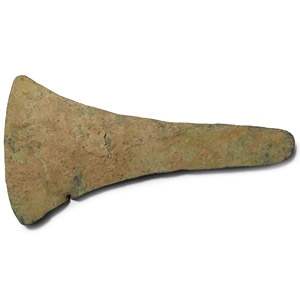
Western Asiatic Bronze Flat Axe
4th millennium B.C.Sold for (Inc. bp): £33
Formed with a rounded butt and slightly flared cutting edge; flat in cross-section. 138 grams, 18.5 cm
Acquired 1980-2015. Ex Abelita family collection.
This type of flat axes appeared in the last phase of the Late Chalcolithic Age. Flat axes without lugs were used as cutting tools or in war. In the later examples the sides of the blades was gradually widening towards the convex cutting edge. -
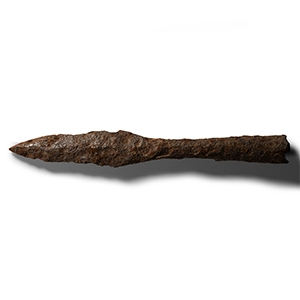
Anglo-Saxon Iron Socketed Spearhead
6th-8th century A.D.Sold for (Inc. bp): £33
With leaf-shaped blade and long split-socket socket, Swanton's Type D1. 67 grams, 18 cm
Found Wiltshire, UK, before 1974. -
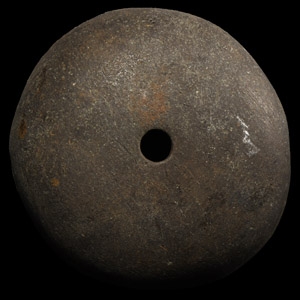
Large Romano-British Bronze Catapult Fitting
1st century A.D.Sold for (Inc. bp): £20
Substantial cast cupola with socket to the apex; possibly from a field artillery piece. 110 grams, 67 mm
Reputed to have been excavated near Viables in Hampshire at the end of the 19th century. From the estate of the late Jennifer Simmonds. Acquired from Jacobs & Hunt auctioneers, Petersfield, Hampshire, UK.
The circular umbo does not correspond to any known central shield boss, as it also lacks the lower edge; instead, it finds a good correspondence with the circular bosses that reinforced the lower and upper frame of a catapult, equipped with a central bronze cover.
