
Loading, please wait...
LOT 2059
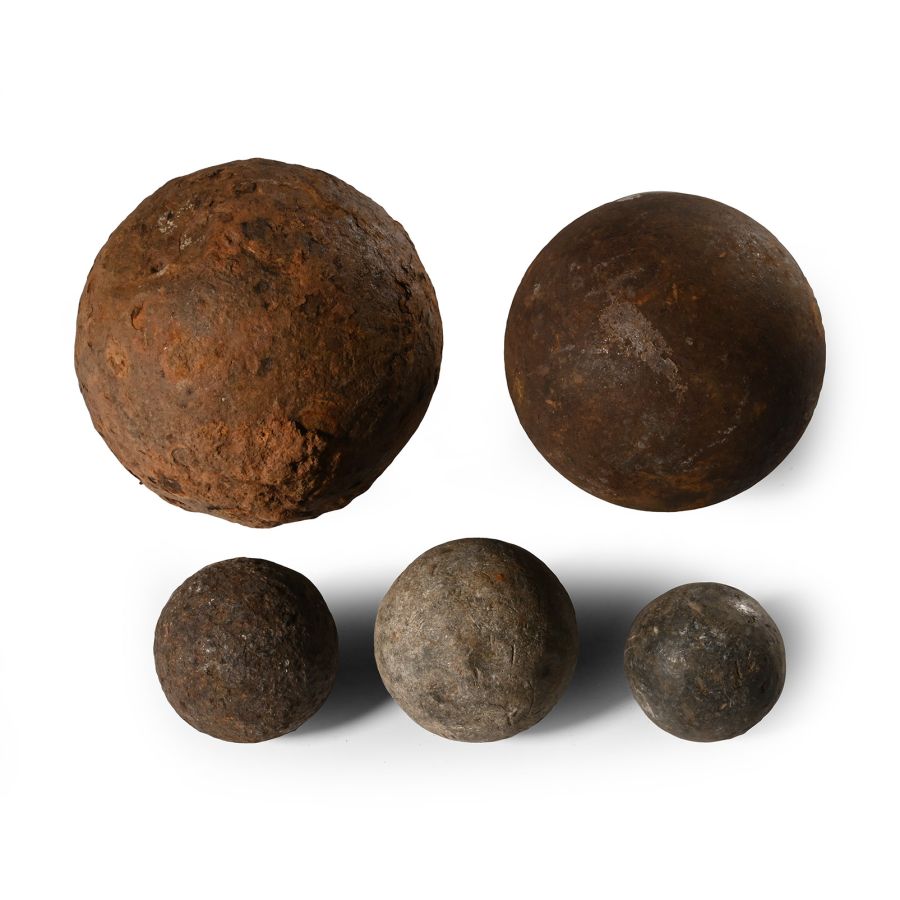
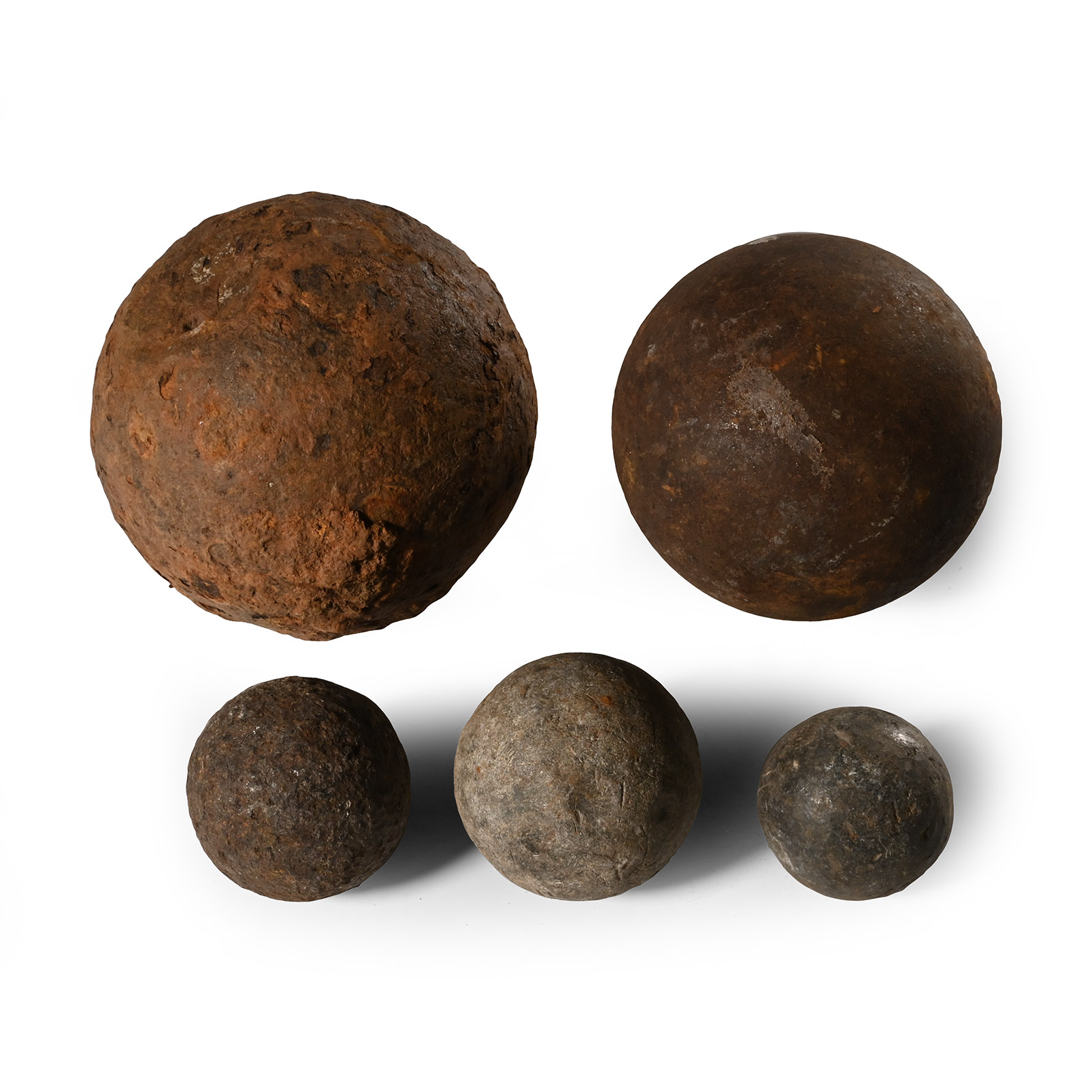
Civil War and Later Iron Cannon Ball and Shot Group
17TH-19TH CENTURY A.D.
1 1/4 - 3 in. (3.8 kg total, 32-78 mm).
Mixed group of iron and other musket and cannon balls. [5, No Reserve]
ProvenanceFrom the collection of the famous author, writer and speaker, Gordon Bailey, Essex, UK; formed since 1968.
CONDITIONTimeLine Auctions follows a vetting process to ensure the authenticity and legality of all items, reinforcing our commitment to integrity and responsible trading. Each antiquity, antique, and coin lot undergoes thorough examination by a vetting committee of at least ten external specialists, professional trade association members, scientists, and archaeologists: Our Vetting Process
AUCTIONS:
TimeLine is a leading auction house specialising in antiquities, ancient art, collectables, natural history, coins, medals, and books. Our auctions offer museums, collectors, historians, and enthusiasts the opportunity to acquire unique and historically significant pieces.
-

Tudor Period Bronze Ring with Hexagonal Bezel and Armorial Motif
Circa 16th century A.D.Sold for (Inc. bp): £39
Comprising a D-section hoop, facetted shoulders, integral octagonal bezel with pointillé border enclosing an incuse fleur-de-lys motif. 2.73 grams, 21.28 mm overall, 17.83 mm internal diameter (approximate size British P 1/2, USA 7 3/4, Europe 16.86, Japan 16)
Private collection formed since the 1940s. UK art market. Property of an Essex, UK, gentleman. -

Chinese Han Style Court Lady Statuette Group
20th century A.D.Sold for (Inc. bp): £52
Each modelled in a floor-length gown with bell sleeves; white-painted body and black hair, blusher to the cheeks. 395 grams total, 13-13.2 cm
From the family collection of a Maidervale lady, UK. -

Grand Tour Green Glazed Egyptian Shabti
19th-early 20th century A.D.Sold for (Inc. bp): £33
With black detailing to the tripartite wig, bands of hieroglyphic text to the lower body. 153 grams, 15.5 cm
Fine condition.
Property of a Devon, UK collector, acquired at auction; previously in a private UK collection.
Shabtis have been a popular tourist souvenir for centuries. Perhaps the earliest example is a reproduction shabti of the Renaissance period that was once part of the collection of Archbishop William Laud (1573-1645). While most reproduction shabtis originate from Egypt, some figurines were made in Europe. For instance, in the late 19th century, the Sèvres factory in France produced soft-paste porcelain shabtis with a beautiful bright turquoise glaze.
