
Loading, please wait...
LOT 2250
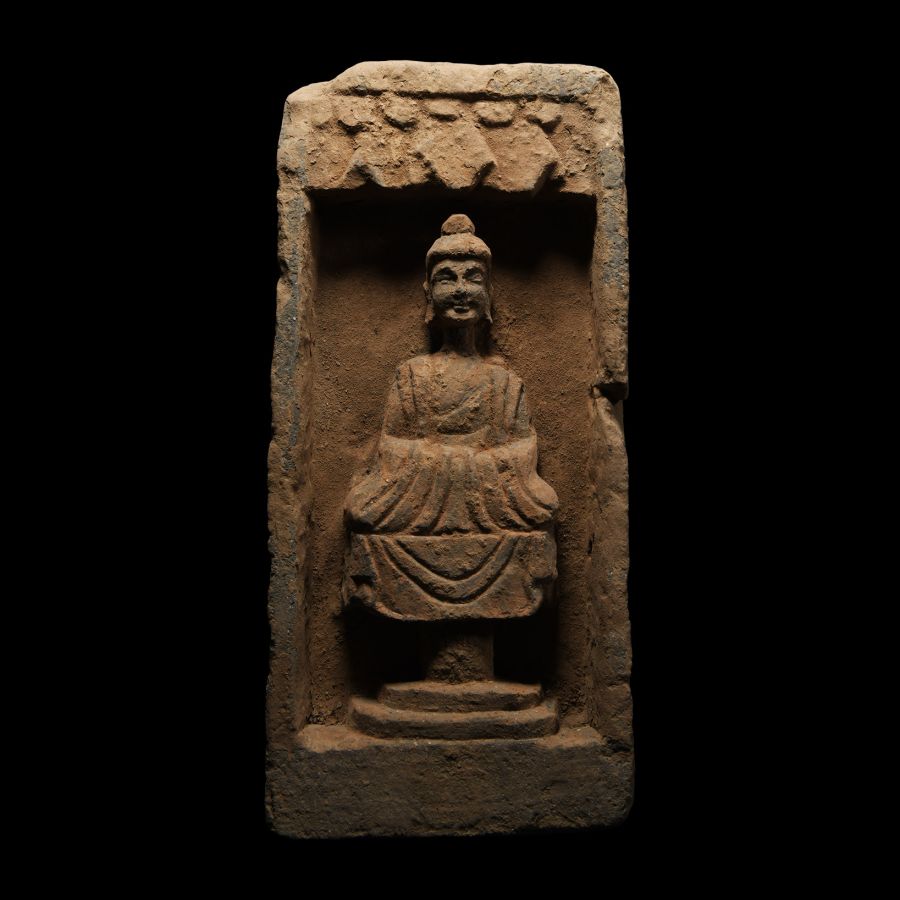
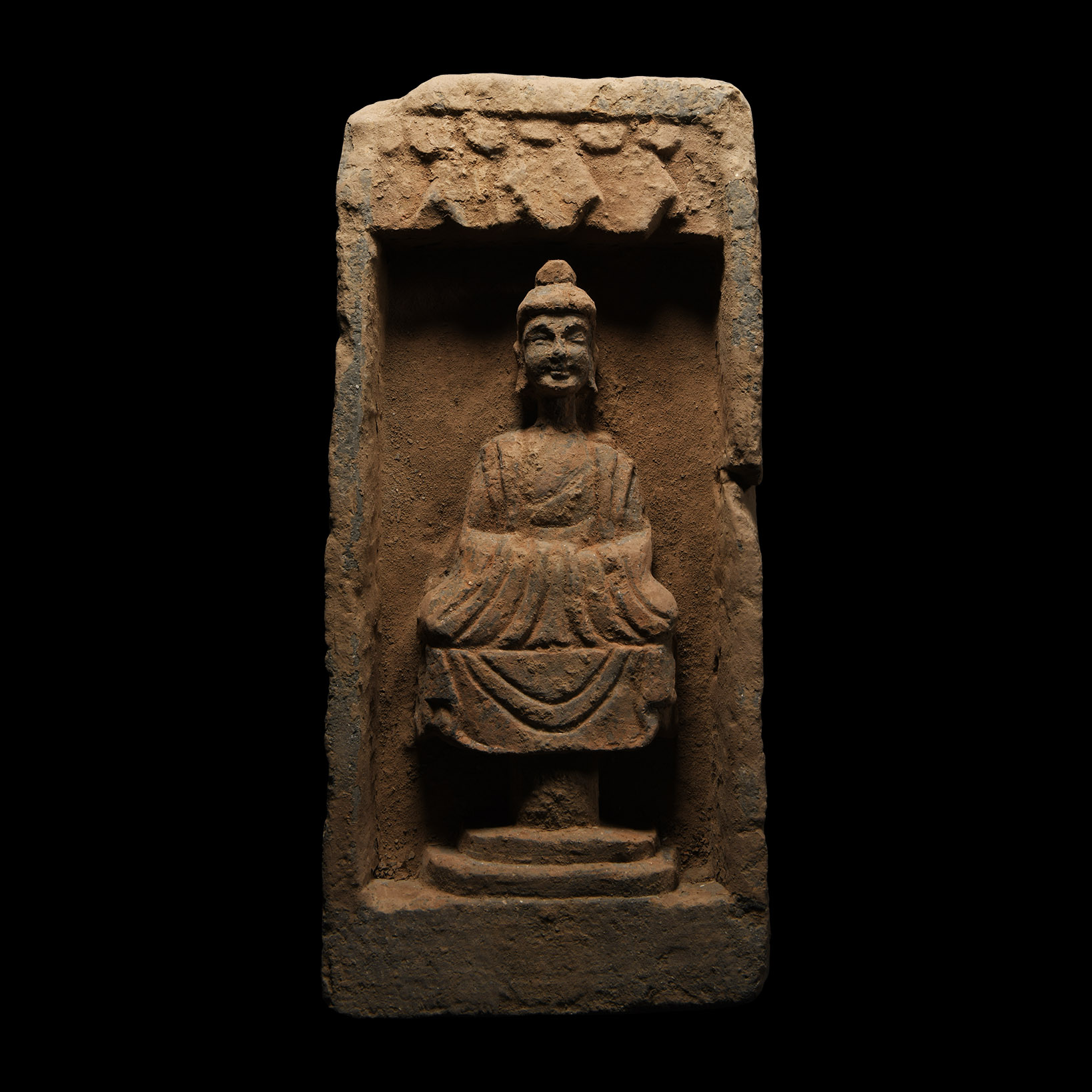
Chinese Wei Ceramic Buddha Brick
NORTHERN WEI DYNASTY, 386-534 A.D.
12 in. (2.9 kg, 30.5 cm).
Rectangular in form displaying a Buddha figure seated cross-legged on a dais within a rectangular niché, canopy above.
ProvenanceEx London, UK, collection, 1990.
CONDITIONTimeLine Auctions follows a vetting process to ensure the authenticity and legality of all items, reinforcing our commitment to integrity and responsible trading. Each antiquity, antique, and coin lot undergoes thorough examination by a vetting committee of at least ten external specialists, professional trade association members, scientists, and archaeologists: Our Vetting Process
AUCTIONS:
TimeLine is a leading auction house specialising in antiquities, ancient art, collectables, natural history, coins, medals, and books. Our auctions offer museums, collectors, historians, and enthusiasts the opportunity to acquire unique and historically significant pieces.
LOT 2250
Chinese Wei Ceramic Buddha Brick
Estimate £150 - 200€170 - 230 (for guidance only)$200 - 270 (for guidance only)
-
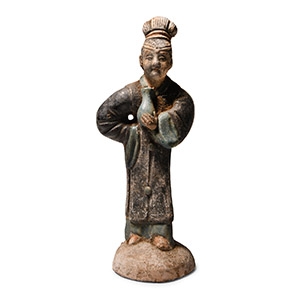
Chinese Qing Glazed Ceramic Female Attendant
Qing Dynasty, 1644-1911 A.D.Estimate: £100 - 140 (+bp*)
Opening Bid: £50
Modelled in the round standing on a domed base, wearing floor length robes with voluminous sleeves, hair dressed in an elaborate style, holding a vase in one hand at the breast; remains of polychrome pigmentation. 494 grams, 22.5 cm high
Ex Cotswold, UK, collection, 1970-1990. -
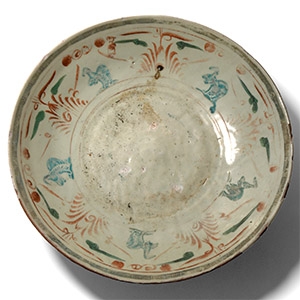
Chinese Glazed Ceramic Provincial Charger
Circa 17th century A.D.Sold for (Inc. bp): £85
Decorated with a polychrome vegetal border, circumferential band of vertical dashes above, shallow foot to base. 2.1 kg, 37 cm wide
Acquired 1990s-early 2000s. East Anglian private collection. -
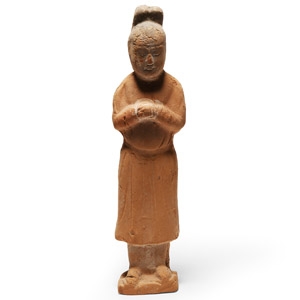
Chinese Tang Terracotta Figure
Tang Dynasty, 618-907 A.D.Estimate: £200 - 300 (+bp*)
Opening Bid: £100
Modelled in the round, standing on a rectangular base, hands held before the chest, hair dressed in an elaborate style; remains of polychrome pigmentation. 404 grams, 23.5 cm
Ex Desond Morris collection, pre 2000.
