
Loading, please wait...
LOT 2161
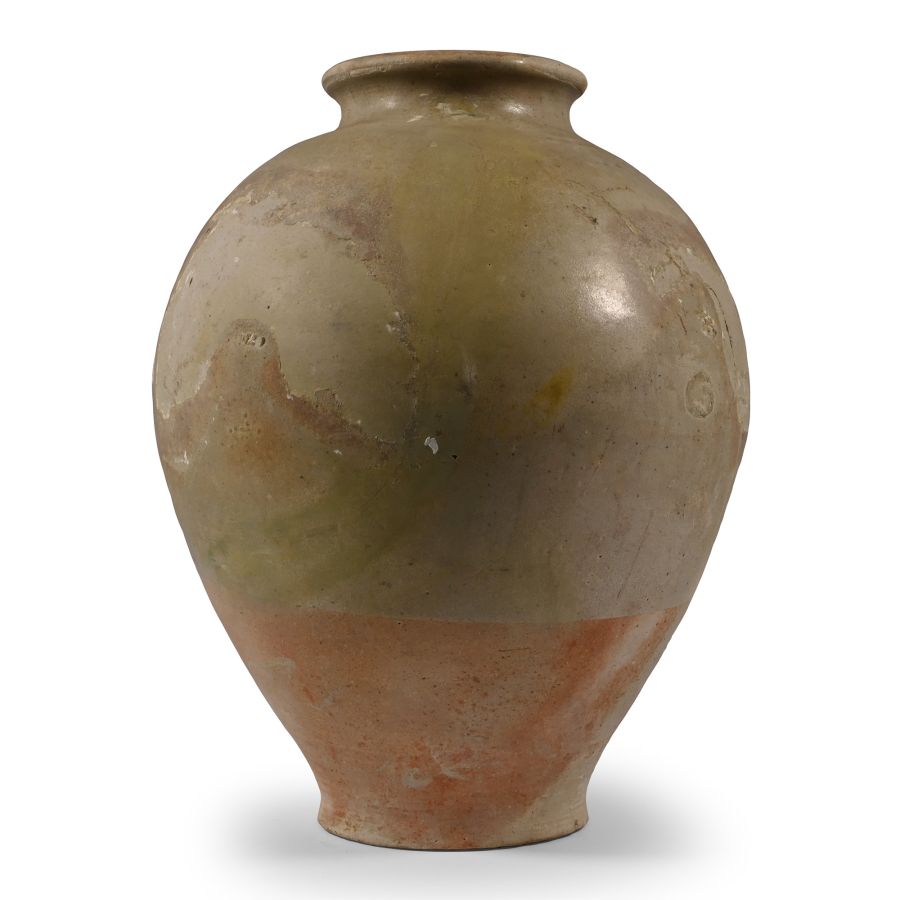
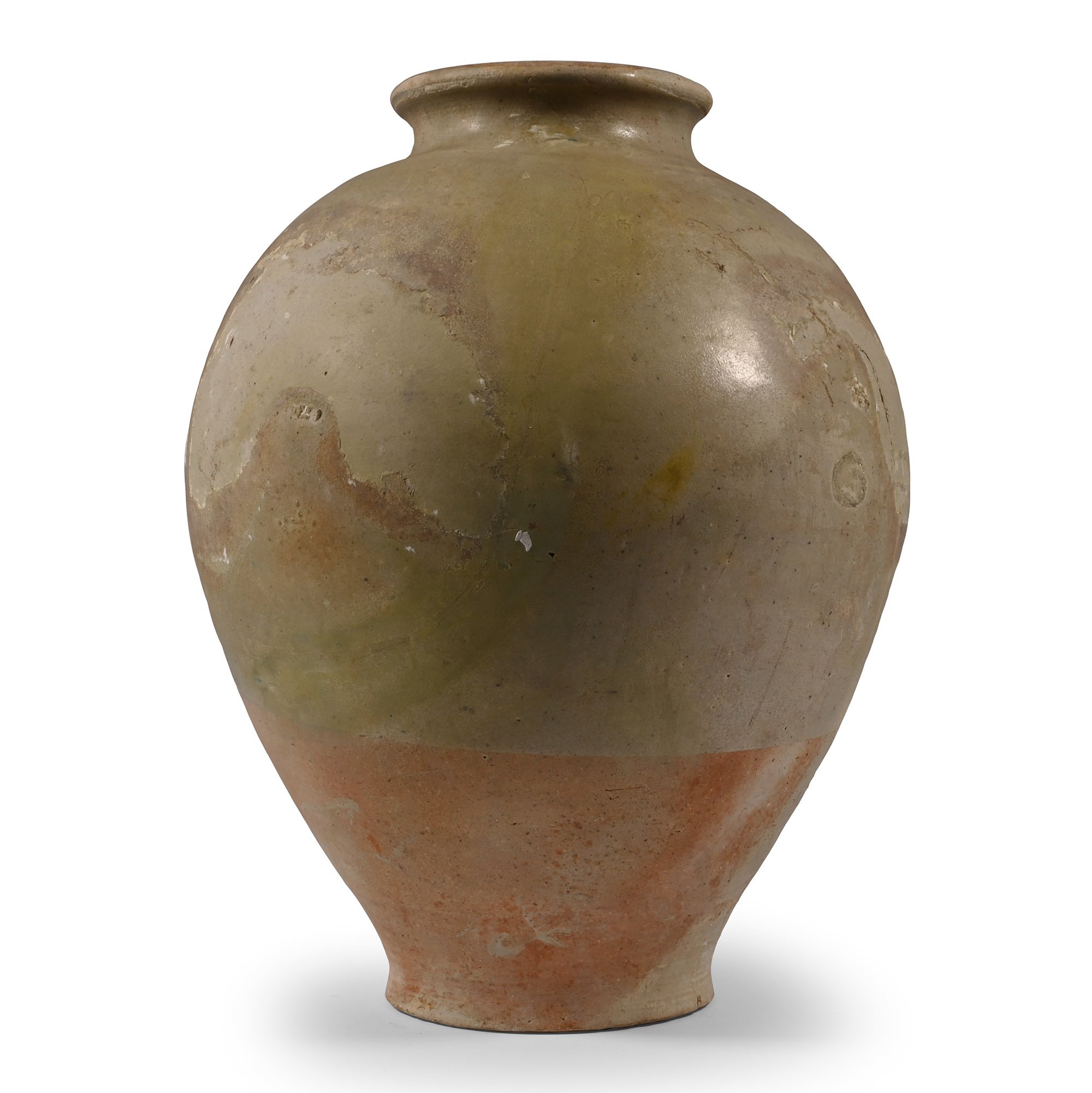
Chinese Tang White Ware Jar
TANG DYNASTY, 618-907 A.D. OR LATER
12 in. (2.97 kg, 30.5 cm).
Piriform in profile with broad mouth and rolled rim, cream glaze.
ProvenanceEx Hong Kong collection, 1990s.
This lot is accompanied by an illustrated lot declaration signed by the Head of the Antiquities Department, Dr Raffaele D'Amato.
TimeLine Auctions follows a vetting process to ensure the authenticity and legality of all items, reinforcing our commitment to integrity and responsible trading. Each antiquity, antique, and coin lot undergoes thorough examination by a vetting committee of at least ten external specialists, professional trade association members, scientists, and archaeologists: Our Vetting Process
AUCTIONS:
TimeLine is a leading auction house specialising in antiquities, ancient art, collectables, natural history, coins, medals, and books. Our auctions offer museums, collectors, historians, and enthusiasts the opportunity to acquire unique and historically significant pieces.
-
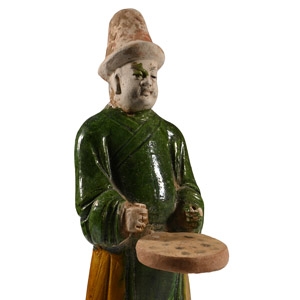
Chinese Ming Green-Glazed Musician with Drum
Ming Dynasty, 1368-1644 A.D. or laterSold for (Inc. bp): £46
Modelled standing on a tiered base; wearing a tall hat, a floor-length robe and boots; arms held in front of his body above a drum strapped to his waist; green and brown glaze. 494 grams, 24 cm
Ex H.N. collection, Milton Keynes, UK, 1990s. This lot is accompanied by an illustrated lot declaration signed by the Head of the Antiquities Department, Dr Raffaele D'Amato.
China provides some of the earliest traces of music making. These are mainly in the form of well-preserved musical instruments, the tangible evidence of music. Over several millennia, musical instruments from regional indigenous traditions as well as from India and Central and West Asia were assimilated into the mainstream of Chinese music. Some of the most ancient instruments have been retained, transformed, or revived throughout the ages and many are in common use even today, testifying to a living legacy of a durable art. This legacy is frequently celebrated in the visual arts of China, documenting rituals and celebrations, or as status symbols of those whose lives were enhanced by the resonate sounds of instruments. Ancient Chinese people believed they would go to an afterlife when they died. So they placed miniature versions of things for everyday use in tombs for the deceased, such as these musicians, hoping that the dead could enjoy the next life like when they were alive. These grave objects gradually developed into funerary artworks and reflected the social standing of the deceased. -

Chinese Painted Terracotta Storage Jar
Neolithic Period, 3rd millennium B.C.Sold for (Inc. bp): £520
Piriform bodied and painted with a figurative frog design; two loop handles to the equator. 4.5 kg, 37.5 cm
Ex Martin Schyoen collection, London, UK. This lot is accompanied by an illustrated lot declaration signed by the Head of the Antiquities Department, Dr Raffaele D'Amato. -

Sino-Tibetan Gilt Bronze Buddha
20th century A.D.Sold for (Inc. bp): £390
Hollow-formed and sitting cross-legged on a lotus-flower dais with left hand resting palm-upward in the lap to support a bumpa vessel, right hand touching the earth in the Bhumisparsa Mudra gesture. 1.18 kg, 21 cm
From a London, UK, collection, 1990s. This lot is accompanied by an illustrated lot declaration signed by the Head of the Antiquities Department, Dr Raffaele D’Amato. This lot is accompanied by an illustrated lot declaration signed by the Head of the Antiquities Department, Dr Raffaele D'Amato.
