
Loading, please wait...
LOT 2031
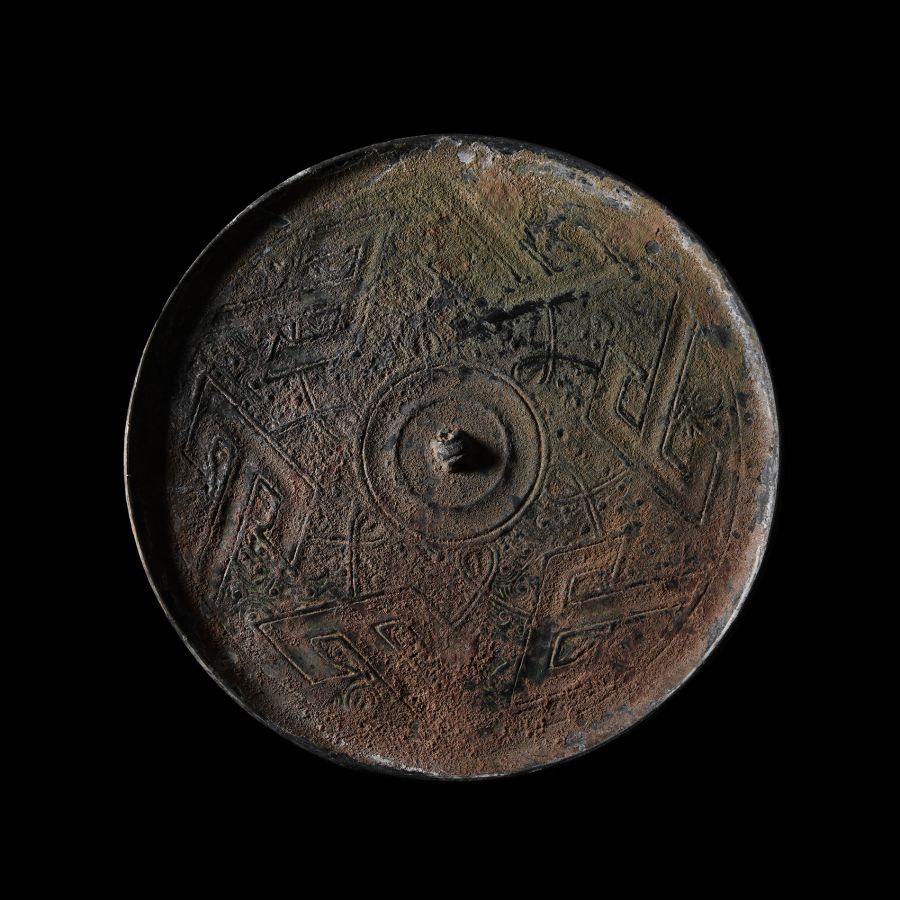
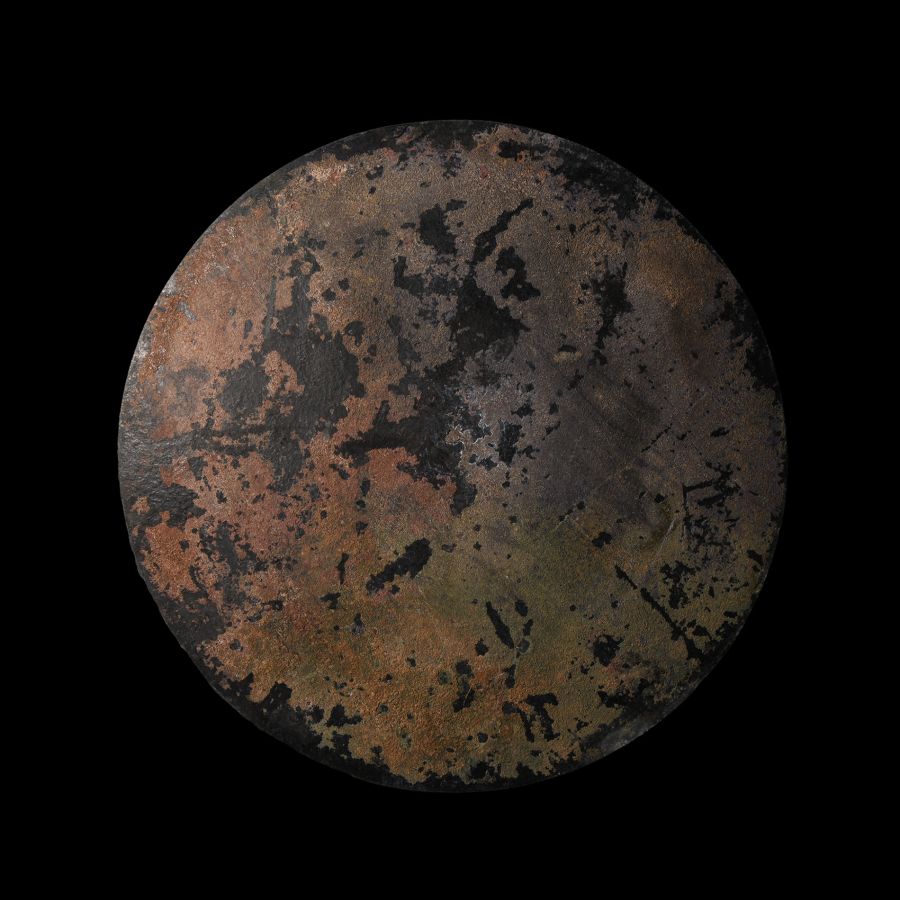
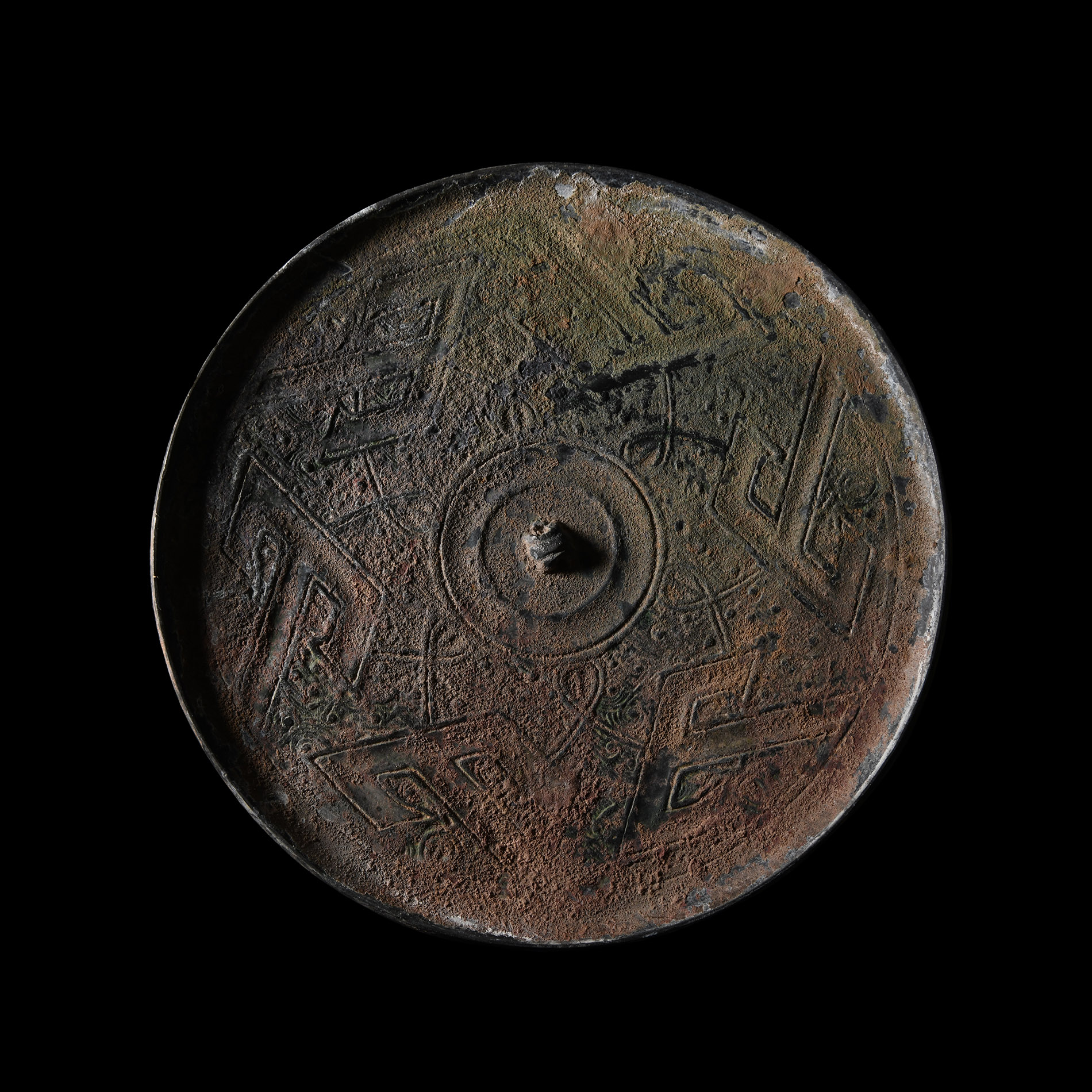
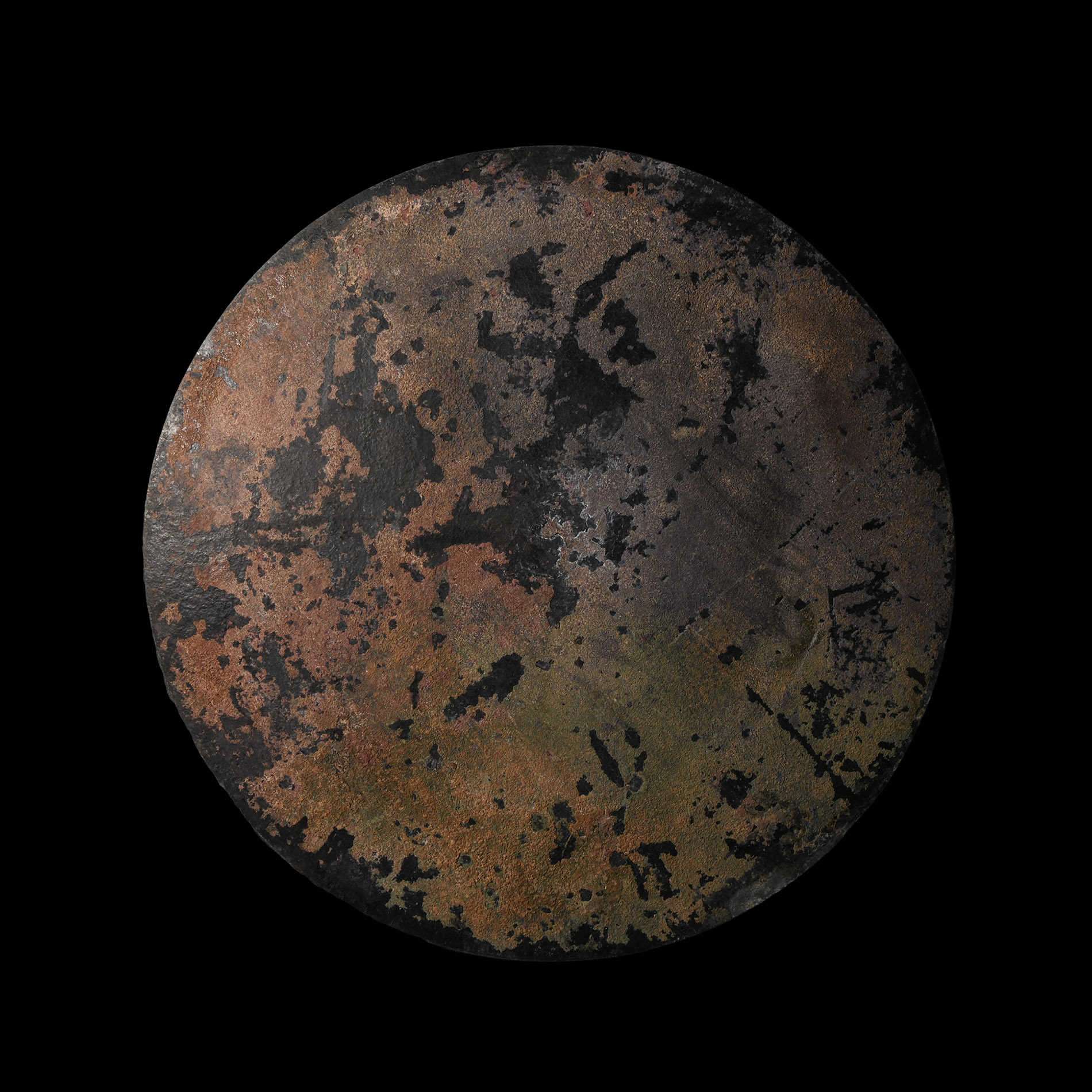
Chinese Tang Style Bronze Mirror
20TH CENTURY A.D. OR EARLIER
8 1/4 in. (747 grams, 21 cm wide).
Discoid mirror with dished profile, raised rim, reserved geometric 'ripple pattern' motif and central pierced lug. [No Reserve]
ProvenanceEx Cotswolds, UK, collection, 1990s.
CONDITIONTimeLine Auctions follows a vetting process to ensure the authenticity and legality of all items, reinforcing our commitment to integrity and responsible trading. Each antiquity, antique, and coin lot undergoes thorough examination by a vetting committee of at least ten external specialists, professional trade association members, scientists, and archaeologists: Our Vetting Process
AUCTIONS:
TimeLine is a leading auction house specialising in antiquities, ancient art, collectables, natural history, coins, medals, and books. Our auctions offer museums, collectors, historians, and enthusiasts the opportunity to acquire unique and historically significant pieces.
-
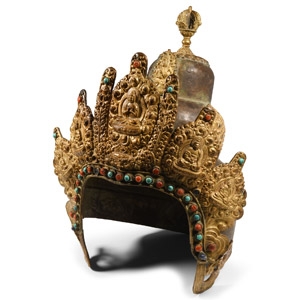
Sino-Tibetan Gilt Bronze Headdress
20th century A.D.Sold for (Inc. bp): £1,170
Formed as a tiered cap with applied gilt plaques and vajra (thunderbolt sceptre) crest; applied repoussé frame to the open face with Buddha-figures and inset cabochon studs. 870 grams, 34 cm high
Ex North West London, UK, collection, 1990-2000. -
.jpg)
Sino-Tibetan Gilt Arya Tara Figure
19th-early 20th century A.D.Sold for (Inc. bp): £1,300
Hollow-formed, sitting cross-legged flanked by uptala flowers, hands held in the mudra of instruction; black pigment to the hair and inset ruby-coloured gemstones to the headdress. 1.29 kg, 22 cm high
Acquired 1980-2015. Ex Abelita family collection. -
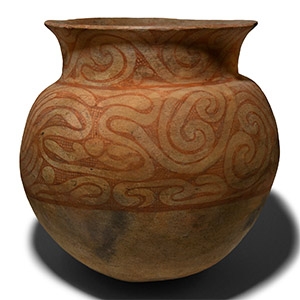
Very Large Ban Chiang Period Painted Storage Jar
Middle Period, 900-300 B.C.Sold for (Inc. bp): £260
Large bulbus body with narrow shoulder, broad neck and everted mouth; two bands of painted ornament, intersecting scrolled tendril motifs reserved against a hatched field; some restoration. 7.7 kg, 43.5 cm
From a collection acquired on the UK art market from various auction houses and collections mostly before 2000. From an important Cambridgeshire estate; thence by descent.
