
Loading, please wait...
LOT 2008
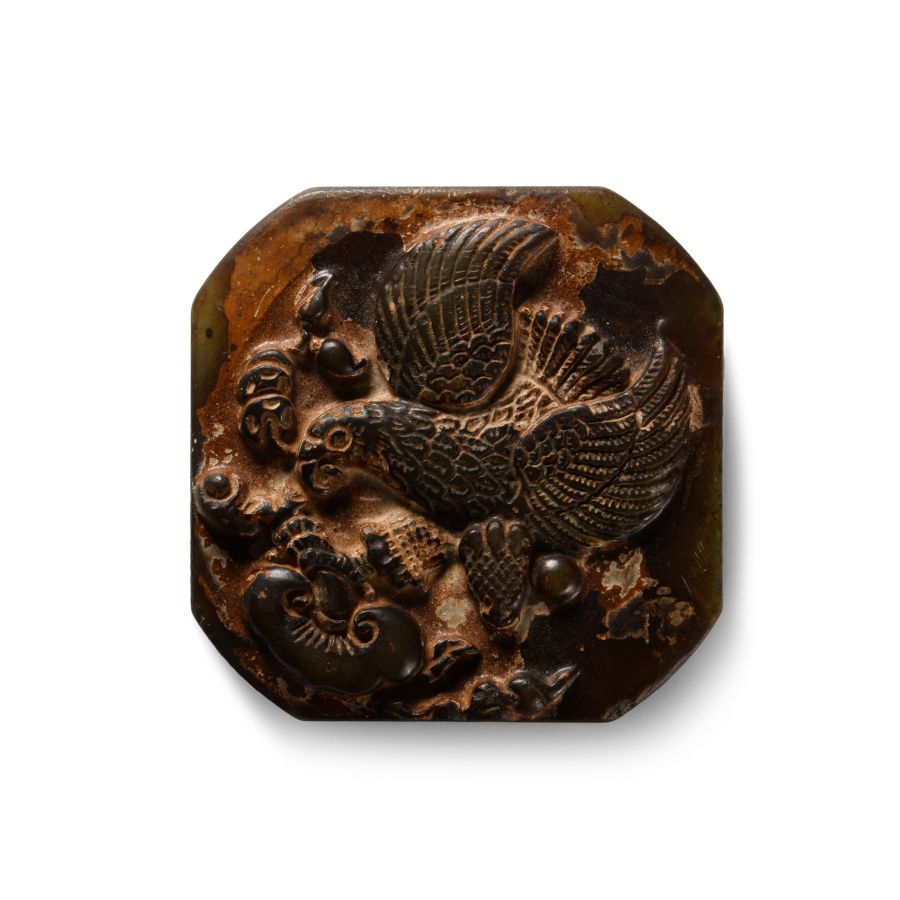
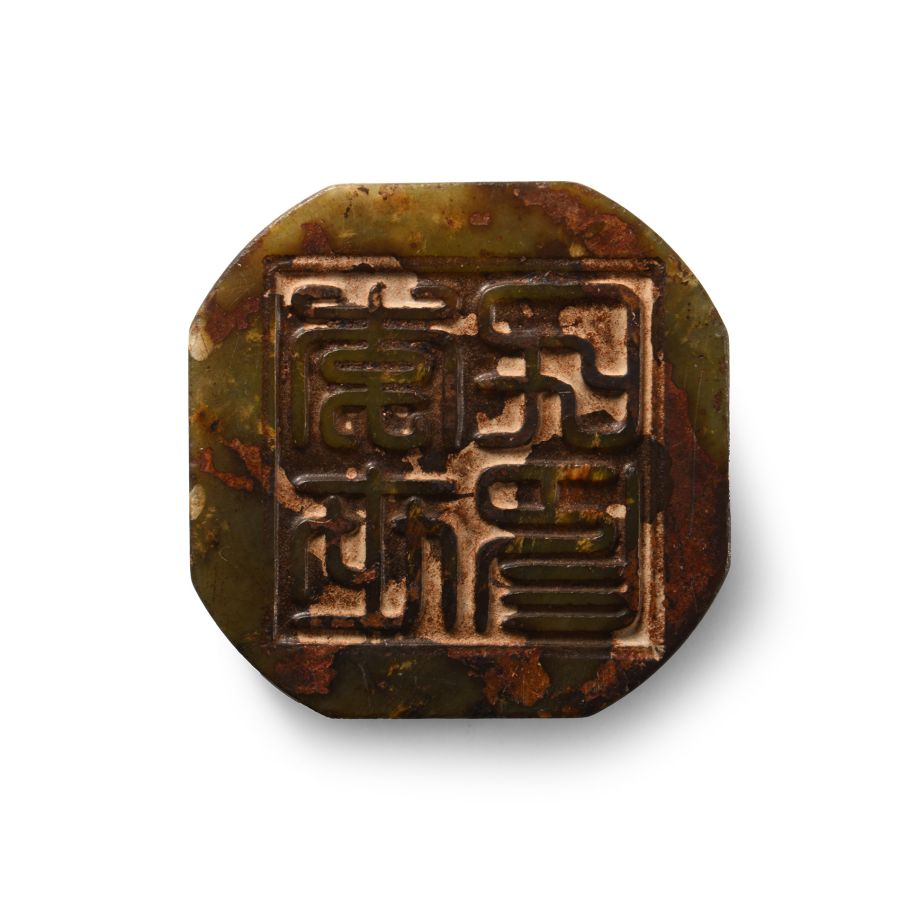
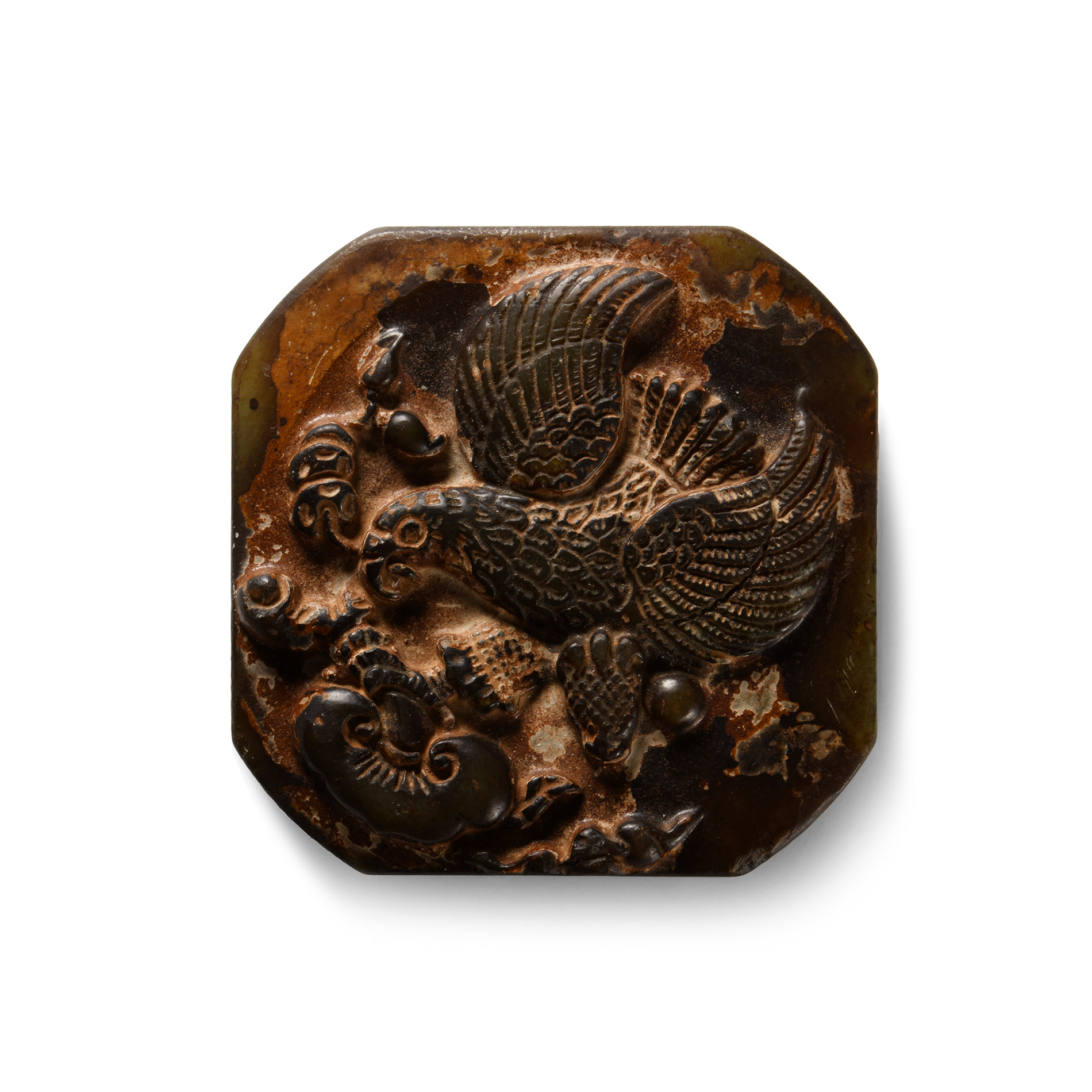
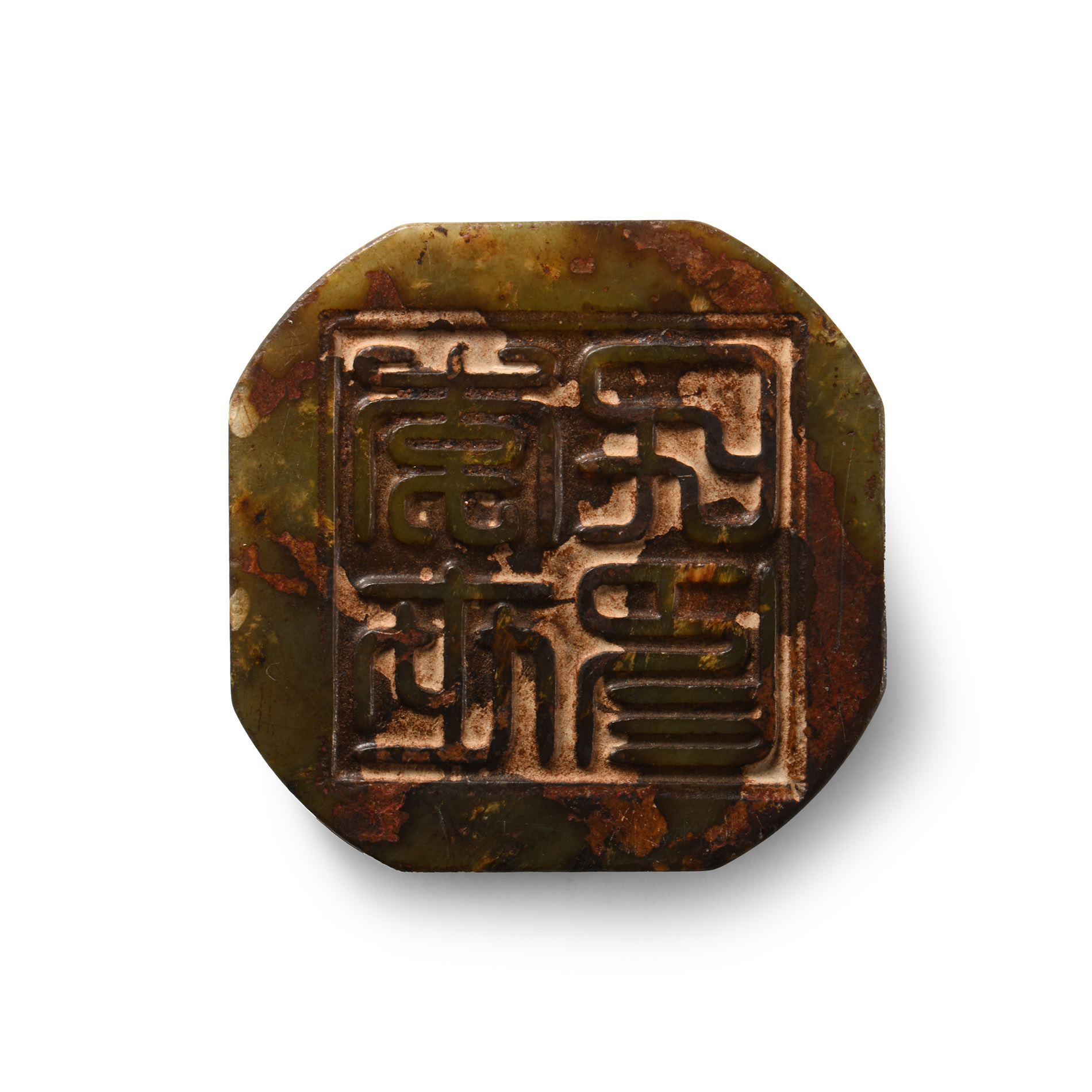
Chinese Tang Agate Seal for Emperor Taizong
TANG DYNASTY, 618-906 A.D. OR LATER
2 in. (123 grams, 50 mm).
Octagonal in plan with high-relief eagle in flight holding lingzhi fungi in the beak; to the underside, the four-character seal of Emperor Taizong bearing his personal name 'Li Shimin'. [No Reserve]
ProvenanceProperty of a Middlesex lady.
From the private collection of a Lancashire gentleman.
Taizong was the second Emperor of the Tang Dynasty, ruling from 626 to 649 AD. His reign was characterised by reform and the adoption of logical rather than superstitious reasoning. Dr Bonewitz notes: 'The seal is partially encrusted with very hard caliche (or calcrete) which takes a long period to develop, possibly over many centuries.'
CONDITIONTimeLine Auctions follows a vetting process to ensure the authenticity and legality of all items, reinforcing our commitment to integrity and responsible trading. Each antiquity, antique, and coin lot undergoes thorough examination by a vetting committee of at least ten external specialists, professional trade association members, scientists, and archaeologists: Our Vetting Process
AUCTIONS:
TimeLine is a leading auction house specialising in antiquities, ancient art, collectables, natural history, coins, medals, and books. Our auctions offer museums, collectors, historians, and enthusiasts the opportunity to acquire unique and historically significant pieces.
-
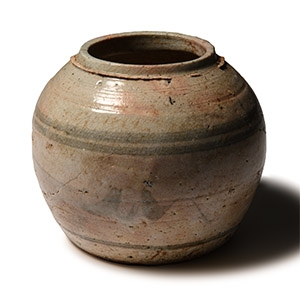
Chinese Ming Glazed Pot
Ming Dynasty, 1368-1644 A.D.Sold for (Inc. bp): £26
A drum-shaped glazed whiteware pot with bands of green detailing to the shoulder; repaired. 308 grams, 10.5 cm wide
UK gallery, early 2000s. -
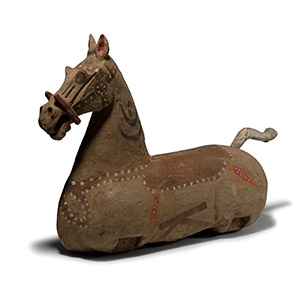
Large Chinese Han Terracotta Horse Torso
Han Dynasty, 206 B.C.-220 A.D.Sold for (Inc. bp): £1,430
Modelled with head erect and ears pricked, painted harness and bride detailing; socket for the separate tail. 9.95 kg total, 40 cm high
From a West Country, UK, collection, formed in the 1990s. Accompanied by a thermoluminescence analysis report no.C124a4 from Oxford Authentication. -
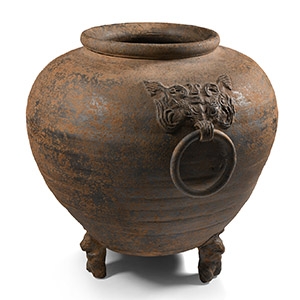
Chinese Han Ceramic Tripod Vessel
Han Dynasty, 206 B.C.-220 A.D.Sold for (Inc. bp): £468
Piriform bodied with two opposed Tao Tie, each holding a free-running ring in its mouth, further decorated with a shallow incised dragon to one face and a figure holding a cup on the other, together with an inscription in Chinese; tripod feet formed as squatting animals; restoration to the rings and feet. 3.8 kg, 35.5 cm high
with Galerie Golconda May 2006. Ex private collection, London, UK. Accompanied by a thermoluminescence report no.11270306 from Laboratory Ralf Kotalla dated 5 May 2006.
Dragons in ancient Chinese art could be religious symbols, representatives of clans and creatures linking man to the spirit world. The Tao Tie often evoked mystery and beauty.
