
Loading, please wait...
LOT 2049
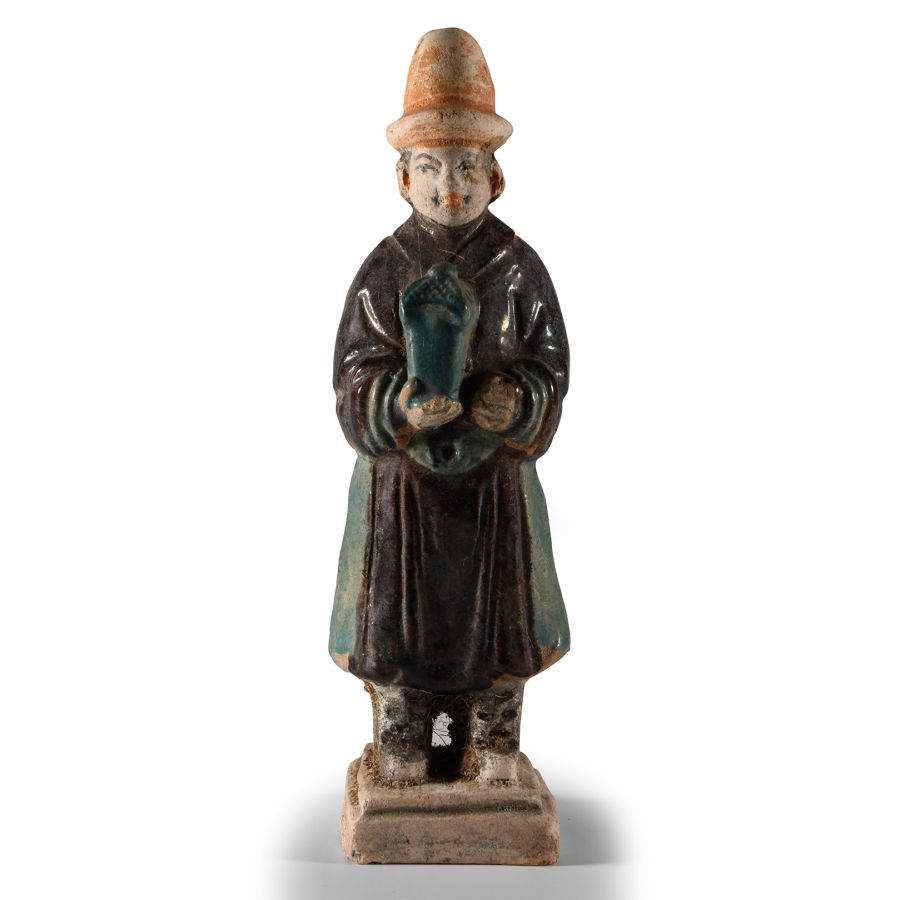
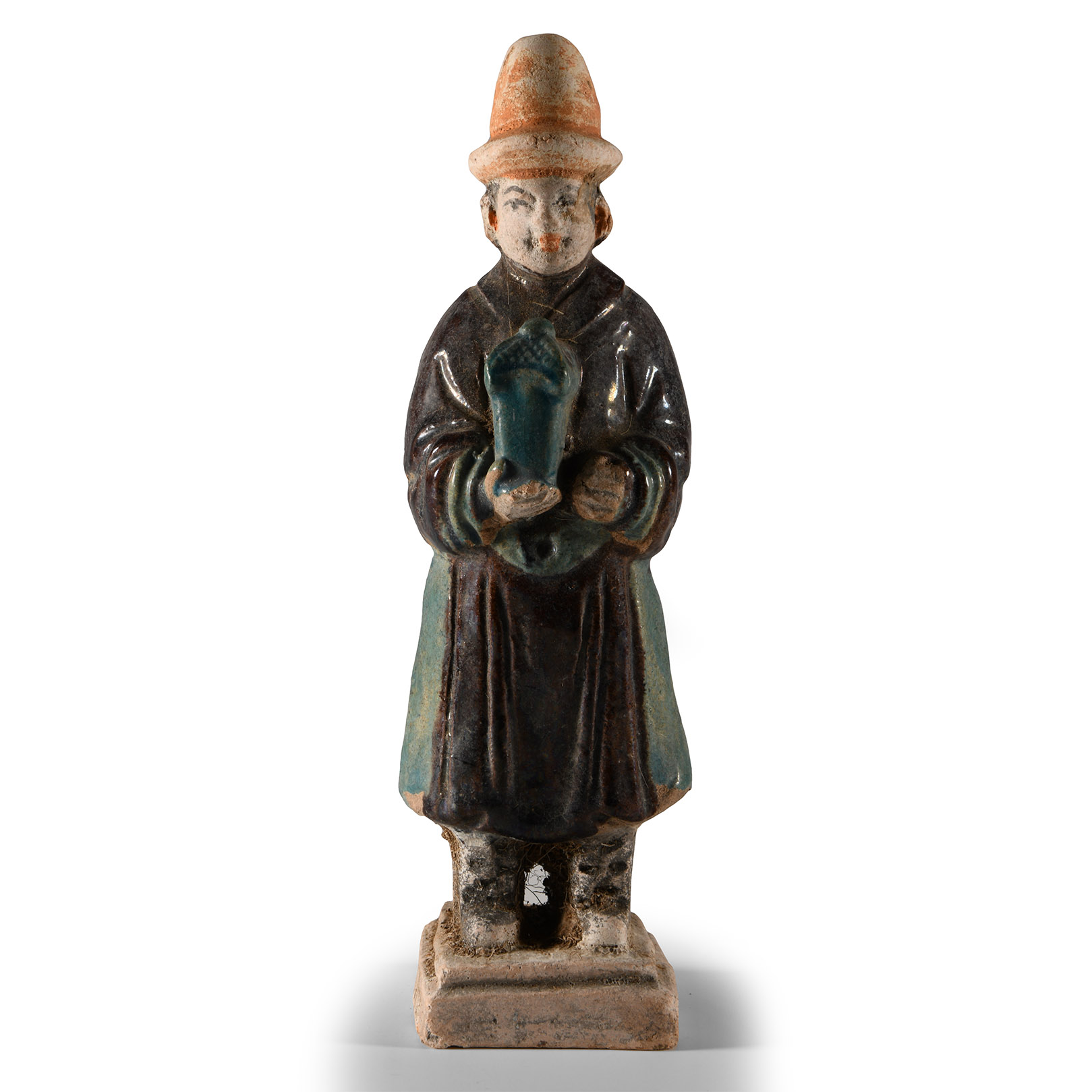
Chinese Ming Glazed Terracotta Tomb Attendant
MING DYNASTY, 1368-1644 A.D. OR LATER
6 5/8 in. (298 grams, 17 cm).
Modelled standing with the hands to the chest holding a casket; on a tiered base. [No Reserve]
ProvenanceNorth Yorkshire, UK, collection, 1990s.
CONDITIONTimeLine Auctions follows a vetting process to ensure the authenticity and legality of all items, reinforcing our commitment to integrity and responsible trading. Each antiquity, antique, and coin lot undergoes thorough examination by a vetting committee of at least ten external specialists, professional trade association members, scientists, and archaeologists: Our Vetting Process
AUCTIONS:
TimeLine is a leading auction house specialising in antiquities, ancient art, collectables, natural history, coins, medals, and books. Our auctions offer museums, collectors, historians, and enthusiasts the opportunity to acquire unique and historically significant pieces.
-
.jpg)
Large Chinese Han Terracotta Hui
Han Dynasty, 206 B.C.-220 A.D. or laterEstimate: £500 - 700 (+bp*)
Opening Bid: £250
Sturdy globular body with thick foot, broad shoulder and wide neck with carinated rim; frieze of painted ornament to the shoulder, incised horizontal bands. 3.3 kg, 29.5 cm high
Ex Ma Gallery, Bath, UK. From the collection of the late Michael O’Hara. -
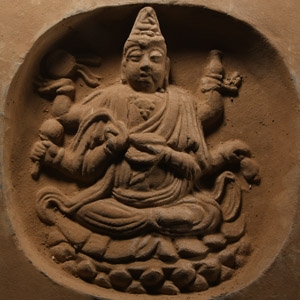
Chinese Song Terracotta Tile
Song Dynasty, circa 960-1279 A.D.Sold for (Inc. bp): £117
Rectangular tile with round recess, reserved high-relief carving of the Bodhisattva Avalokiteshvara, facing with four arms raised holding attribuites. 4.86 kg, 28.5 x 28.5 cm
Ex Cotswold collection, UK, 1990s. -
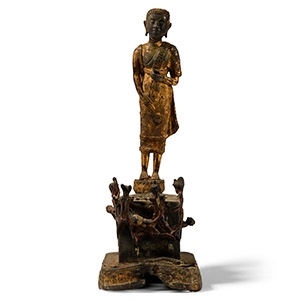
Thai Gilt Bronze Deity with Ghouls
19th-20th century A.D.Sold for (Inc. bp): £111
Tiered rectangular base with figures climbing across the surface; central figure of Buddha in paridhana garment standing on a drum-shaped dais with skeletal figures. 1.6 kg, 28.1 cm
From a collection acquired on the UK art market from various auction houses and collections mostly before 2000. From an important Cambridgeshire estate; thence by descent.
